Choosing the right Three Phase Induction Motor for your specific application can be a daunting task. In industrial settings, these motors are essential for driving machinery, with the global market expected to reach $30 billion by 2027, according to market research reports. Understanding the technical specifications and operational needs is crucial for maximizing efficiency and reducing costs.
Three Phase Induction Motors offer a variety of options, each suited for different functions. Poor selection can lead to inefficiencies or even operational failures. An estimated 25% of energy losses in industrial applications stem from improperly matched motor sizes. This highlights the importance of considering load requirements, speed, and torque.
Moreover, the evolving landscape of technology demands that industries keep pace with innovations in motor efficiency and reliability. Factors like high starting torque and low maintenance needs add to motor appeal. However, the choice often reflects a balance between performance and cost. Reflecting on these details ensures a more informed decision that can yield significant long-term benefits.
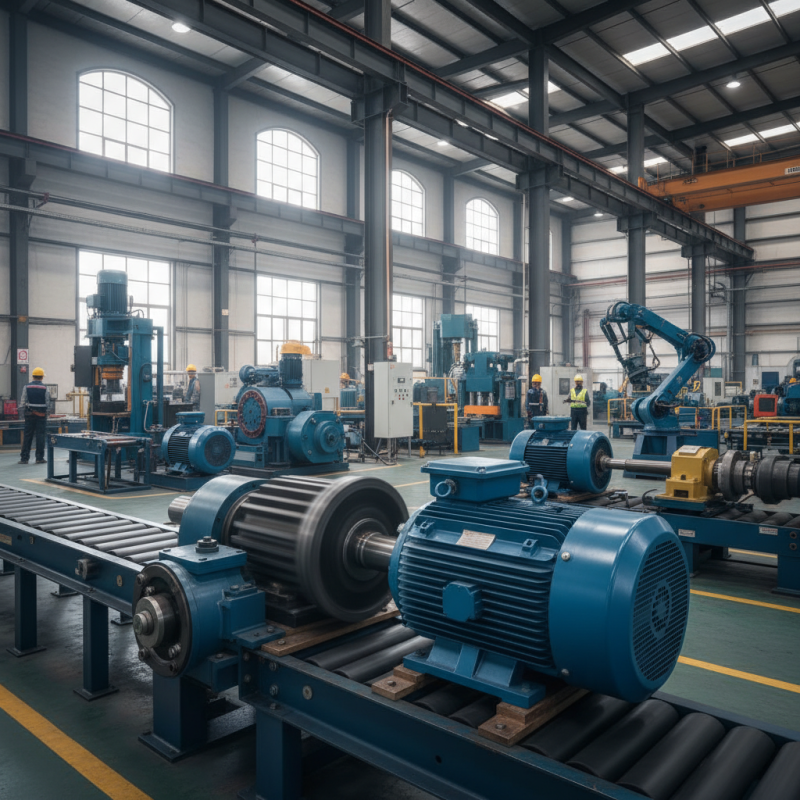
Understanding the Basics of Three Phase Induction Motors
Understanding three phase induction motors is crucial for choosing the right one. These motors are widely used in industrial applications due to their efficiency and reliability. According to recent industry reports, three phase motors account for about 70% of all electric motors. Their design enables them to deliver high starting torque and operate in varying load conditions.
When selecting a three phase induction motor, consider its specifications. Key factors include power rating, speed, and efficiency. A motor’s efficiency can affect operational costs significantly. For instance, an efficient motor can save up to 25% in energy costs over its lifetime. In contrast, an improperly sized motor can lead to performance issues, overheating, and increased wear.
It's essential to reflect on your specific needs. Different applications demand different features. For instance, variable speed requirements may necessitate a motor with adjustable frequency drives. Ensuring compatibility with the existing power supply is also critical. Analyze both performance capabilities and electrical characteristics before making a selection. Each choice impacts overall system performance. Understanding these basics is the first step to making an informed decision.
Identifying Your Specific Performance Requirements
When selecting a three-phase induction motor, understanding specific performance requirements is crucial. Different applications demand various torque characteristics, speeds, and durability. For instance, in heavy industrial settings, a motor must deliver high starting torque. Data from the International Electrotechnical Commission suggests that motors with high efficiency ratings can reduce operational costs by up to 30%. This is vital for companies aiming to optimize their productivity.
Additionally, consider the operating environment. Factors like temperature, humidity, and potential exposure to corrosive substances should inform your choice. Motors designed for harsh conditions may have special coatings or insulation. Research indicates that around 25% of motor failures can be attributed to environmental factors. Failing to account for this can lead to unexpected downtimes.
Finally, the balance between power factor and efficiency is essential. A motor with a low power factor can lead to increased energy costs. The U.S. Department of Energy reports that improving power factor by just 0.1 can lead to energy savings of up to 10%. This will make a significant difference over time. Recognizing these nuanced requirements will help ensure your motor aligns with operational goals.
Evaluating Power and Efficiency Ratings
When choosing a three-phase induction motor, evaluating power and efficiency ratings is crucial. Power ratings determine the motor's ability to perform specific tasks. Generally, motors are rated in kilowatts (kW). For example, a motor rated at 15 kW is suitable for medium to heavy applications. It is essential to match the motor's power rating with the load requirements of your application.
Efficiency ratings show how well the motor converts electrical energy into mechanical energy. The International Electrotechnical Commission (IEC) classifies motor efficiency in several levels, from IE1 to IE5. Motors classified as IE3 and above are considered high-efficiency motors. These can reduce energy consumption by 5-10% compared to standard motors. Assessing the total cost of ownership, including energy savings, can drastically impact long-term operational costs.
A common mistake is overestimating the required power rating. This can lead to wasted energy and higher operational costs. On the other hand, underestimating can cause performance issues or equipment failure. It is imperative to conduct a proper load analysis. This involves considering not just the maximum load but also the operational profile. A three-phase induction motor, when chosen correctly, enhances productivity while minimizing energy costs.
How to Choose the Right Three Phase Induction Motor for Your Needs? - Evaluating Power and Efficiency Ratings
| Motor Type |
Power (kW) |
Efficiency Rating (%) |
Rated Voltage (V) |
Frequency (Hz) |
| Standard Motor |
7.5 |
85 |
400 |
50 |
| High Efficiency Motor |
15 |
92 |
400 |
50 |
| Premium Efficiency Motor |
22 |
95 |
400 |
50 |
| Variable Speed Motor |
4 |
88 |
230 |
60 |
| Explosion Proof Motor |
37 |
90 |
400 |
50 |
Assessing Motor Size and Installation Space
Choosing the right three-phase induction motor involves careful consideration of the motor size and the installation space. Understanding the power requirements for your application is essential. According to the International Electrotechnical Commission (IEC), motors between 0.75 kW to 375 kW are commonly used in various industrial applications. However, selecting a motor that is too large can lead to wasted energy and increased operational costs.
It's vital to measure your available installation space accurately. The motor should fit within the physical constraints of your setup while allowing for proper ventilation. A compact motor may seem like a good option, but it could lead to overheating issues if not properly ventilated. Consider the environmental conditions as well; excess humidity or dirt may affect the motor's performance.
**Tips:**
When assessing motor size, factor in future needs. Industrial processes may change, leading to an increased demand for power.
Also, consult with a professional to ensure compatibility with existing equipment. A miscalculation can cost time and resources.
Lastly, double-check the mounting points to avoid installation hassles. This step is often overlooked but essential for a smooth setup.
Three Phase Induction Motor Size Comparison
This bar chart displays the size comparison of various three-phase induction motors measured in horsepower (HP). Each bar represents the corresponding power output, which is important when selecting the right motor for specific applications in terms of installation space and operational requirements.
Comparing Cost and Maintenance Considerations
When selecting a three-phase induction motor, cost and maintenance are crucial factors. You might find a lower initial cost appealing. However, cheaper motors may lead to higher maintenance expenses in the long run. It's essential to consider the overall lifecycle cost. Investing in a quality motor often means better reliability and efficiency. This can significantly reduce downtime and repair frequency.
Maintenance considerations also play a vital role. Regular maintenance can prolong the life of a motor. You should check factors like bearing wear and insulation condition. Neglecting these simple tasks may lead to costly failures. Ask about maintenance schedules when purchasing a motor. Understanding the specific demands of your application can help. Choosing a motor that aligns with your requirements can save you headaches later on.
Conclusion
When selecting the right Three Phase Induction Motor for your applications, it's essential to begin with a solid understanding of its fundamental principles. Familiarizing yourself with the basic operation of these motors will set the foundation for making informed decisions. Next, clearly identify your specific performance requirements, as different applications may demand varying torque, speed, and operational conditions.
Once you have established your requirements, evaluating power and efficiency ratings becomes crucial, as these factors greatly influence operational costs and performance. Additionally, consider the physical size of the motor and the available installation space, ensuring that your motor can fit appropriately within your setup. Finally, do not overlook the cost and maintenance aspects, as these can significantly affect the long-term sustainability and efficiency of your investment in a Three Phase Induction Motor.

 Sunvim Motor