Choosing the right Three Phase Motor can significantly impact your project's success. It is essential to understand your specific requirements before making a decision. Three Phase Motors are widely used in various applications, from industrial machinery to commercial equipment.
When selecting a motor, consider factors like power requirements, operating environment, and efficiency. Each motor offers unique advantages. For instance, some are designed for heavy-duty tasks while others excel in energy savings. It's crucial to match the motor's specifications with your needs.
You might think that all motors are the same, but that's not true. An improper selection can lead to inefficiencies and increased costs. Take the time to analyze performance data, consult with experts, and reflect on your unique situation. Doing so ensures you choose a Three Phase Motor that meets your operational demands effectively.
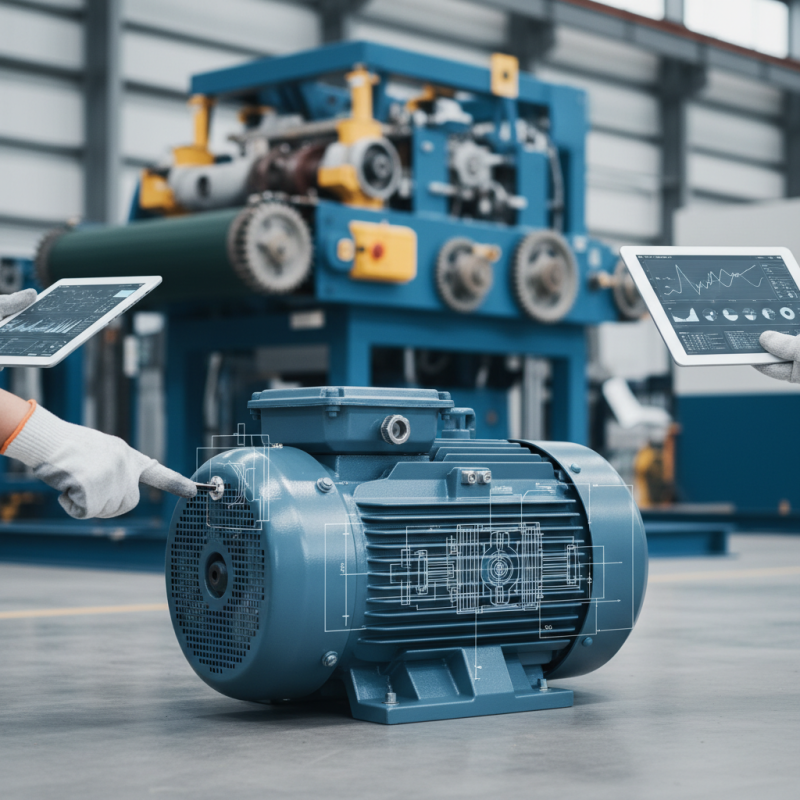
Three phase motors are essential in various industrial applications. They offer efficiency and reliability, making them a popular choice. Understanding their basics helps in selecting the right motor.
Three phase motors use three sets of windings to create a rotating magnetic field. This design allows for smooth operation and better torque compared to single-phase motors.
When choosing a three phase motor, consider its power requirements and application. The motor's size, voltage, and speed play significant roles in performance. An undersized motor might struggle, while an oversized motor can lead to energy waste. Reflect on the environment, too. Factors such as temperature and humidity affect motor choice.
It’s not always straightforward. Sometimes, the ideal motor is not available, requiring compromises. You may face choices that seem risky. Seeking expertise can lead to more informed decisions. Always review specifications carefully. The right motor must match your unique needs and ensure long-term reliability.
Choosing the right three-phase motor starts with understanding your application's specific needs. Consider the load type. Is it constant or variable? Identifying whether your load is resistive, inductive, or a mix will influence the motor's design. A motor for a conveyor belt system versus one for a pump has different requirements. Focus on torque and speed, as they are crucial for operational efficiency.
Next, evaluate the environment where the motor will operate. Is it indoors or outdoors? Exposed to moisture or chemicals? This along with temperature ranges will dictate the motor's insulation and housing. Always consider space constraints as well. A compact design may be needed in tighter spaces, while larger motors can offer more power.
Don't overlook the importance of energy efficiency. Seek motors that meet necessary standards. This is not just about compliance; it can lead to significant savings over time. Reflect on how maintenance impacts your choice. A motor that requires less frequent upkeep can reduce downtime, enhancing productivity. Remember, every application might require a unique approach, so take the time to assess your needs fully.
Choosing the right three-phase motor requires careful evaluation of its specifications and ratings. The motor's efficiency is critical. According to industry standards, an efficient motor can reduce energy costs by up to 30%. When assessing motors, look for the efficiency class, typically labeled from IE1 to IE5. Higher classes indicate better energy performance.
Another important specification is the power factor. It measures the motor’s efficiency in converting electrical power into mechanical power. A power factor of 0.9 or higher is desirable. Poor power factors can lead to increased energy consumption. This can reflect negatively on operational costs and overall performance. Motors with a good power factor ensure less wasted energy.
Torque rating is also essential. It describes the motor's ability to do work efficiently. Different applications require various torque levels. For instance, a conveyor system may demand high starting torque. In contrast, a fan might need less. Understanding these requirements can prevent potential issues. Overestimating torque needs can lead to overspending. Analyzing specific application requirements will guide your motor selection process effectively.
| Motor Type | Power Rating (kW) | Voltage (V) | RPM | Efficiency Class | Protection Class |
|---|---|---|---|---|---|
| Induction Motor | 5 | 400 | 1500 | IE3 | IP55 |
| Synchronous Motor | 7.5 | 460 | 1800 | IE4 | IP65 |
| Permanent Magnet Motor | 3 | 380 | 3000 | IE5 | IP54 |
| Wound Rotor Motor | 10 | 500 | 1000 | IE2 | IP44 |
When selecting a three-phase motor, installation and maintenance are crucial factors. First, determine the space available for the motor. Many industries use a range of motor sizes. Ensuring you have the right clearances can save you time and cost during installation. According to a recent report by the National Electrical Manufacturers Association, improper space allocation can increase maintenance costs by up to 15%.
Maintenance is often overlooked but is essential for efficiency. Regular checks can prevent significant failures. A study indicated that 30% of motor failures are due to insufficient maintenance. Create a maintenance schedule considering factors like operating hours and load levels. Some facilities may forget to track these details, which complicates maintenance planning. Use vibration analysis and thermography to ensure reliability.
Compatibility with existing systems is another vital factor. If the motor doesn't match the electrical system's specifications, it can lead to inefficiencies. This mismatch could cause overheating and increase wear. Industry experts recommend consulting with a qualified technician before installation, which can prevent oversights. Failing to heed such advice might lead to costly adjustments later.
When selecting a three-phase motor, budget implications are crucial. According to a report from the International Electrotechnical Commission (IEC), motor costs can account for up to 70% of the total operating expenses in industrial applications. Understanding upfront and long-term costs can help in making a more informed decision.
Initial purchase price often attracts attention, yet maintenance costs should not be overlooked. High-efficiency motors may cost more upfront but typically reduce energy consumption by nearly 10-20%. The U.S. Department of Energy indicates that energy costs can often surpass initial purchase costs over time. Therefore, evaluating lifetime costs rather than just the initial price is essential.
Installation costs can also vary. Complex setups may warrant additional labor costs, raising the overall budget. It's worth noting that some businesses overlook these expenses. Aligning your needs with specific motor features may at times lead to overspending. Ultimately, accurate budgeting should encompass all associated costs, ensuring long-term sustainability and efficiency.
: Assess the load type, torque, speed, and operational efficiency before selecting a motor.
Evaluate indoor or outdoor use, exposure to moisture or chemicals, and temperature range for insulation needs.
Energy-efficient motors save money over time and meet necessary performance standards.
A motor requiring less maintenance reduces downtime and enhances productivity.
Ensure you have adequate space and clearances to prevent increased maintenance costs during installation.
Regular maintenance checks and a clear maintenance schedule are essential to avoid significant failures.
Mismatched electrical specifications can lead to inefficiencies and overheating, increasing wear.
Upfront costs can be misleading; long-term energy and maintenance costs often outweigh initial prices.
Complex installations may incur additional labor, implying these costs should be included in the overall budget.
Include all associated costs—purchase, installation, energy, and maintenance—for long-term sustainability.
Choosing the right Three Phase Motor requires a comprehensive understanding of various factors to ensure optimal performance for your specific application. First, it's essential to grasp the basics of three phase motors, which operate efficiently in industrial settings due to their consistent power delivery. Identifying your application requirements, such as load type and operating environment, helps narrow down the choices.
Next, evaluating motor specifications and ratings will aid in selecting a motor that meets your energy efficiency and output needs. Moreover, considering installation and maintenance factors, including available space and accessibility, is crucial for long-term operation. Finally, assessing budget and cost considerations ensures you make a financially sound decision while obtaining the necessary capabilities. By methodically addressing these areas, you can select the most suitable Three Phase Motor for your requirements.

Sunvim Motor