Low Voltage Motors are crucial components in various industries. From manufacturing to renewable energy, their efficiency matters. As global demand rises, identifying top manufacturers in China is essential for international buyers. These companies provide reliable solutions and advanced technologies that enhance productivity.
China has become a hub for Low Voltage Motor production. With numerous manufacturers, buyers face a daunting task. This article explores the leading companies, detailing their strengths and specialties. Each manufacturer offers unique features and quality assurances.
Knowledge of the market landscape is vital. Global buyers must assess product performance and manufacturer reputation. Understanding the nuances of Low Voltage Motors also aids in informed decision-making. However, challenges exist, such as varying quality standards and regional regulations. Each buyer's journey involves learning and adapting to these complexities in the Chinese market.
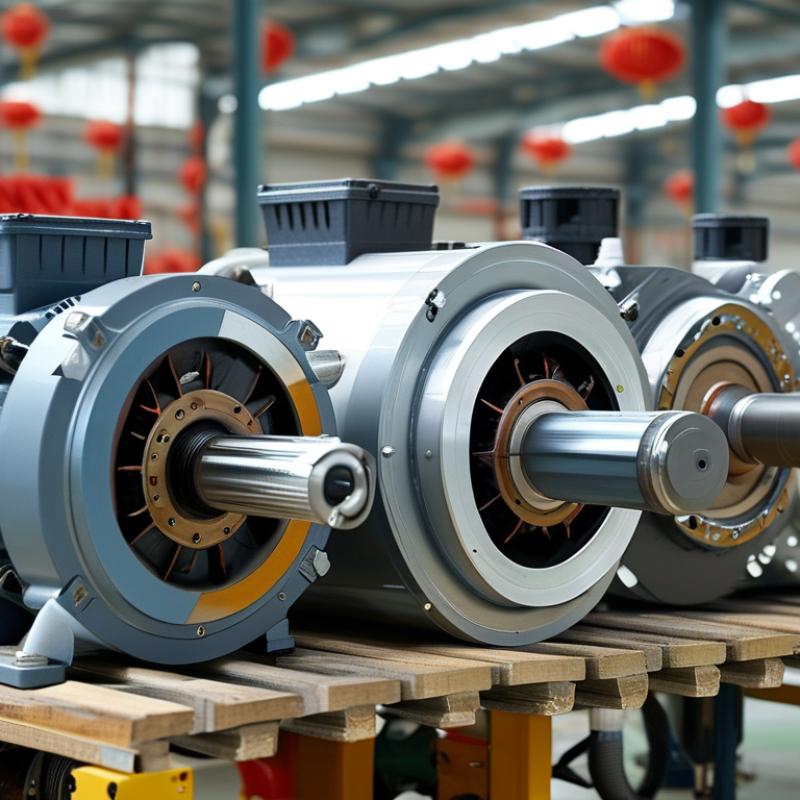
Overview of Low Voltage Motors and Their Applications
Low voltage motors play a crucial role in various industrial applications. These motors operate on voltage levels below 1000 volts, making them suitable for tasks requiring lower energy consumption. Common applications include fans, pumps, compressors, and conveyor systems. According to a recent market report, the global low voltage motor market is projected to reach over $25 billion by 2025.
In manufacturing, low voltage motors offer efficiency and flexibility. They are vital in powering equipment across industries, including HVAC, mining, and manufacturing. They are often preferred for their durability and reliability. However, choosing the right motor can be challenging. Factors like energy efficiency ratings, noise levels, and maintenance needs should be considered.
Consider regular assessments of your motor usage. This can help identify inefficiencies and potential upgrades. Look into energy-saving options. These investments can lead to significant long-term savings. Always consult industry reports for the latest trends and technologies. Understanding market dynamics can provide a competitive edge in selecting the ideal motors for your operations.
Key Factors to Consider When Choosing a Low Voltage Motor Manufacturer
When selecting a low voltage motor manufacturer, understanding key factors is crucial. First, evaluate the manufacturer's experience in the industry. Companies with a strong history in producing motors often have deeper insights into market needs. According to the International Electrotechnical Commission (IEC), quality and reliability are paramount, so look for manufacturers with stringent quality control measures.
Furthermore, analyze their production capabilities. Facilities equipped with modern technology can produce high-quality motors efficiently. A report from the International Energy Agency (IEA) indicates that energy efficiency is becoming vital for low voltage motors, as they often account for a significant portion of industrial energy consumption. Manufacturers that prioritize energy-efficient designs can help reduce operating costs.
Lastly, consider the after-sales support offered. Effective customer service can greatly influence user experience. Research shows that 70% of customers value post-purchase assistance. Even if a manufacturer excels initially, inadequate support can lead to operational challenges down the line. These reflections are essential when making a choice in the competitive landscape of low voltage motor manufacturing.
Top Low Voltage Motor Manufacturers in China: A Comprehensive List
When exploring the landscape of low voltage motor manufacturers in China, several factors come into play. Firstly, the level of production capability is crucial. China boasts numerous manufacturers with advanced technology and extensive experience. Many of these companies have invested in state-of-the-art machinery and R&D departments. The emphasis on efficiency and performance is highly regarded by buyers around the world.
Quality control is another vital aspect to consider. Reliable manufacturers implement strict quality checks throughout their production processes. Some may even adopt international standards to ensure product excellence. Yet, not all factories maintain the same level of rigor. This inconsistency can lead to concerns, making it essential for buyers to conduct thorough research before entering partnerships.
Additionally, geographical diversity across China plays a significant role in logistics. Manufacturers located near major transportation hubs often provide faster shipping options. However, this can also lead to a saturation of suppliers in certain areas, raising questions about their individual reliability. Careful evaluation of each manufacturer's reputation and performance history is necessary to make informed decisions that meet specific operational needs.
Top Low Voltage Motor Manufacturers in China for Global Buyers
| Manufacturer Location |
Product Range |
Annual Production Capacity |
Export Markets |
Quality Certification |
| Shanghai |
AC Motors, DC Motors, Gear Motors |
50,000 units/year |
North America, Europe, Asia |
ISO 9001, CE |
| Guangzhou |
Induction Motors, Servo Motors |
30,000 units/year |
South America, Africa, Middle East |
ISO 9001, UL |
| Shenzhen |
Synchronous Motors, Brushless DC Motors |
80,000 units/year |
Global, with strong presence in Asia |
ISO 9001, RoHS |
| Hangzhou |
Single Phase Motors, Three Phase Motors |
60,000 units/year |
Europe, Australia, Southeast Asia |
ISO 9001, CE |
| Wuhan |
Permanent Magnet Motors, Linear Motors |
20,000 units/year |
North America, Europe |
ISO 9001, IEC |
Comparative Analysis of Quality and Pricing Among Chinese Manufacturers
The landscape of low voltage motor manufacturing in China is diverse and complex. Many manufacturers offer a wide range of products. However, quality and pricing can vary significantly among them. Some factories prioritize costs over quality, impacting their long-term reliability. Other manufacturers balance both but may have higher pricing structures.
When comparing Chinese manufacturers, examining their production processes is essential. Skilled workers contribute to higher-quality output. Certifications can also indicate a firm’s commitment to quality standards. Nevertheless, some companies may hold obtained certifications as mere marketing tools. This indicates a gap between perceived and actual quality, which global buyers should consider.
Pricing schemes often reflect the manufacturing quality. More competitive prices often lead to concerns about durability and efficiency. Buyers must conduct thorough market research. Engaging with local industry experts might help clarify which manufacturers stand out. Ultimately, understanding these dynamics can enhance decision-making for global buyers navigating this vast market.
Future Trends in Low Voltage Motor Production in China
The low voltage motor production landscape in China is evolving rapidly. Significant advancements in technology are shaping the way these motors are manufactured.
Automation plays a crucial role, improving efficiency and reducing production costs. This shift allows manufacturers to respond swiftly to market demands. Electric vehicles and renewable energy systems are driving the need for improved low voltage motors.
Markets are increasingly focusing on energy efficiency. Manufacturers are investing in research to enhance the performance of their motors. Smaller, lighter designs are becoming common, allowing for versatile applications across various industries.
However, some companies struggle to keep pace with these trends. They may face challenges in adopting new technologies due to high investment costs.
For buyers, understanding these trends can be vital. Quality assessment of manufacturers is important. Look for companies that demonstrate ongoing innovation. Pay attention to their sustainability practices as well. This insight can aid in making informed purchasing decisions. Emphasizing collaboration with reliable partners can lead to better products. Engaging with manufacturers that value transparency will likely yield the best results.
Conclusion
Low Voltage Motors play a crucial role in various industries, driving applications ranging from manufacturing to HVAC systems. Understanding their functionality and suitability for specific applications is essential for global buyers looking to procure these motors. When selecting a low voltage motor manufacturer, factors such as production quality, technological advancements, and pricing should be considered to ensure reliable and efficient performance.
China stands out as a leading producer of low voltage motors, with numerous manufacturers offering a wide variety of products. A comprehensive analysis of these manufacturers reveals significant differences in quality and pricing, which can impact purchasing decisions. Additionally, the future of low voltage motor production in China is expected to evolve with advancements in automation and smart technology, indicating a promising direction for both manufacturers and global buyers alike.

 Sunvim Motor