Engineered to deliver exceptional energy efficiency and operational resilience in demanding environments from Lima to high-altitude Andean mines.
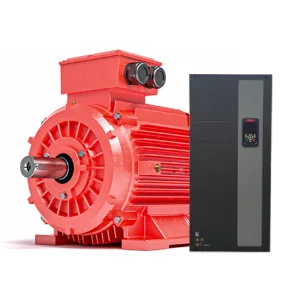
Unparalleled rotor-lossless operation designed for advanced variable-speed drive configurations in mining flotation and industrial pumping systems.
Explore SCZ Series →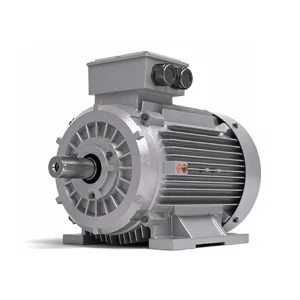
Compliant with strict international standards, reducing active carbon footprints and operational costs in major Peruvian processing units.
View IE4 Solutions →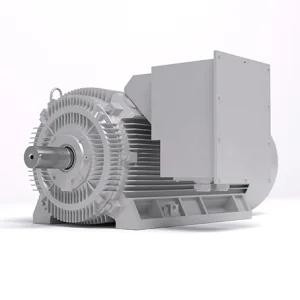
Robust cast-iron ribbed frames engineered to optimize thermal dissipation under extreme dust and high ambient conditions in mineral processing.
Browse Y2 Rib Cooled →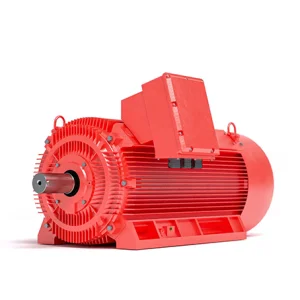
Optimized torque density configurations ensuring trouble-free start-up and continuous performance at elevations exceeding 4,000 meters.
Learn More →Peru's industrial fabric is anchored by heavy mining operations, extensive agricultural irrigation, marine aquaculture, and metallurgy. Key operations in the high-altitude Andes (such as Antamina, Cerro Verde, and Las Bambas) require heavy machinery to run continuously under demanding environmental conditions. At elevations exceeding 3,000 meters above sea level, thin air drastically decreases standard electric motor cooling efficiency, requiring heavy performance de-rating. Consequently, standard induction motors often overheat, experience accelerated winding failures, and consume excess energy.
To address this challenge, the Synchronous Reluctance Motor (SynRM) offers an ideal solution. Unlike induction motors that generate heat through rotor currents, SynRM rotors experience virtually zero Joule losses. This lower operating temperature allows for significantly smaller de-rating factors at high altitudes. Additionally, Peru’s Supreme Decree DS 009-2017-EM mandates strict Minimum Energy Performance Standards (MEPS). Adopting SynRM technology directly aligns with these strict national efficiency frameworks, saving thousands in annual energy costs.
Traditional induction motors must be de-rated by up to 20% when operated above 3,000 meters due to reduced air density. SynRM technology mitigates this issue because it operates with a much cooler rotor, allowing it to maintain close to nominal torque. The table below compares these operational performance parameters:
| Operational Metric | Standard Induction Motor | Sunvim SynRM (SCZ Series) |
|---|---|---|
| Rotor Energy Losses | Significant (Copper/Aluminum $I^2R$ losses) | Near-Zero (No windings or magnets) |
| Thermal Class Degradation | High at high altitudes (>3000m) | Minimal (Stator heats; rotor remains cool) |
| De-rating factor at 4000m | De-rate by 15% - 22% | De-rate by only 5% - 8% |
| Full Load Efficiency Class | Typically IE2 / IE3 | Ultra-Premium IE4 / Hyper-Premium IE5 |
| Reactive Power Costs | Higher due to lagging power factor | Optimized via Variable Frequency Drive |
An in-depth technical analysis explaining why SynRM outperforms both induction and permanent magnet motors in critical operations.
SynRMs generate torque based on magnetic reluctance difference rather than electromagnetism or permanent magnets. The rotor features strategic air voids (flux barriers) that direct the magnetic field lines. When the stator’s rotating magnetic field energizes, the rotor aligns along the path of minimum reluctance (d-axis vs. q-axis), creating highly responsive and predictable rotation.
Traditional induction rotors rely on induced currents within aluminum or copper rotor cages, producing considerable $I^2R$ copper losses. SynRM rotors completely eliminate these active electrical components. By avoiding rotor losses, motor operating temperatures are kept exceptionally low, significantly extending bearing and insulation life.
Permanent magnet motors (PMSMs) rely on expensive rare-earth elements like Neodymium and Dysprosium. These metals are prone to price volatility and can demagnetize at high operating temperatures. SynRM motors deliver similar high efficiencies to PMSMs using standard electrical steel laminations, ensuring stable pricing and reliable operation.
Empowering global heavy industries since 1963 with precision engineering, heavy-duty production facilities, and reliable supply chains.
We utilize advanced production machinery and automated testing systems to ensure all industrial motors meet strict quality control standards.
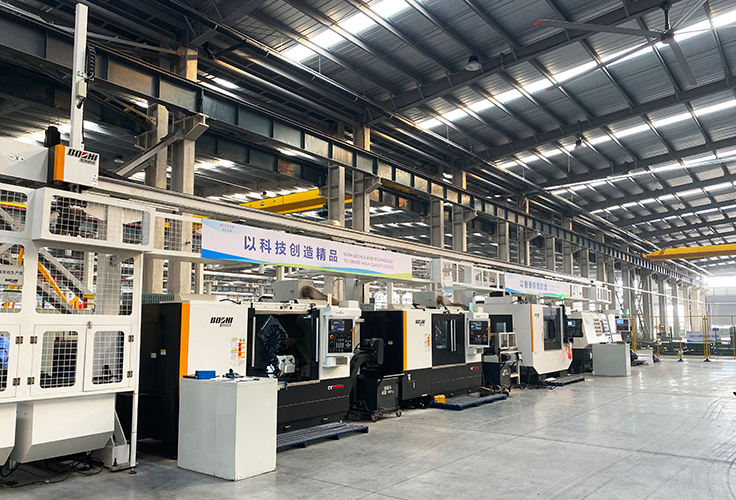
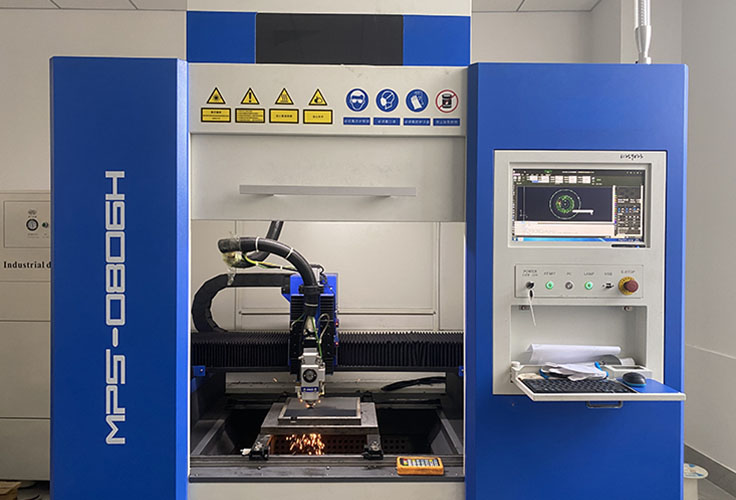
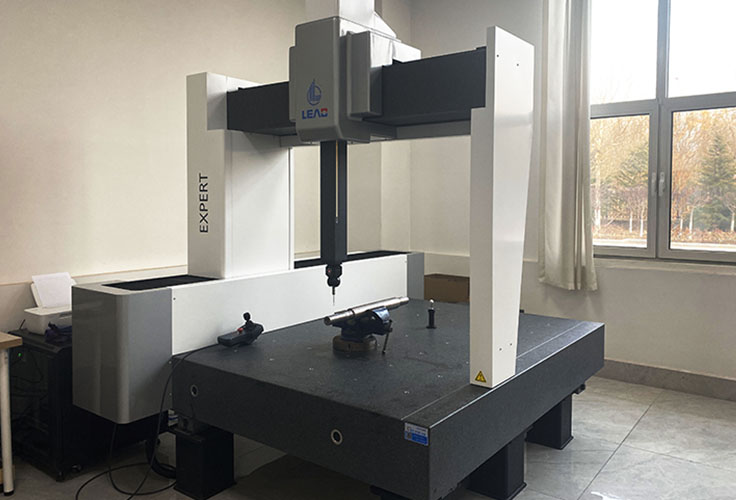
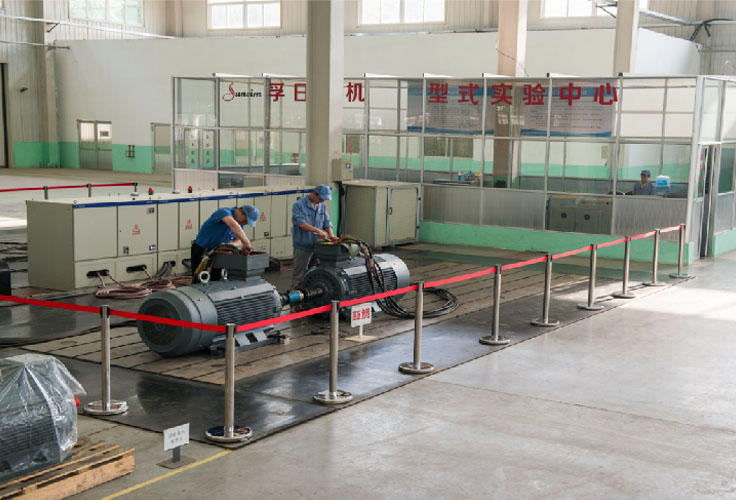
Our commitment to quality is backed by recognized international certifications, ensuring fully compliant operations throughout Peru.

Optimized for major domestic sectors, reducing downtime and energy costs in complex industrial configurations.
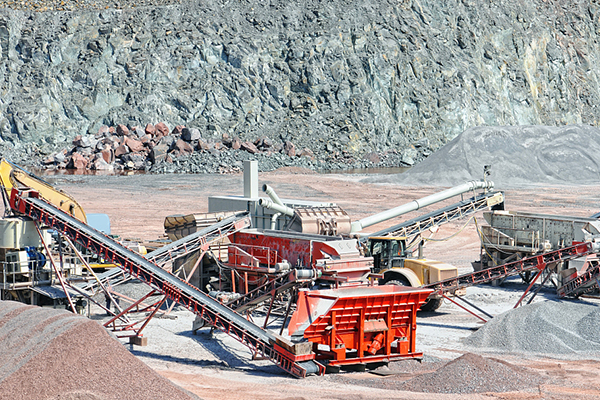
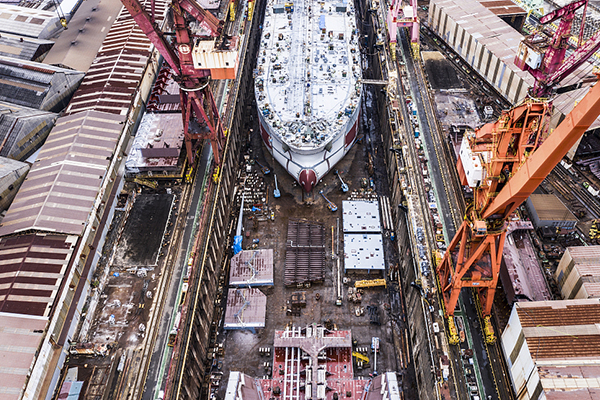
We leverage highly optimized logistical corridors from our facilities in Shandong to major Peruvian destinations, guaranteeing short lead times and stable pricing structures. Shipping directly from Qingdao Port to the Port of Callao ensures fast, secure transport of heavy industrial equipment.
Additionally, under the active China-Peru Free Trade Agreement (FTA), our clients benefit from preferential customs procedures and reduced tariffs. Our logistics team handles all certificate of origin documentation to ensure smooth custom clearance and absolute compliance with Peru's import laws.
To ensure long-term operational success, Sunvim provides comprehensive technical support tailored for the Peruvian market:
Expert answers regarding technical operation, performance de-rating, and integrating SynRM systems into Peruvian operations.
Traditional induction motors rely on rotor currents, which generate significant internal heat ($I^2R$ copper losses). At high altitudes (e.g., above 3,000 meters in regions like Cajamarca, Pasco, or Arequipa), the thin air reduces cooling capacity, requiring motors to be de-rated. SynRM technology features an anisotropic rotor without copper windings or permanent magnets, which eliminates rotor-side heat generation. Because the rotor remains cool, de-rating factors are minimal, allowing the motor to deliver higher continuous torque without overheating.
Yes. Our SCZ Series Synchronous Reluctance Motors are fully compatible with standard variable frequency drives (VFDs) that feature open-loop or closed-loop vector control (including models from ABB, Siemens, and Yaskawa). We recommend using modern VFDs with dedicated SynRM control algorithms for optimal performance and maximum efficiency.
Depending on the duty cycle and local utility tariffs, replacing an IE2 induction motor with an IE4 SynRM typically pays for itself within 12 to 18 months of continuous operation. In heavy-duty slurry pumping and flotation cell applications, the combined savings from reduced active energy consumption and extended bearing lifespans deliver a high return on investment.
Explore our wide selection of industrial machinery, heavy-duty induction systems, and custom motor designs.
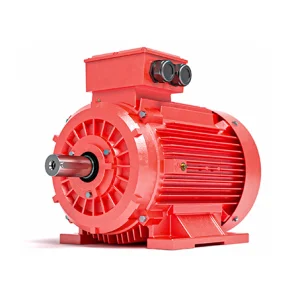
Premium efficiency levels configured to support extensive continuous operations across irrigation networks and food packaging industries.
View IE3 Inventory →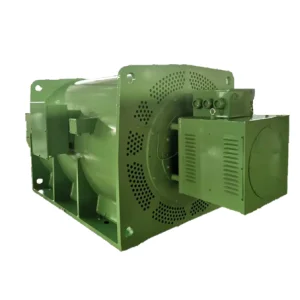
Engineered for high-inertia startup applications, perfect for crushing plants and material conveyances in mineral extraction.
Slip Ring Motors →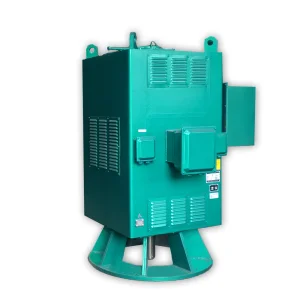
Highly customizable frames designed to optimize cooling, maintenance access, and continuous load balancing in public sectors.
Explore YL Modular →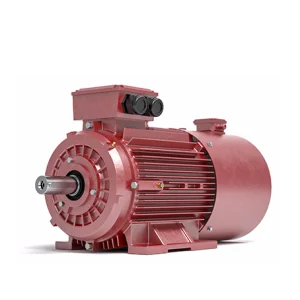
Equipped with specialized insulation systems to prevent corona discharge and bearing currents when paired with modern VFDs.
Browse YVF Series →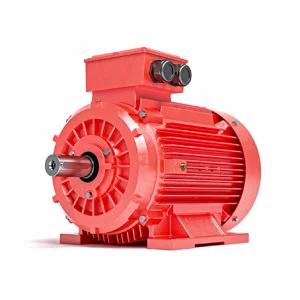
Features adjustable pole-changing wiring configurations for multi-step speed control in complex mechanical drives.
YD Multi-Speed Motors →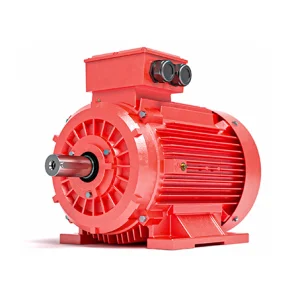
Robust, cost-effective induction motor setups designed for simple variable load applications and standard factory auxiliaries.
IE2 Pricing Details →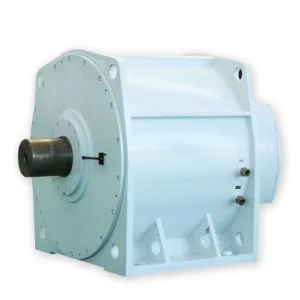
Highly efficient motors optimized for low-vibration ventilation configurations, lowering auxiliary energy footprints.
Explore PMSM Systems →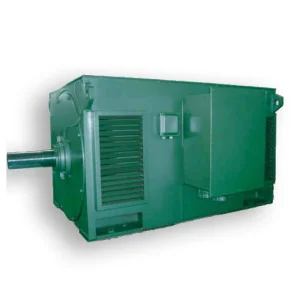
Robust open-drip-proof configurations designed for optimized air flow and continuous high-load operations in dusty metal processing mills.
Y Series Induction → Sunvim Motor