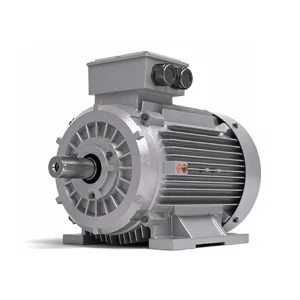
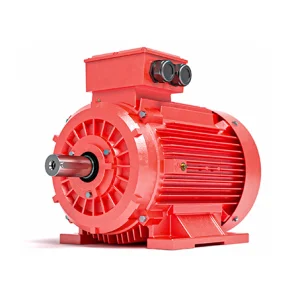
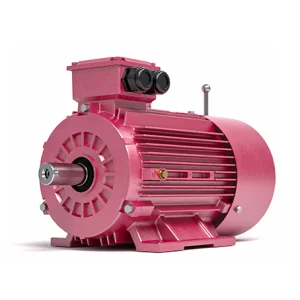
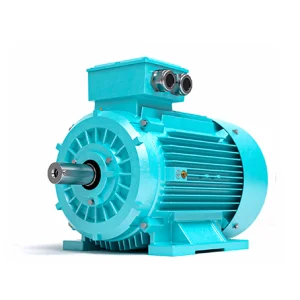
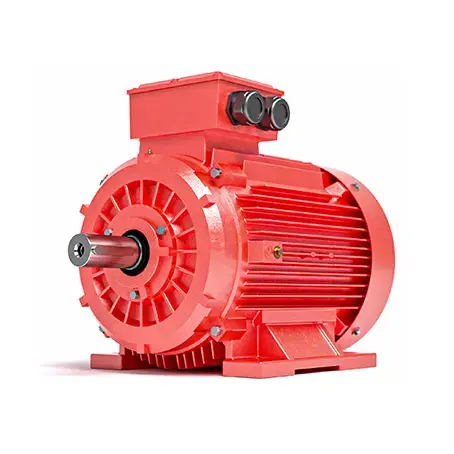
Explore our premium-engineered selection of custom-wound industrial motors, certified to global efficiency benchmarks and operational frameworks.
Analyzing the core physical laws that define high-efficiency motor exports in modern industrial applications.
In the realm of modern electromechanical engineering, the winding configuration of a three-phase induction or permanent magnet motor serves as its central thermodynamic and electromagnetic core. For industrial buyers seeking a reliable China Motor Winding Exporter, understanding the metallurgical and geometric characteristics of motor windings is critical for ensuring optimal energy conversion and system reliability. High-efficiency motors rely heavily on the configuration, quality, and insulation of their stator windings to minimize losses—primarily copper losses ($I^2R$ losses), iron core losses, and stray load losses.
Premium motor manufacturers utilize high-grade, 99.99% oxygen-free electrolytic copper wire, coated with multiple layers of advanced polyamide-imide enamel. This premium copper wire guarantees superior electrical conductivity and exceptional thermal endurance, which is particularly vital for continuous-duty applications. The precision of the winding layout, including the slot fill factor, directly correlates with the motor's power density. By increasing the slot fill factor using automated winding techniques, we minimize internal air gaps within the stator slots, resulting in enhanced thermal dissipation pathways and significantly reduced operating temperatures.
“An increase of just 5% in the stator slot fill factor can reduce winding thermal resistance by up to 12%, effectively extending the operational life of the insulation system by almost double under extreme continuous-load scenarios.”
Furthermore, motor insulation technology must conform to rigorous industrial categories. Standard configurations feature Class F ($155^\circ\text{C}$) or Class H ($180^\circ\text{C}$) insulation systems. These systems undergo Vacuum Pressure Impregnation (VPI) with high-molecular-weight solventless resins. The VPI process ensures complete penetration of the resin into the deep recesses of the stator windings, eliminating micro-voids, securing the coils against mechanical vibrations, and creating a robust barrier against moisture, chemical dust, and aggressive industrial gases. This mechanical stability prevents inter-turn short circuits and insulation degradation, which are the primary causes of premature motor failure in the field.
Discover the cutting-edge machinery and structural timeline that fuels the production of Shandong Sunvim Motor Co., Ltd.
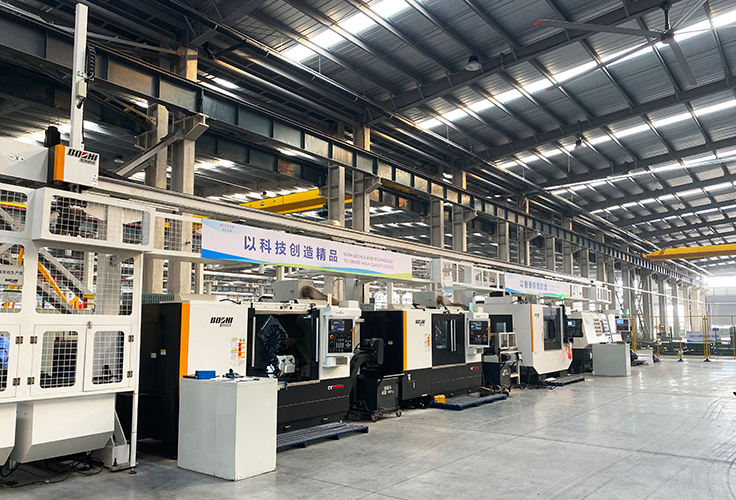
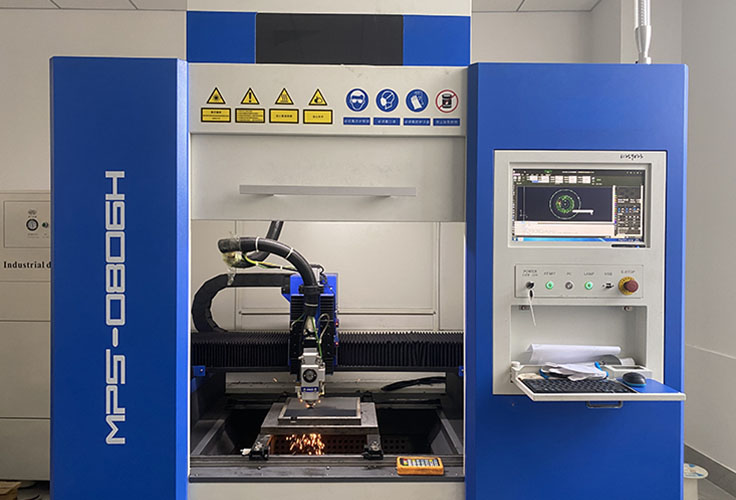
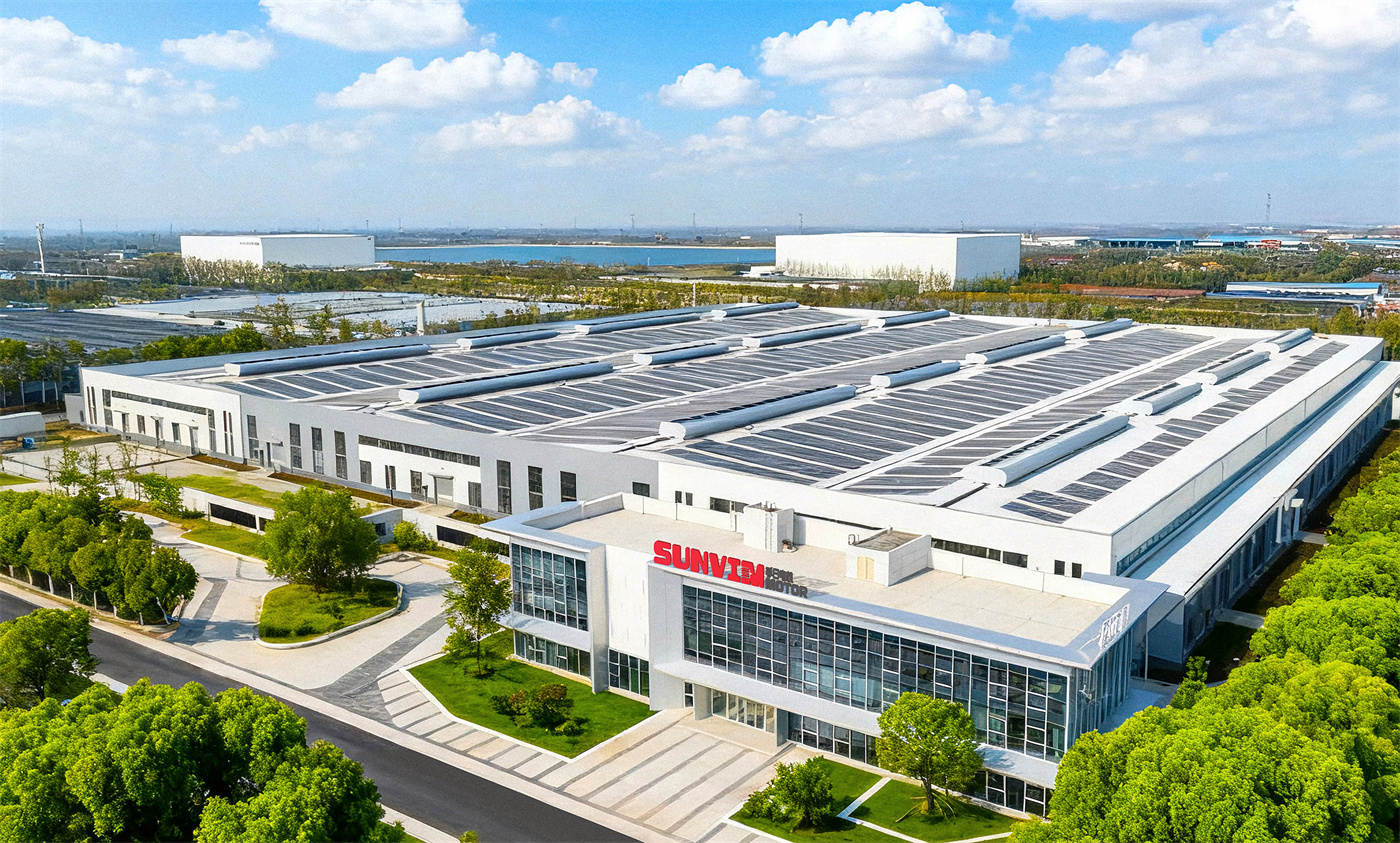
Behind every exceptional motor winding exporter is a resilient manufacturing facility. At Shandong Sunvim Motor Co., Ltd., our production philosophy is driven by automation, rigorous quality control, and vertical integration. With more than 400 sets of highly specialized manufacturing, machining, and diagnostic equipment, our processes are designed to deliver zero-defect motors to markets across Germany, Italy, Spain, South Africa, Australia, and Singapore. The implementation of automated shaft machining lines, CNC laser cutters, and high-speed multi-station progressive stamping presses guarantees that every stator lamination stack meets exact tolerances.
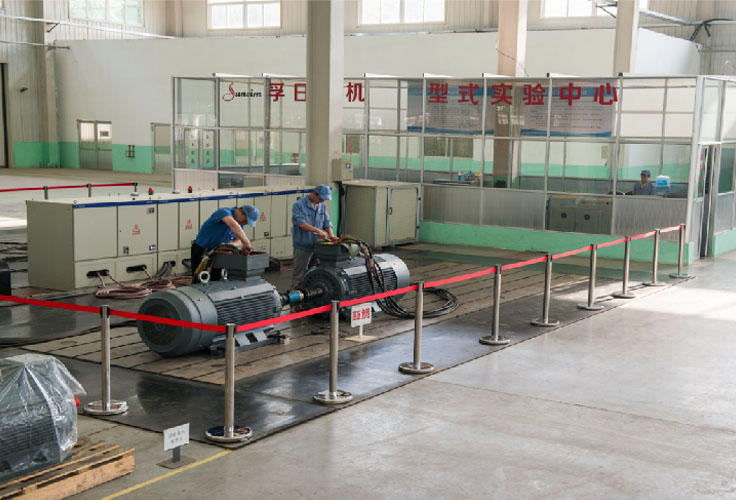
To eliminate manual errors, our stator winding department features automated winding and insertion lines. These machines meticulously control wire tension, coil pitch, and slot insertion forces, ensuring uniform wire distribution and eliminating stress points on the enamel coating. The complete manufacturing lifecycle is monitored using an ERP-integrated manufacturing execution system (MES), which provides real-time traceability from the raw copper ingot stage to the final load testing protocol in our advanced type testing center.
Automatic machining lines ensure high geometric concentricity and minimal mechanical vibration.
High-precision laser cutters produce stator and rotor laminations with minimal edge burrs.
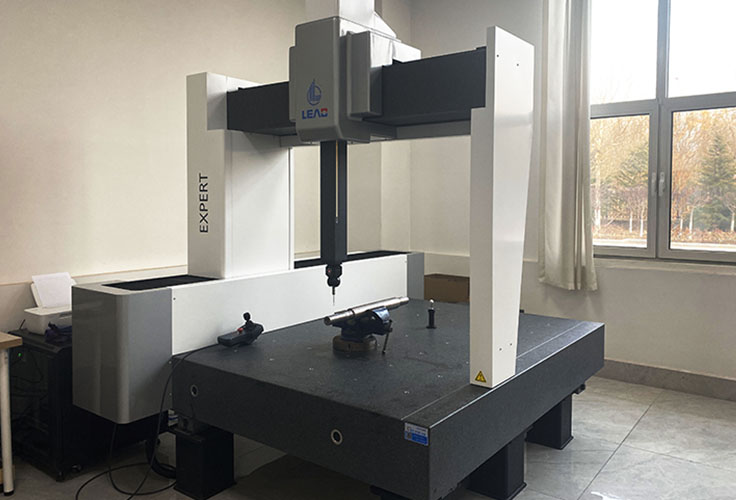
Three-dimensional coordinate measuring instruments verify tight dimensional tolerances.
Full load and dynamic tests evaluate thermal rise, efficiency parameters, and harmonic distortion.
Compliance is essential for high-performance operations. Explore our extensive network of certifications that allow us to distribute motors worldwide.
For industrial buyers, motor reliability is verified by international certifications. Electric motors exported by Shandong Sunvim Motor Co., Ltd. comply with the regulatory and technical frameworks required by major markets. Our manufacturing system is certified under the ISO 9001:2015 quality management standard, ensuring systematic tracking and optimization across every production phase. For the European Economic Area, our motors carry the CE mark, while UK-bound products are fully certified with the UKCA mark, guaranteeing conformity to all applicable health, safety, and environmental protection standards.
In addition, our products meet the strict energy efficiency standards of North America, verified by the UL certification. For specialized marine applications, our motors are certified by leading classification societies, including the China Classification Society (CCS), American Bureau of Shipping (ABS), and Det Norske Veritas (DNV). These marine-grade motors feature advanced shaft seals, anti-corrosive finishes, and vacuum-pressure impregnated windings to withstand harsh offshore environments, salty air, and high moisture levels.

ISO9001:2015
CE

UKCA
UL
SABS
CCS Marine
ABS Marine
DNV Marine
Exploring how our specialized winding layouts and structural designs meet the unique demands of key industrial sectors.
Industrial applications present diverse operational challenges. A standard motor that functions reliably in a textile facility may fail in a cement plant or marine environment. That is why Shandong Sunvim Motor designs specific winding configurations, insulation protection ratings, and heat dissipation profiles tailored to the precise requirements of major global industries.
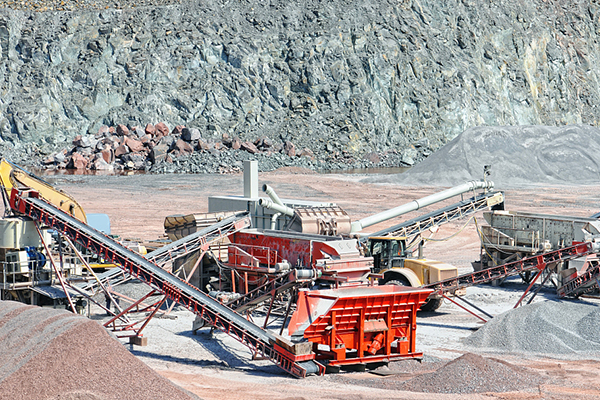
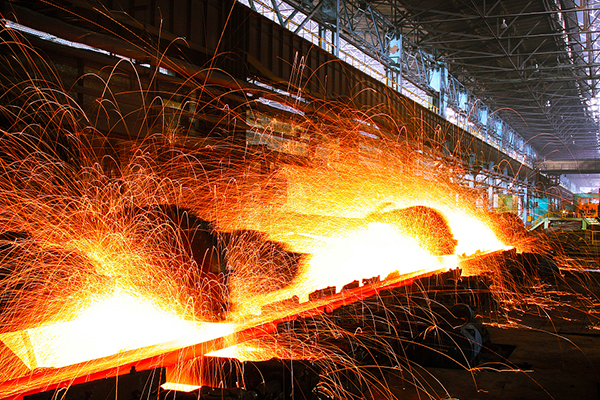
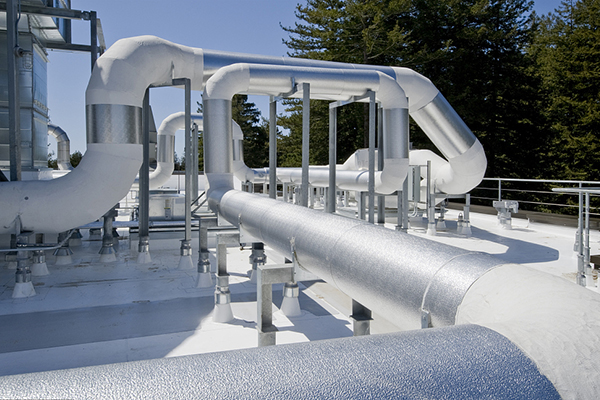
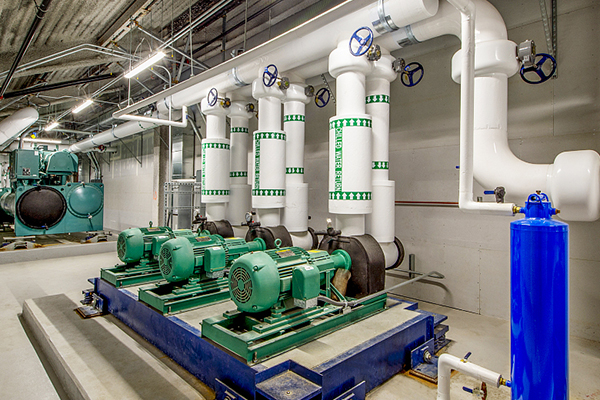
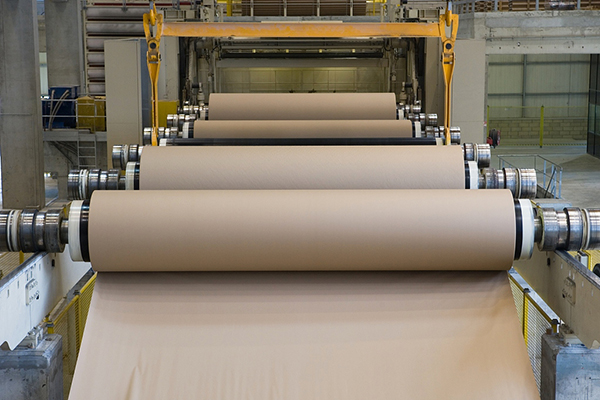
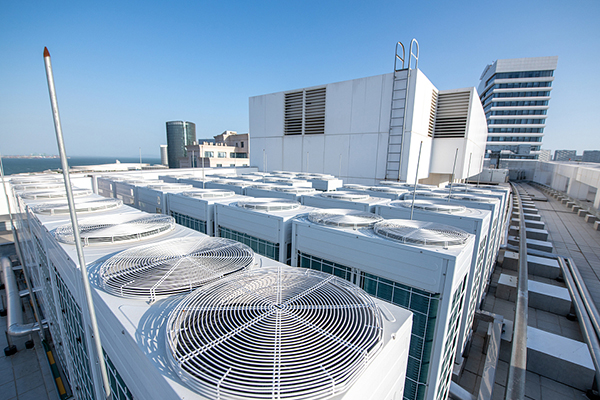

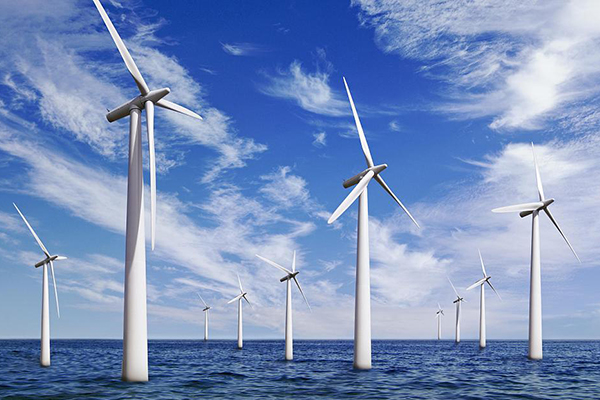
In heavy-duty applications like **Mining & Metallurgy**, environmental factors like coal dust, metallic particles, and extreme temperatures present constant challenges. For these settings, our specialized motors feature IP55 or IP56 enclosure ratings and cast-iron frame constructions to prevent dust ingress. Furthermore, our customized windings are reinforced with class H insulation, maintaining their structural integrity even during thermal surges caused by sudden overloads or high starting torques.
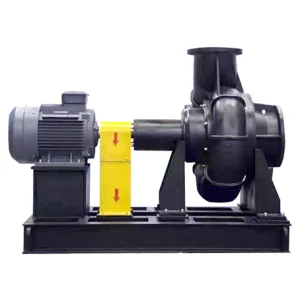
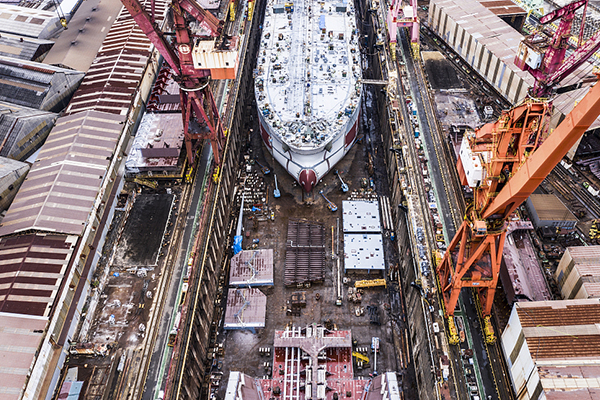
For applications such as **Shipbuilding** and **Chemical Processing**, chemical and saline corrosion are major concerns. To address this, we apply robust multi-layered epoxy primers and poly-urethane topcoats, paired with internal condensation drains and anti-fungal treatments. By optimizing the stator-rotor electromagnetic configurations, we ensure highly efficient, stable operation across maritime machinery, industrial compressors, high-speed ventilation fans, and massive agricultural pumps.
How our engineering team leads the industry toward sustainable high-efficiency energy and intelligent motor integration.
The global push for decarbonization and energy efficiency is driving a major evolution in electric motor technology. The European Union and international standards bodies have updated minimum energy performance standards (MEPS), making premium efficiency (IE3) and super-premium efficiency (IE4) motors mandatory across many industrial sectors. Our engineering team at Shandong Sunvim Motor is already looking ahead, dedicating substantial R&D resources to design and refine **ultra-premium efficiency (IE5)** motor platforms.
A key focus of this technological transition is our work with **Permanent Magnet Synchronous Motors (PMSM)** and **Synchronous Reluctance Motors (SynRM)**. These designs eliminate rotor copper losses, providing high energy savings even under partial load conditions. In addition, our research team is developing embedded smart diagnostic sensors. These sensors monitor temperature, winding insulation health, and vibration levels in real time, allowing plant operators to implement predictive maintenance plans, avoid costly unplanned downtime, and extend the service life of their industrial assets.
Leveraging advanced electromagnetic slot configurations and high-purity copper windings to reduce overall electrical losses by up to 20% compared to standard IE3 systems.
Integrating wireless vibration and temperature sensors directly into the stator frame, allowing operators to monitor insulation health and receive early warnings before failures occur.
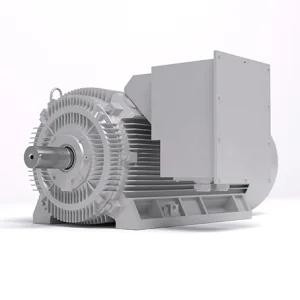
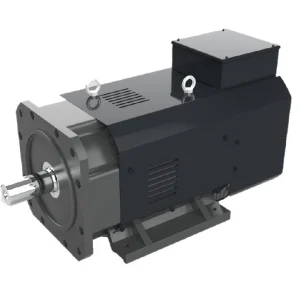
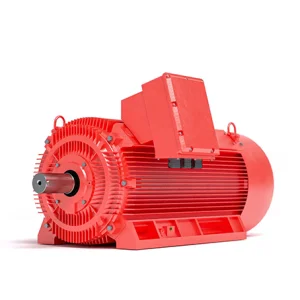
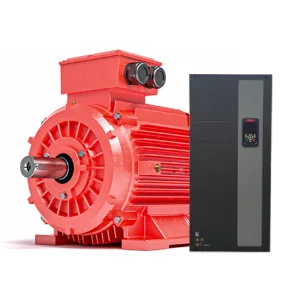
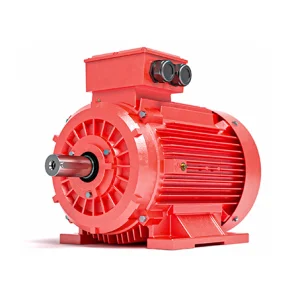
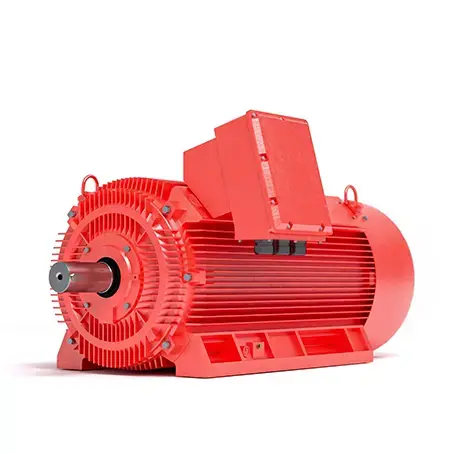
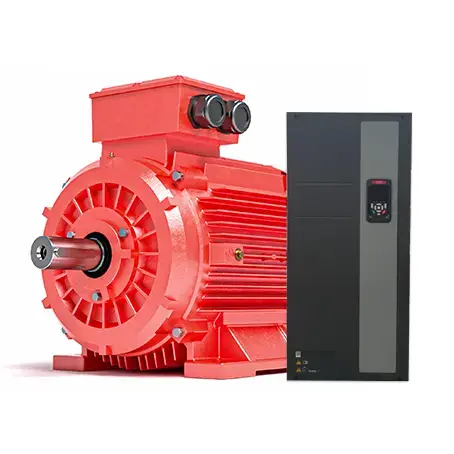
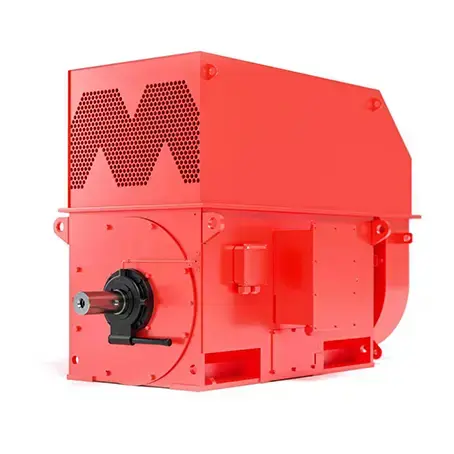
Review our specialized motors, including variable frequency drives, heavy-duty slip ring models, and high-performance marine-rated systems.
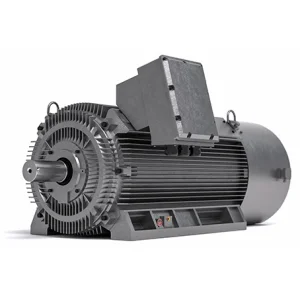
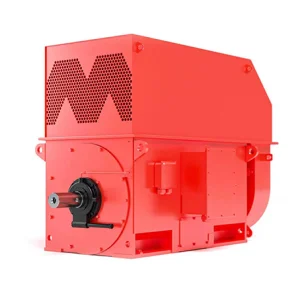
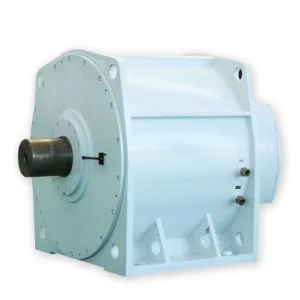
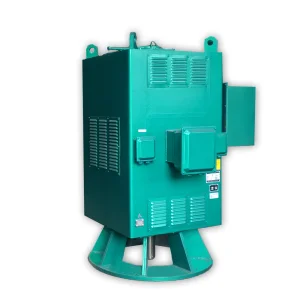
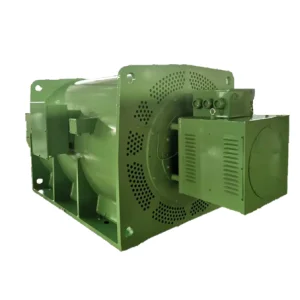
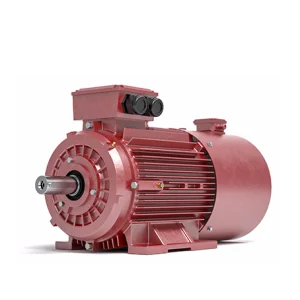
Key models with optimized winding slot geometry, customized phase insulation, and high-performance steel laminations.
Find answers to common questions about customization options, quality control, shipping, and technical specifications.
For custom motor windings, we recommend providing key technical specifications to ensure optimal performance. These parameters include: targeted input voltage (e.g., 380V, 460V, or 6000V), supply frequency (50Hz, 60Hz, or VFD-driven), rated power output (kW/HP), duty cycle (S1 through S9), class of insulation required (Class F or H), environment temperature range, altitude, and any specialized protective coatings required for marine or chemical environments.
VFD systems can generate voltage spikes (high dV/dt rates) that place extra stress on winding insulation. To protect against this, our YVF converter-fed motors feature phase-insulated magnet wires, reinforced slot liners, and dedicated phase separators. In addition, we utilize advanced vacuum pressure impregnation (VPI) with solventless resins to eliminate micro-voids, preventing corona discharge and premature insulation breakdown.
Every stator winding undergoes rigorous electrical tests prior to varnishing and final assembly. This protocol includes: DC winding resistance measurements, insulation resistance (megger test), high-voltage dielectric strength testing, and surge tests. The surge test is critical, as it identifies potential inter-turn short circuits by applying a high-voltage impulse to detect waveform imbalances.
Permanent magnet motors offer several performance advantages, including: higher efficiency levels (exceeding IE4 or IE5 standards), increased power density for a smaller physical footprint, and excellent torque characteristics at low operational speeds. Because PMSM designs do not experience rotor copper losses, they run cooler, reducing thermal load on bearings and extending overall service life.
Yes. We provide electric motors certified by leading classification societies, including CCS, ABS, and DNV. These marine-grade motors are designed with high-strength cast-iron frames, specialized anti-corrosive coatings, internal heaters to prevent condensation, and heavy-duty shaft seals (such as IP56 or IP66) to withstand salt air and high moisture levels in marine and offshore applications.
 Sunvim Motor