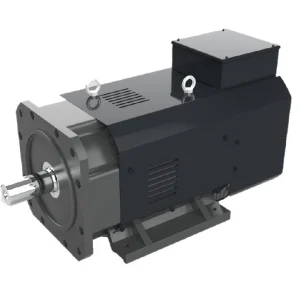
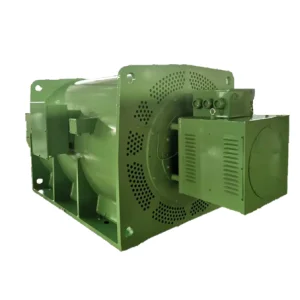
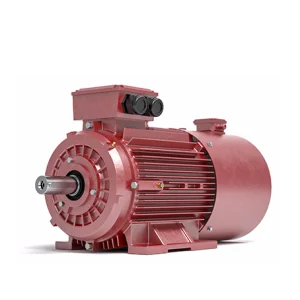
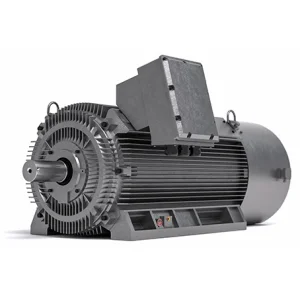
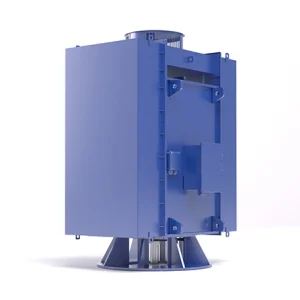
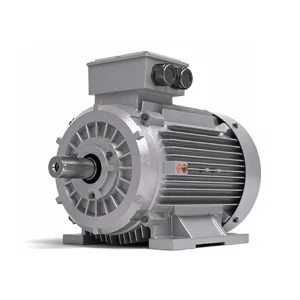
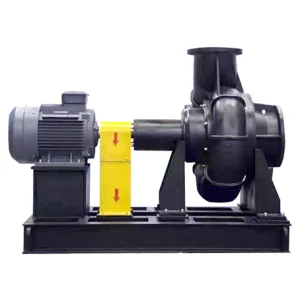
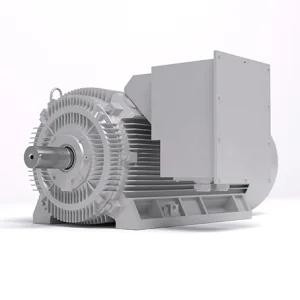
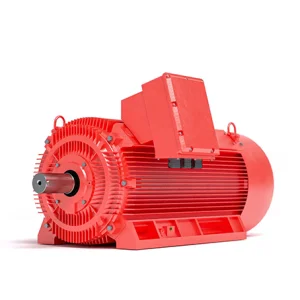
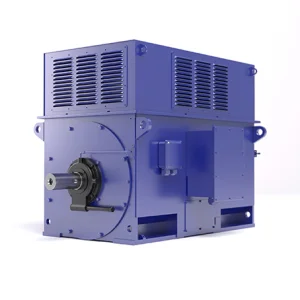
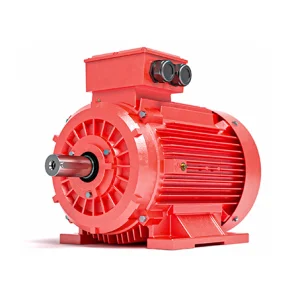
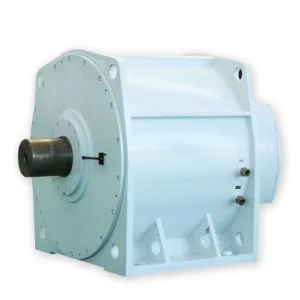
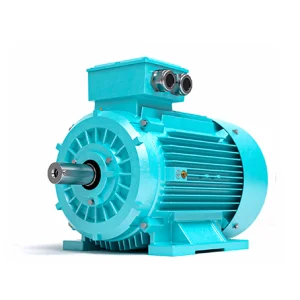
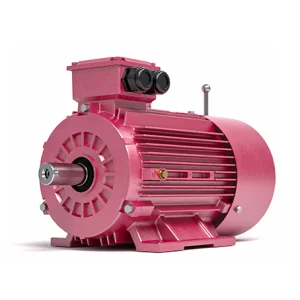
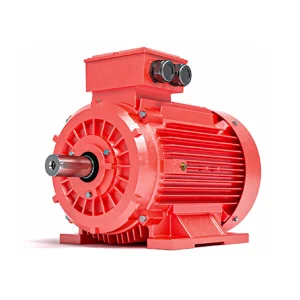
Explore the baseline technical metrics of our core high-output machinery. Engineered for continuous duty in heavy-stress hydrodynamic projects.
A Strategic Engineering Perspective on the Convergence of Hydraulic Design and Motor Powertrains
In the contemporary global landscape, the requirement for high-durability pumping systems transcends basic volume transfer. According to global industrial energy surveys, mechanical pumping processes consume roughly 22% of all motor-driven system energy globally. Consequently, evaluating a high-quality pump pricelist & products catalog requires a strategic transition from assessing capital expenditures (CAPEX) to analyzing long-term operational expenditures (OPEX) and lifecycle carbon footprints.
Modern pumping solutions are highly dependent on the design of the electric motors that power them. Whether dealing with high-viscosity media in petrochemical pipelines or municipal wastewater containing abrasive solids, the volumetric efficiency of the system is constrained by the performance of the motor. Modern systems increasingly utilize high-efficiency modular induction motors and permanent magnet synchronous motors (PMSM) to improve reliability and handle demanding duty cycles.
Strict environmental and efficiency standards are driving rapid development in industrial fluid dynamics. The European Ecodesign Directive and similar frameworks in Asia and North America mandate high performance targets. As a result, standard induction drives are being phased out in favor of high-performance alternatives.
Our comprehensive selection of IE3 and IE4 high-output induction motors, alongside our cutting-edge IE5 permanent magnet synchronous motor (PMSM) range, provides the technical foundation needed to meet these stringent environmental expectations. Operating pump installations continuously means that even minor improvements in fractional motor efficiency can lead to significant annual cost reductions.
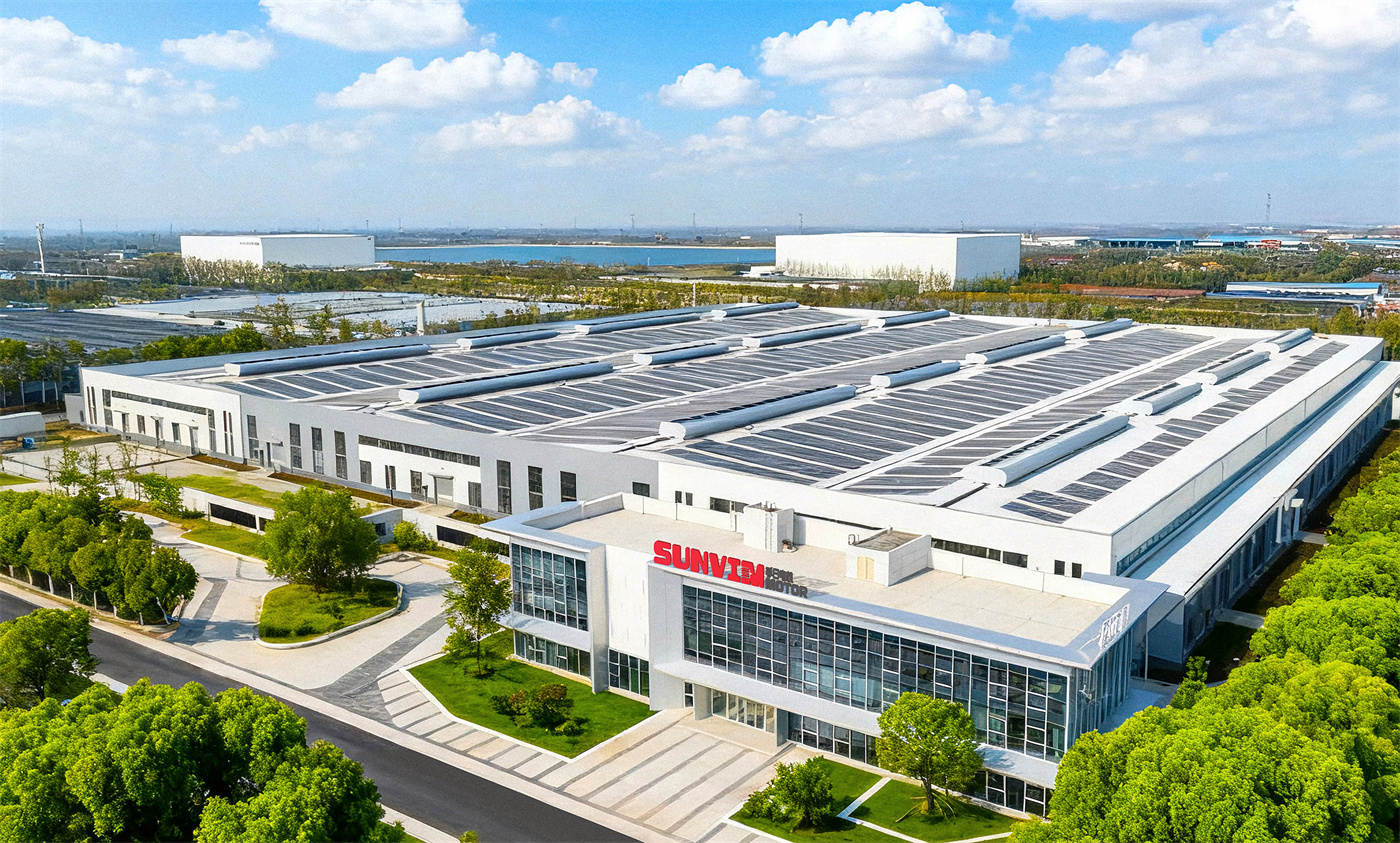
Backed by over six decades of dedicated expertise in electric powertrain design, R&D, and manufacturing, Shandong Sunvim Motor Co., Ltd. represents a benchmark in industrial motor technology. Following our strategic capitalization and facility upgrades in 2022, we established a highly modernized, smart production ecosystem engineered to support the next generation of global fluid management systems.
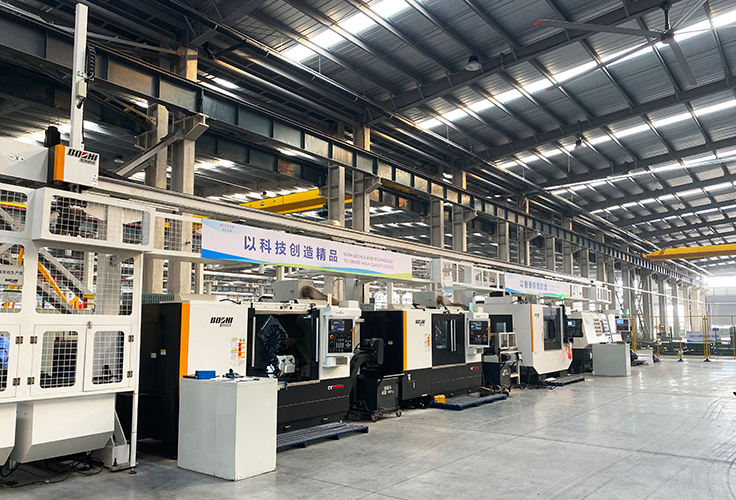
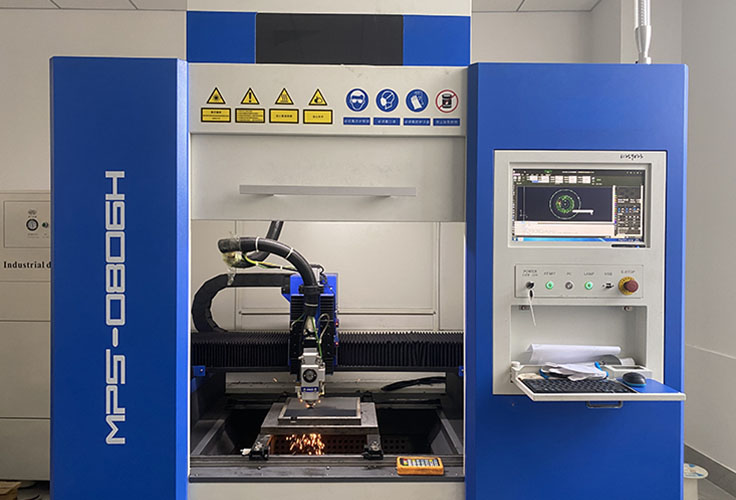
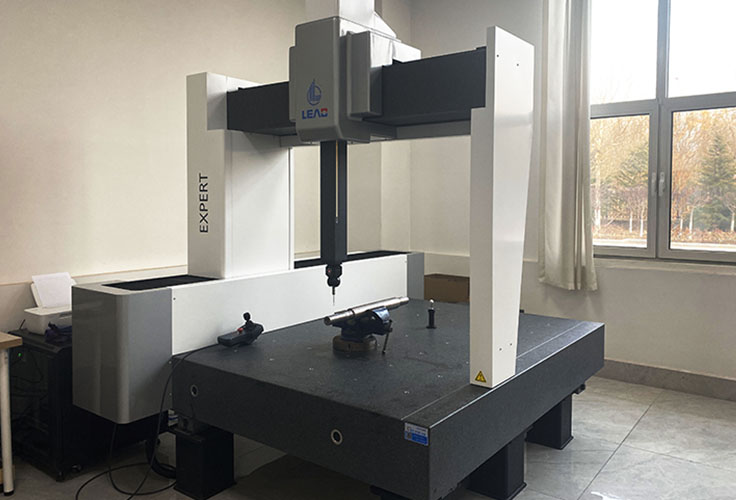
Operating under the support of Sunvim Group—a multi-billion RMB industrial conglomerate—Sunvim Motor offers outstanding financial stability and substantial production capabilities. Our manufacturing facilities utilize over 400 sets of advanced precision testing, machining, and automated production systems, enabling an annual production capacity of up to 3 million kilowatts.
Today, Sunvim Motor operates as a globally recognized enterprise, exporting robust industrial motors to premier global markets, including Germany, Italy, Greece, Spain, Belgium, Denmark, South Africa, Slovakia, Australia, Singapore, Indonesia, Malaysia, and Taiwan.
A legacy of quality and adaptation across sixty years of industrial transitions.
Foundation
Establishment of the Gaomi Electric Appliance Factory, beginning our long legacy of electrical machinery production.
Industrial Pivot
Establishment of Gaomi Towel Factory by Mr. Sun, creating the operational and corporate foundations of the modern Sunvim Group.
Strategic Consolidation
Sunvim acquires Weifang Electric Machinery, establishing Shandong Sunvim Electrical Machinery Co. Ltd. to expand production capacity.
Modern Renaming
Relocation to our state-of-the-art smart industrial park, officially establishing Shandong Sunvim Motor Co. Ltd.
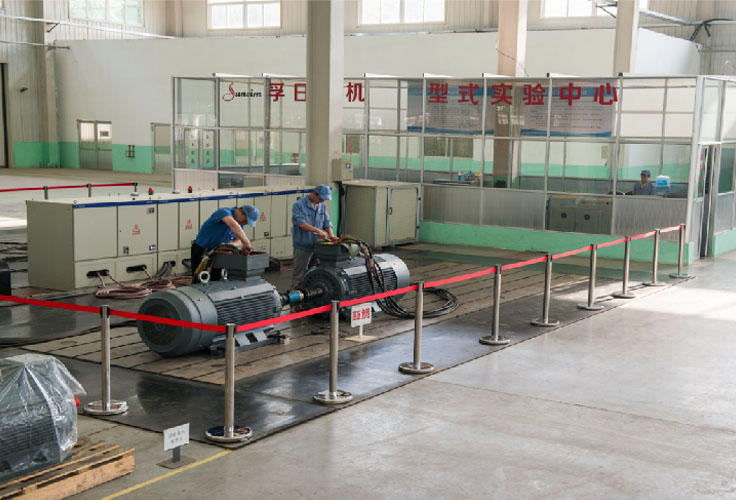
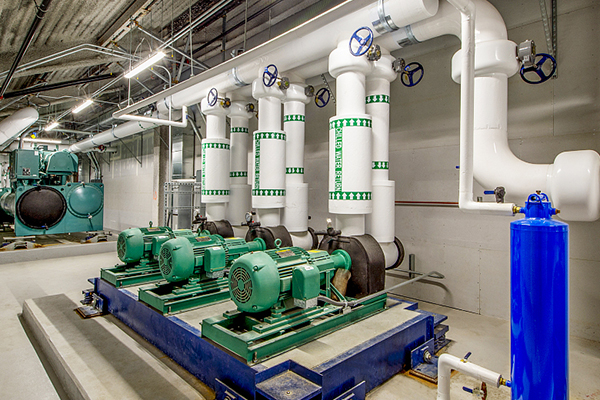
High-precision manufacturing equipment ensuring structural integrity, tight dimensional tolerances, and optimal rotor dynamics.
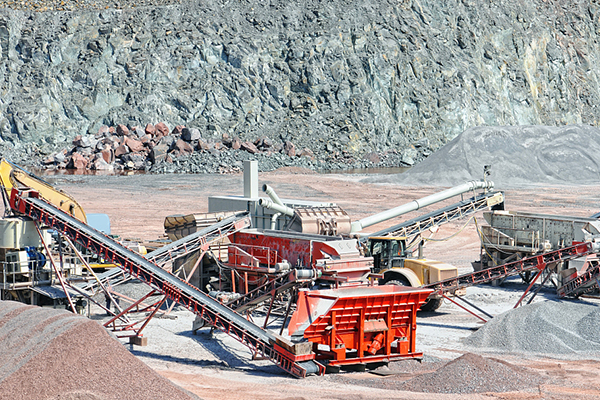
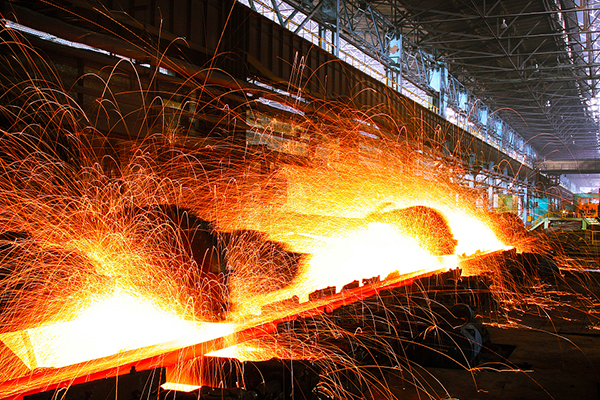
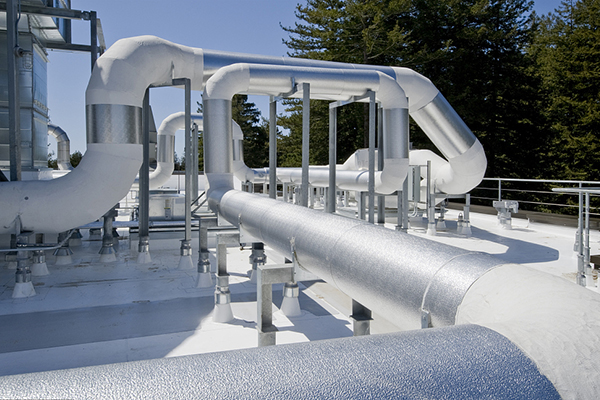
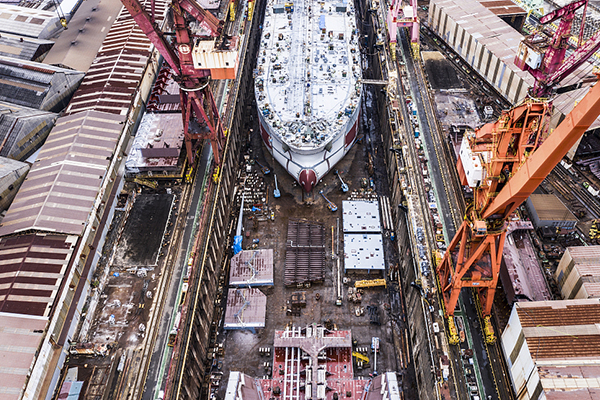
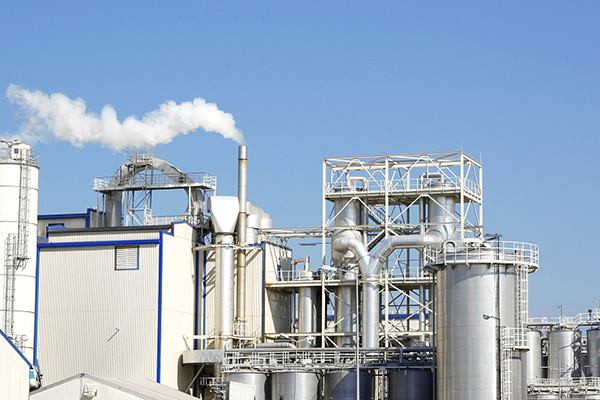
Our heavy-duty drive engines and specialized pump architectures are optimized for demanding industrial applications worldwide.
Every product is tested to meet the high safety and performance standards of global markets.
ISO9001:2015
CE

UKCA
UL
SABS
CCS
ABS
DNV
Maximizing Reliability, Dynamic Control, and Thermal Performance in Industrial Operations
A reliable high-quality pump pricelist should look beyond initial procurement costs. Total Cost of Ownership (TCO) assessments show that purchase price represents just 5% to 10% of a pump's complete lifecycle cost. Energy consumption accounts for roughly 85% of total expenses, with the remainder dedicated to maintenance and downtime.
Selecting premium motors, such as our permanent magnet synchronous motors (PMSM) or IE4 high-output induction motors, helps reduce overall lifecycle costs. These motors feature lower internal losses, optimized winding patterns, and superior thermal efficiency, allowing pumping systems to maintain high performance levels even under fluctuating loads.
Standard centrifugal pumps can struggle with highly viscous, chemically aggressive, or particle-laden media. These applications often require positive displacement or specialized screw impeller pumps. Driven by our variable-frequency converter-fed (YVF) motors, these pumps maintain steady flow velocities and stable torque under varying pressures.
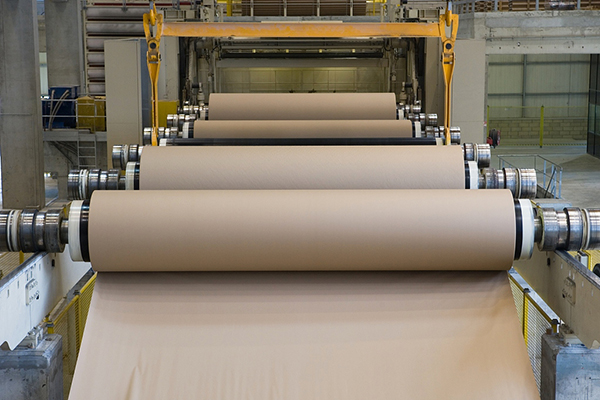
In municipal treatment plants or paper mills, raw sewage and pulp slurry can cause severe rotor-stator wear. Using our slip ring motors or YLKK modular high-voltage induction motors provides the high starting torque required to clear blockages and handle high concentration levels without motor burnout.
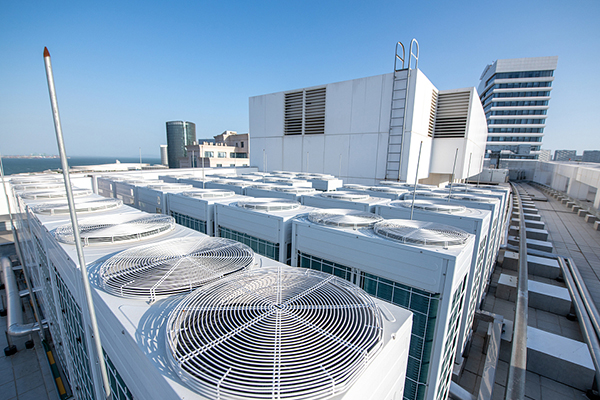
In demanding environments like metallurgical plants or marine engine rooms, ambient temperatures can exceed 50°C. Standard motor enclosures may struggle to dissipate heat effectively under these conditions, risking insulation degradation and coil failures.
To address this, our Y2 rib-cooled motors feature advanced external cooling channels and aerodynamically designed fans. This construction maximizes heat dissipation, ensuring stable thermal performance and extending the service life of both motor and pump components.
The future of industrial pumping lies in intelligent, automated control. Modern facilities use vibration sensors, thermographic probes, and smart drives to monitor system health in real time. Our YVF converter-fed high-output motors integrate seamlessly with industrial automation systems, enabling precise flow control and predictive maintenance scheduling before failures occur.
Detailed answers to common engineering questions regarding pump efficiency, pricing structures, and motor configurations.
High-durability configurations designed for demanding marine, mining, chemical, and heavy-duty agricultural operations.
 Sunvim Motor