OEM PMSM Driver Manufacturers & Companies

Deep-Dive Technical Whitepaper: High-Efficiency Permanent Magnet Synchronous Motor Controls, Vector Control Topologies, & Global Sourcing Standards

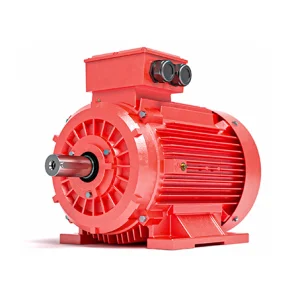
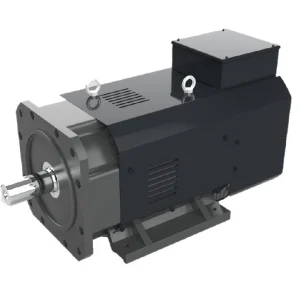
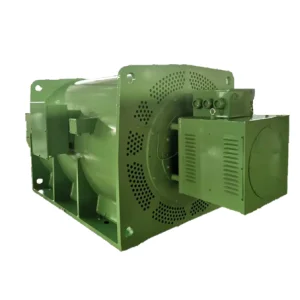
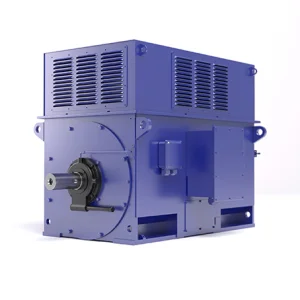
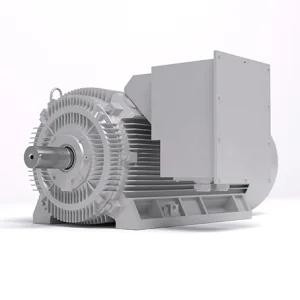
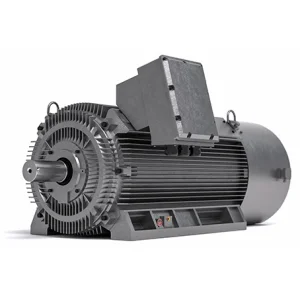
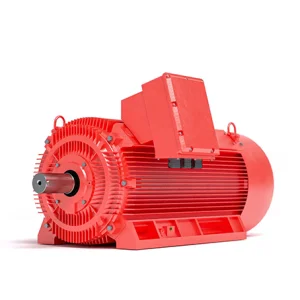
High-Performance Industrial Electric Motors

Engineered for precise variable speed control, dynamic responsiveness, and uncompromising systemic energy efficiency.
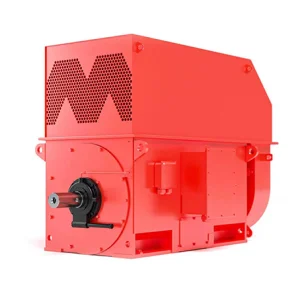
1. The Global Shift in Industrial Electrification

In modern heavy industry, the focus has moved beyond simple component reliability to comprehensive system optimization. Permanent Magnet Synchronous Motors (PMSM) are at the center of this change. Unlike traditional induction motors, which depend on induced currents within the rotor, PMSMs leverage high-energy permanent magnets to establish a synchronous, highly responsive magnetic field.

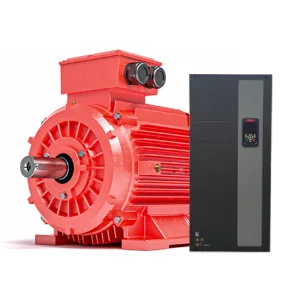
A PMSM system's potential is realized through its companion controller: the **PMSM Driver**. This drive coordinates the complex electromagnetic field shifts within the motor, making it a critical asset for modern high-precision industries.

Why Drivers Dictate PMSM Performance: Industrial PMSM drives handle sensorless Vector Control (Field-Oriented Control) to read back-electromotive force (Back-EMF). This enables real-time rotor positioning within fractions of a microsecond without requiring delicate physical encoders in harsh production environments.
Global Procurement Impact: Selecting an OEM driver manufacturer requires evaluating system efficiency (IE4/IE5 limits), thermal performance under continuous duty cycles, electromagnetic compatibility (EMC/EMI), and global regulatory certifications.

2. Technical Architecture & System Topologies

Understanding the engineering principles behind advanced Field Oriented Control (FOC) and Space Vector Pulse Width Modulation (SVPWM).

Field-Oriented Control (FOC)

By decoupling the stator current vectors into torque-producing (q-axis) and flux-producing (d-axis) currents, FOC allows the drive to manage speed and torque independently. This enables instantaneous dynamic torque response and optimal control even at zero speed.

Silicon Carbide (SiC) Power Stages

Modern OEM PMSM drives increasingly use wide-bandgap Silicon Carbide (SiC) MOSFETs instead of traditional silicon IGBTs. This technology yields higher switching frequencies, reduced thermal dissipation, and drive efficiencies exceeding 98.5%.

High-Frequency Injection (HFI)

For sensorless control at low speeds and locked-rotor conditions, advanced drivers inject high-frequency test signals to track rotor magnetic anisotropy (salient poles). This guarantees continuous control without optical or magnetic feedback.

3. Shandong Sunvim Motor Co., Ltd.

Case Study: A 60-Year Industrial Manufacturing Heritage Driving Tomorrow's Electrification Ecosystem.

Empowering Global Industry Since 1963

Backed by the resources of the multi-billion RMB Sunvim Group, Shandong Sunvim Motor Co., Ltd. represents over six decades of electric motor research and manufacturing development. Following a strategic corporate transformation in 2022, we built a modern, high-standard production ecosystem optimized for precision OEM/ODM motor and drive systems.

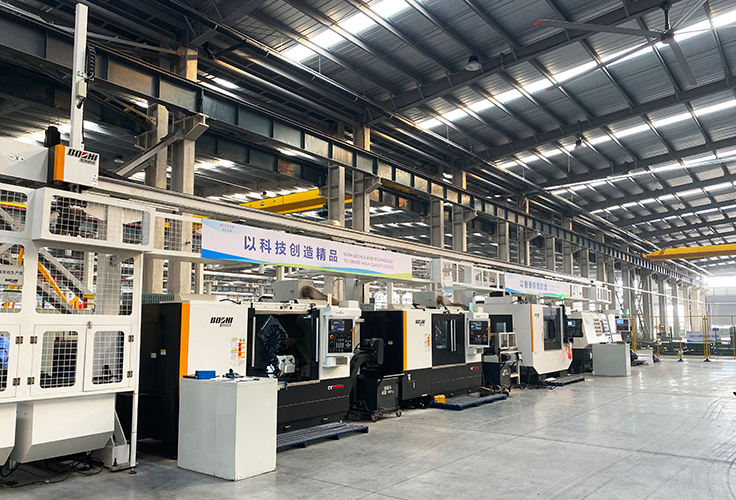
Our facility spans 68,000 m² of state-of-the-art space, housing more than 400 sets of automated manufacturing, precision testing, and quality control systems. Our annual production capacity reaches 3 million kilowatts, supplying demanding markets in Germany, Italy, Spain, Belgium, Australia, Singapore, and beyond.
1963
Est. Heritage
60+ Years of Manufacturing Expertise
220M
RMB Capital
Strategic Investment in Automation
68,000㎡
Total Facility
High-Precision Production Ecosystem
3 Million
kW Capacity
Scalable Global Annual Output

World-Class Precision Equipment & Infrastructure

Automatic Machining Line Of Shaft

Automatic Shaft Machining

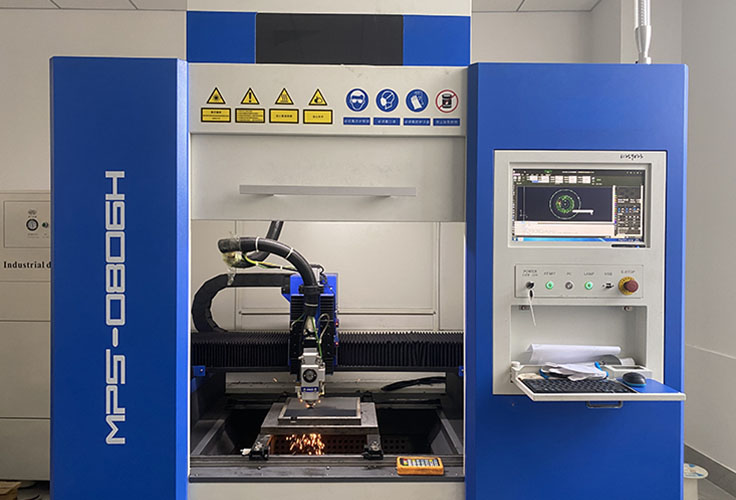
Laser Cutter

CNC Laser Cutter

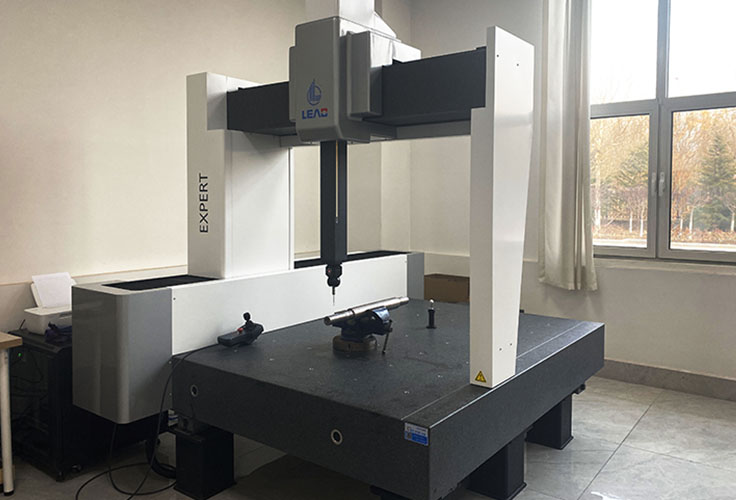
Three Dimensional Coordinate Measuring Instrument

3D Coordinate Metrology

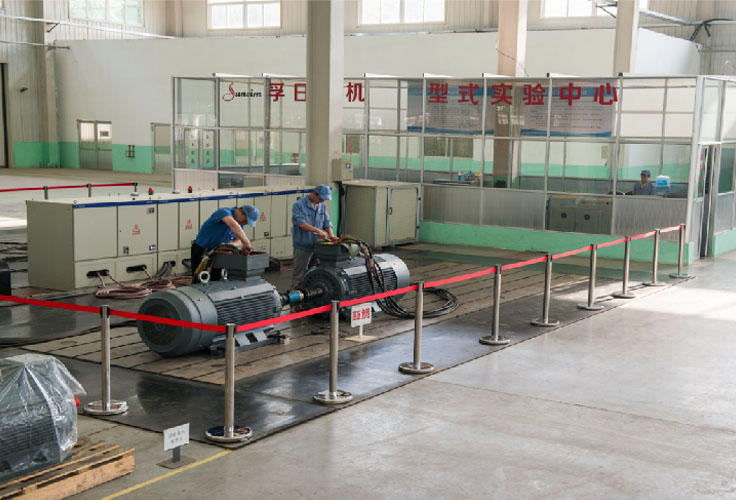
Type Test Center

Advanced Type Test Center

Our Engineering Journey

Over 60 years of industrial development, evolving from local component manufacturing to high-efficiency global drive systems.

1963 - Foundations of Manufacturing

Gaomi Electric Appliance Factory is established, marking our entry into industrial manufacturing. By 1988, Weifang Electric Machinery Factory was formed to focus on rotating machinery development.

1987 - Growth of the Sunvim Brand

Mr. Sun founded the predecessor of the Sunvim Group, establishing a strong capital foundation and introducing modern corporate management systems.

2008 - Strategic Integration

Sunvim Group acquired Weifang Electric Machinery Factory, merging their production capacity and technical resources under the name Shandong Sunvim Electrical Machinery Co., Ltd.

2022 - A New Era of High-Efficiency Motion Control

A state-of-the-art facility is completed inside the Sunvim Industrial Park, and the company is renamed Shandong Sunvim Motor Co., Ltd. to support the next generation of PM motors and variable frequency drive solutions.

4. Macro Industrial Applications

Sunvim designs robust PMSM motor and control systems to meet the specific technical and environmental demands of heavy industry.


Mining Machinery
Mining Machinery
Metallurgy
Metallurgy
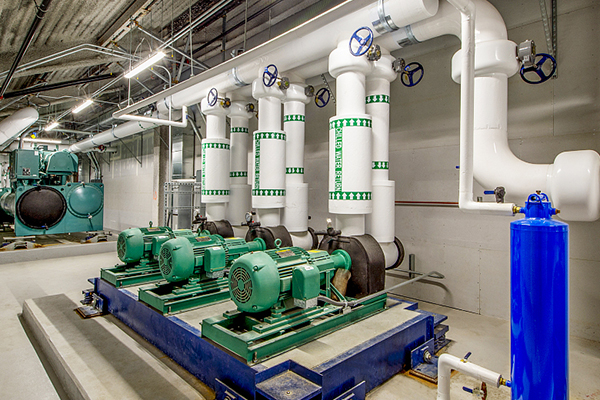
Ventilation
Ventilation & HVAC
Agricultural Irrigation
Shipbuilding
Shipbuilding & Marine
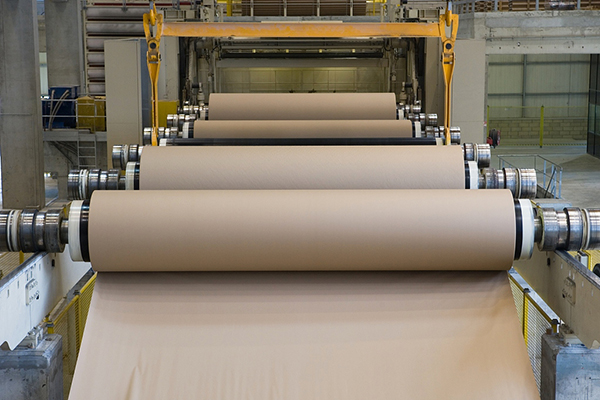
Pulp and Paper
Pulp and Paper
Compressor
Air Compressors
Chemical
Chemical Processing
Wind power
Wind Power Systems

5. Global Compliance & Certifications

Every Sunvim motor and drive system is tested, certified, and engineered to meet international safety and environmental regulations.

ISO9001:2015

ISO 9001: 2015

CE

CE Mark

UKCA

UKCA Compliance

UL

UL Standards

SABS

SABS Certification

CCS

CCS Marine

ABS

ABS Classification

DNV

DNV Quality Assurance

6. Q&A / Technical FAQ

Answers to critical questions asked by procurement directors, electrical integrators, and system architects during PMSM driver evaluation.

Why do Permanent Magnet Synchronous Motors (PMSM) require a dedicated driver?
Unlike standard AC induction motors, which can start direct-on-line (DOL) by drawing power directly from the grid, a PMSM cannot start directly from a standard AC power source due to the inertia of its rotor magnets. It must be energized by high-frequency pulses synchronized to the rotor's physical position. A dedicated PMSM driver continuously measures the rotor position (via encoder or back-EMF estimation) and applies exact voltage and frequency combinations to maintain synchronicity. Running a PMSM without a properly tuned driver leads to immediate slip and thermal overload.
What are the primary differences between Surface-Mounted (SPMSM) and Interior (IPMSM) motor drivers?
Surface permanent magnet motors (SPMSM) position their magnets on the outer edge of the rotor. This design offers minimal magnetic saliency (where Ld matches Lq) and generates torque almost entirely from electromagnetic force. Their drivers use straightforward FOC algorithms. Interior permanent magnet motors (IPMSM) embed magnets inside the rotor core. This introduces high saliency (where Lq is greater than Ld), producing additional reluctance torque. Drivers for IPMSMs use advanced Maximum Torque Per Ampere (MTPA) algorithms to leverage this reluctance torque, yielding higher efficiency and a wider speed range through field-weakening techniques.
How does a sensorless PMSM driver accurately track rotor position at zero speed?
At nominal speeds, sensorless drivers track the rotor by measuring the voltage generated as the magnets sweep past the stator windings (Back-EMF). However, when the motor is stopped or running very slowly, this Back-EMF drops to zero, rendering standard estimation algorithms ineffective. To solve this, advanced industrial drivers use High-Frequency Injection (HFI) or Flux Observer algorithms. By injecting a low-amplitude, high-frequency voltage signal into the motor windings, the driver monitors the resulting current response. The slight magnetic variations caused by the rotor's internal magnets allow the driver's signal processor to locate the rotor precisely and start the motor under full load without requiring a physical encoder.
What are the practical benefits of upgrading from traditional induction motors to PMSMs with VFD control?
The core benefit is system efficiency, especially when operating at partial loads. While induction motors experience high rotor slip losses and drop in efficiency under fractional loads, PMSMs maintain flat efficiency curves across their speed range, easily meeting IE4 or IE5 standards. For a typical continuous-duty industrial pump or fan, this conversion typically reduces operating energy costs by 15% to 30%, leading to rapid payback on initial capital expenditure.
How do SiC MOSFET drivers improve industrial motor control?
Silicon Carbide (SiC) power modules offer significantly lower switching losses compared to standard silicon IGBTs. This allows the driver to run at higher switching frequencies (e.g., above 16 kHz to 20 kHz) without overheating. High switching frequencies produce cleaner sinusoidal current waveforms, which reduces high-frequency harmonic distortion, lowers motor operating temperatures, and minimizes acoustic noise. Additionally, SiC-based drives are physically smaller, helping engineers save cabinet space.
What electrical and physical protections should OEM PMSM drivers provide in harsh environments?
To ensure reliable operation in demanding environments, industrial-grade OEM PMSM drivers must feature comprehensive protective systems. Key safety measures include Safe Torque Off (STO) to instantly remove motor power in emergencies, over-voltage/under-voltage protection, phase-to-phase and phase-to-ground short circuit detection, and integrated thermal monitoring. For wet or dusty environments, drivers should be housed in IP55/IP66 enclosures or installed in clean electrical cabinets equipped with dv/dt output filters. These filters protect motor winding insulation from voltage spikes caused by long cable runs.

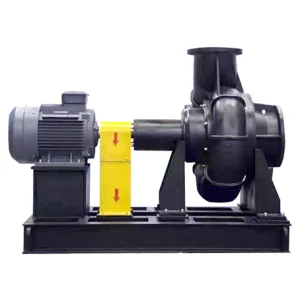
Advanced Special Purpose Motors & Pumps

Engineered for specialized industrial environments, extreme-duty cycles, and custom process configurations.