Highly engineered industrial motor configurations designed to meet rigorous standards
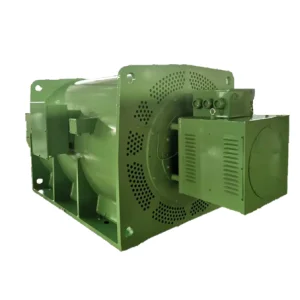
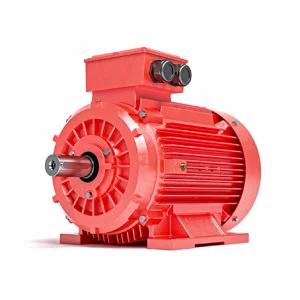
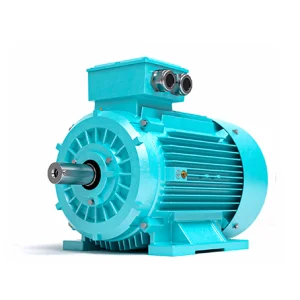
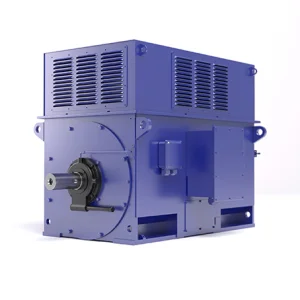
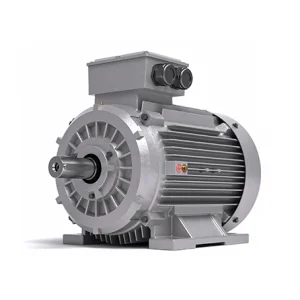
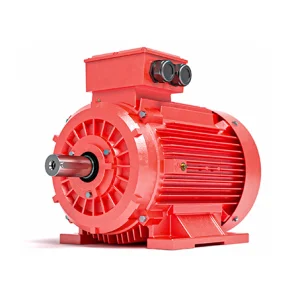
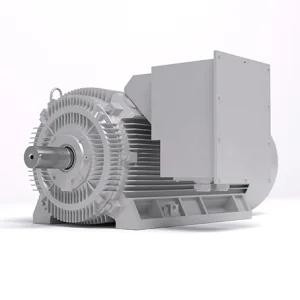
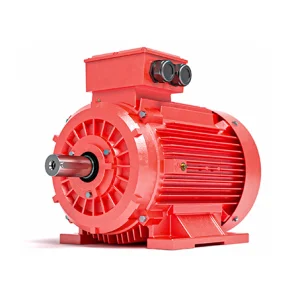
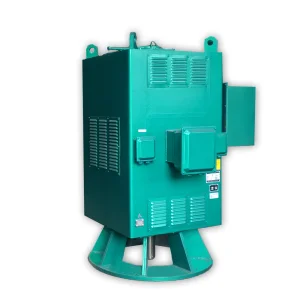
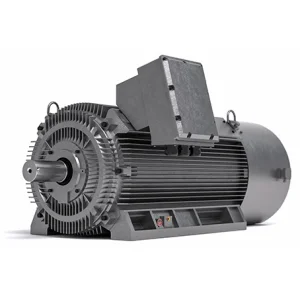
Across the industrial landscape of the United States—from the copper mines of Arizona to the massive cement production facilities in Texas—heavy machinery requires massive starting torque under severe load conditions. Traditionally, squirrel cage induction motors struggle with these applications due to high inrush currents, which can place immense stress on localized electrical grids. This is where the Slip Ring Motor (Wound Rotor Induction Motor) acts as the vital powerhouse of modern infrastructure.
By integrating an external resistance circuit connected via carbon brushes to the rotor windings, slip ring motors allow for precise current limitation and torque modulation during start-up cycles. This unique capability ensures compliance with US utility grid regulations (such as IEEE 519 harmonics limitations) and prevents costly voltage dips, safeguarding adjacent manufacturing operations and municipal power networks.
Unlike standard short-circuited rotors in squirrel cage designs, a wound rotor motor utilizes a three-phase distributed winding designed to match the stator's pole configuration. The terminal ends of these rotor windings are connected to high-purity copper or bronze slip rings.
During the starting phase, the insertion of variable liquid rheostats or step-resistors shifts the motor's operating point along its torque-speed curve, allowing maximum torque (breakdown torque) to be achieved at near-zero speed. As the motor accelerates, the external resistance is gradually bypassed, optimizing running efficiency while mitigating heat dissipation issues within the rotor body.
Market context and regulatory updates shaping heavy electrification
The international industrial electric motor sector is experiencing a major paradigm shift driven by efficiency mandates and the decarbonization of supply chains. While European markets rapidly adopt IEC IE4 and IE5 efficiency regulations, the United States market relies heavily on NEMA Premium efficiency guidelines, overseen by the Department of Energy (DOE).
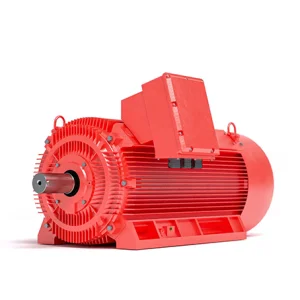
However, for specialized heavy industries utilizing high-voltage motors (above 2300V up to 13.8kV), starting dynamics remain the dominant engineering concern. Slip ring motors continue to hold a massive share of the US heavy machinery market because VFDs (Variable Frequency Drives) capable of controlling megawatt-class motors represent substantial initial capital costs and introduce complex harmonic distortion into local power lines.
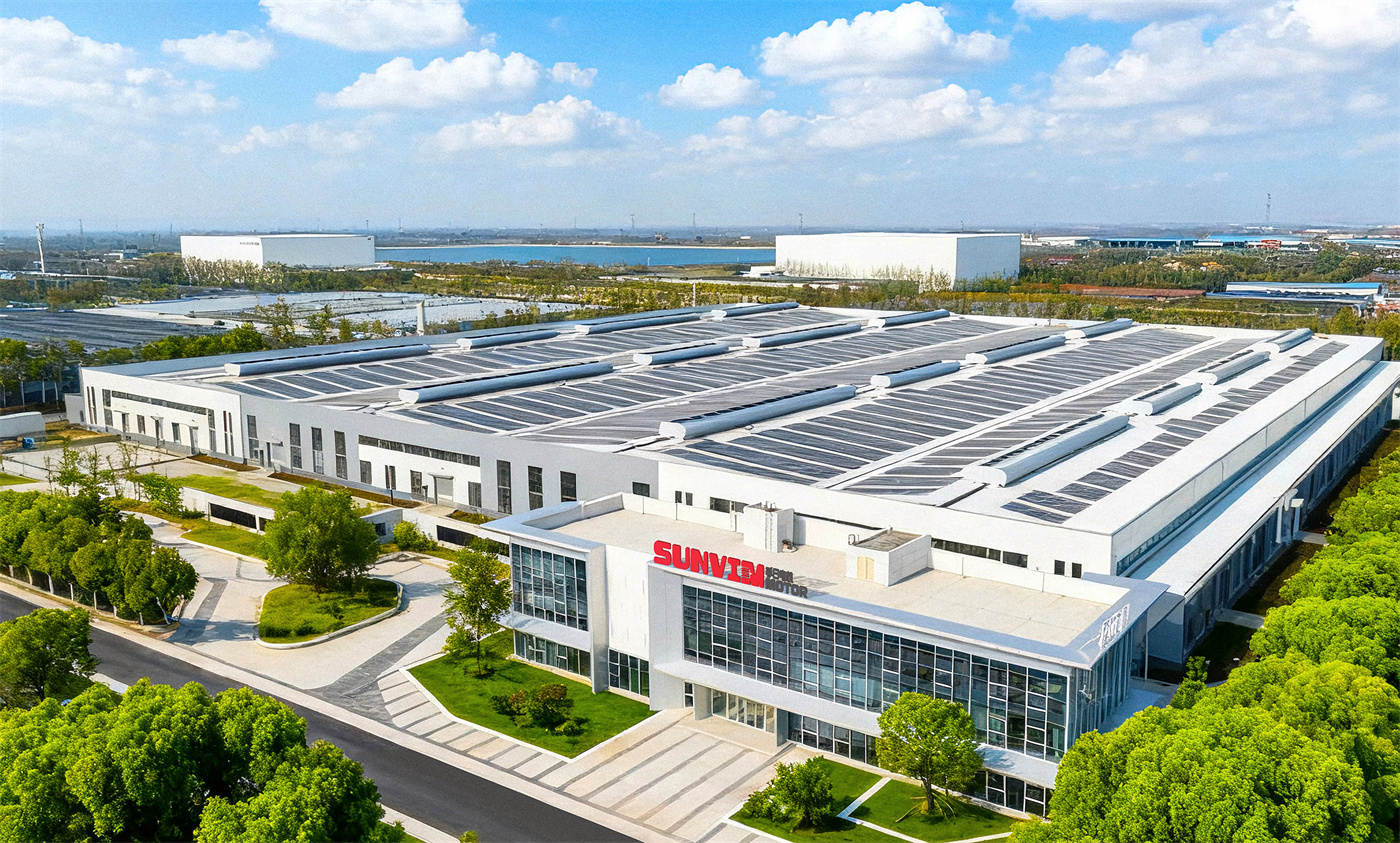
Shandong Sunvim Motor Co., Ltd. is positioned at the intersection of global capacity and localized US requirements. Leveraging more than six decades of technical heritage, Sunvim manufactures custom slip ring motors that incorporate advanced thermal management and robust mechanical enclosures. These machines are engineered to operate reliably in harsh outdoor environments, from coastal marine applications to highly abrasive rock quarries.
Empowering Global Heavy Industries Since 1963
Backed by the resources of the Sunvim Group—a multi-billion RMB conglomerate—Shandong Sunvim Motor Co., Ltd. has established a modern industrial manufacturing ecosystem optimized for the global marketplace. In 2022, a major corporate transformation culminated in the construction of a state-of-the-art manufacturing facility covering 68,000 m², with a 53,000 m² production footprint.
Our manufacturing facility houses more than 400 advanced machine setups, ranging from precision testing arrays to automated mechanical fabrication lines. This enables us to maintain an annual capacity of 3 million kilowatts, supplying high-performance electric motors to OEM partners and heavy industrial end-users across Europe (Germany, Italy, Spain, Greece, Belgium, Denmark), South Africa, Australia, Singapore, and the United States.
State-of-the-art machinery ensuring long-term operational reliability
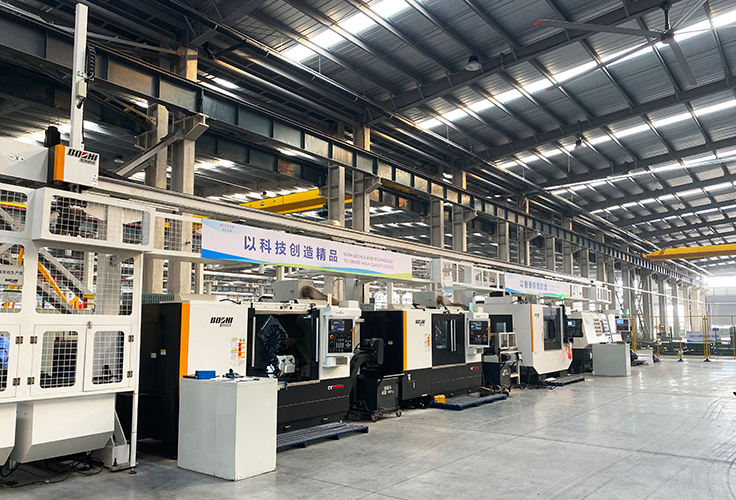
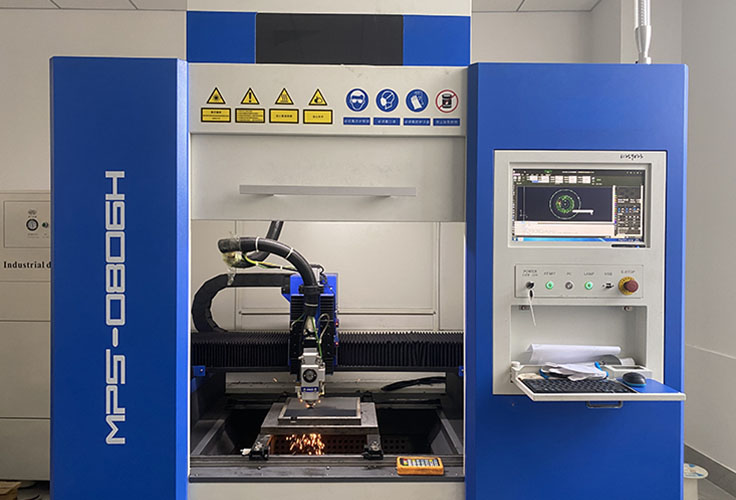
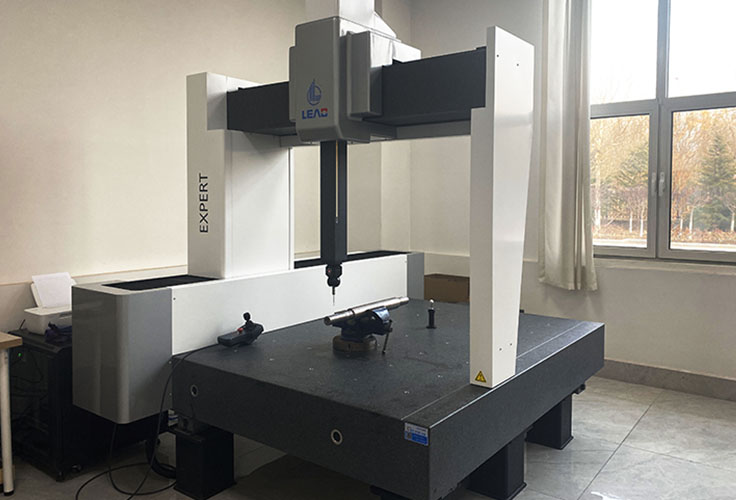
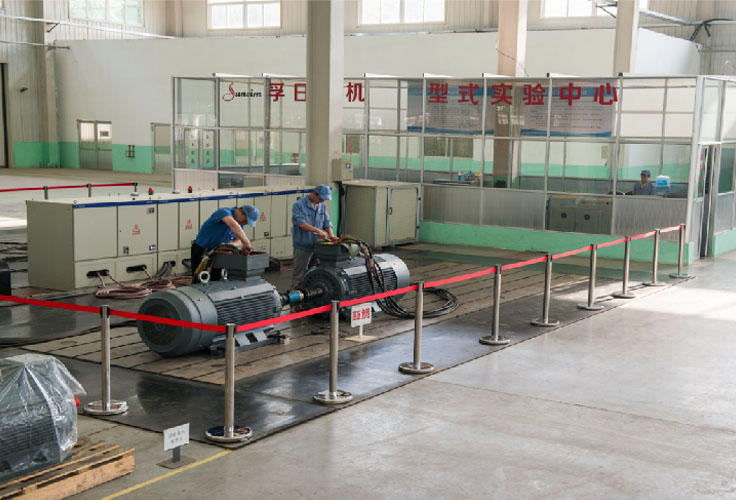
Precision machining is critical to preventing mechanical failure in slip ring assemblies. Our Automatic Shaft Machining Line produces shafts with micro-level tolerances, reducing dynamic runout and shaft vibration—the primary causes of carbon brush wear and uneven slip ring oxidation.
Additionally, our Type Test Center subjects every custom motor build to simulated full-load operating conditions. This verification process tests dielectric strength, winding insulation integrity, and thermal performance, ensuring every motor is ready for direct installation upon arrival in the US.
Engineered for high inertia loads and challenging operating environments
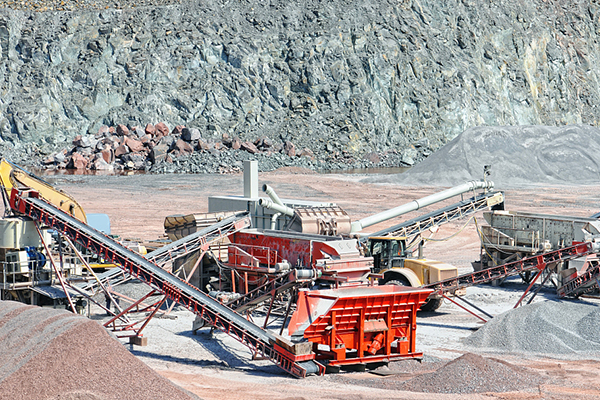
Delivering high starting torque for heavy ore crushers, ball mills, and conveyors in mining sites.
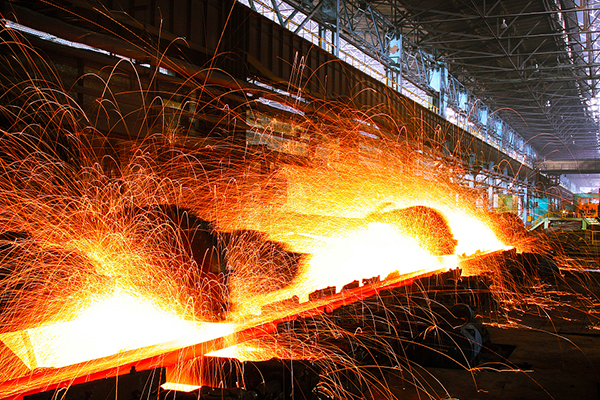
Designed to withstand extreme ambient temperatures and rapid load variations in steelworks.
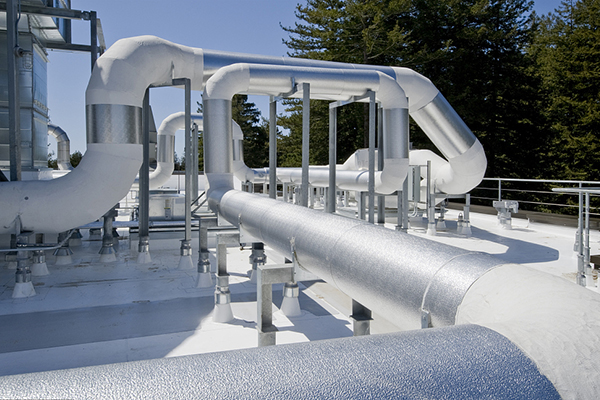
Powering high-capacity exhaust fans for subterranean shafts and manufacturing plants.
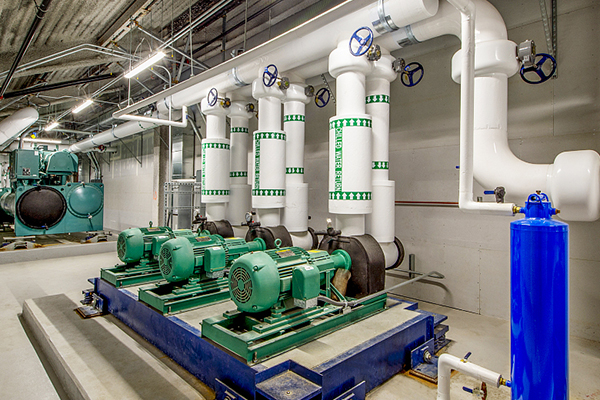
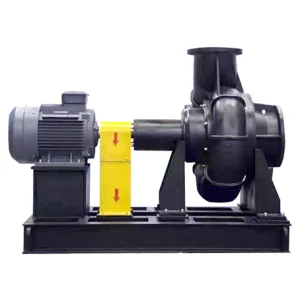
High-reliability pump drives designed to operate continuously across vast regional farmlands.
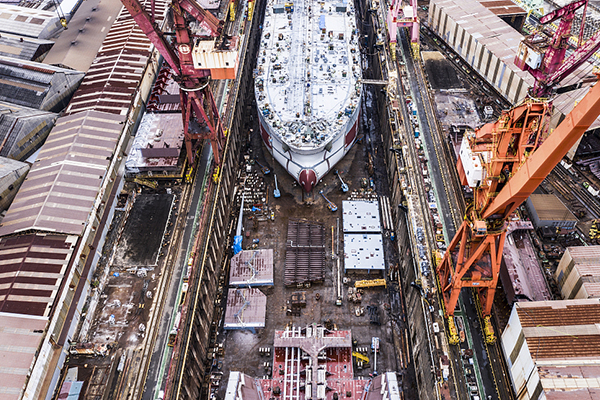
Corrosion-resistant enclosures engineered for offshore marine decks and propulsion needs.
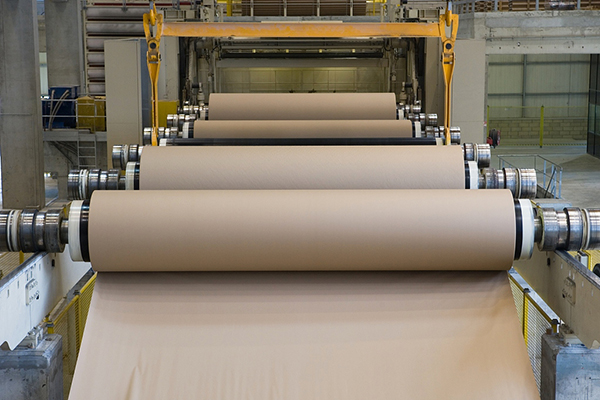
Smooth torque delivery under constant loads, optimizing wood processing and refining lines.
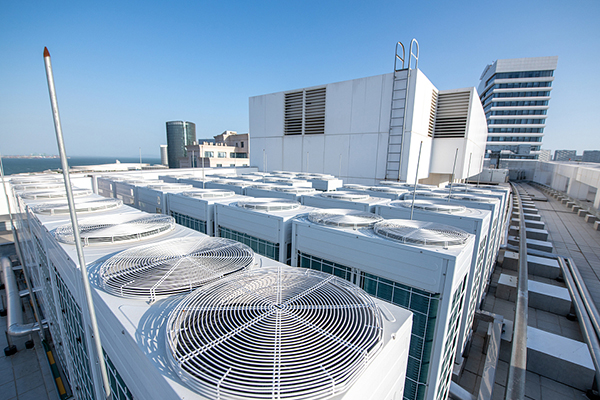
High-power density solutions designed for continuous gas compression and chemical processing.

Explosion-proof structural options tailored for hazardous chemical mixing and processing plants.

Doubly-fed induction generators (DFIGs) optimized for grid synchronization and clean energy capture.
Next-generation innovations in wound rotor induction motor design
Operating large electric motors requires minimization of unscheduled downtime. Sunvim is actively developing integrated sensor arrays for real-time monitoring of brush wear, slip ring temperatures, and vibration signatures. This IoT telemetry interfaces directly with plant control rooms, allowing maintenance teams to schedule carbon brush changes before failure occurs.
Traditional carbon-graphite brushes are sensitive to humidity and dust. Sunvim is introducing silver-graphite and metal-infused carbon brushes combined with helical groove slip ring designs. This optimization improves current density distribution, limits brush sparking, and extends maintenance intervals.
For advanced process speed regulation, Sunvim offers specialized hybrid controls. During the initial starting sequence, external resistors manage torque and starting current. Once the motor reaches operating speed, a compact variable frequency drive controls speed regulation within a narrow, efficient operating window. This approach reduces overall capital expenditure.
To survive chemical exposure and coastal moisture, all high-voltage stator and rotor windings undergo automated Class H Vacuum Pressure Impregnation. Using solventless epoxy resins, VPI fills all voids in the insulation structure, creating a highly rigid, moisture-resistant winding system that maximizes operational life.
Global standards ensuring compliance with international market codes

ISO9001: 2015
CE Standard

UKCA Quality Compliance

UL Listed / Recognized
SABS Approved
CCS Marine Certified
ABS Classification
DNV Marine Classification
A heritage of manufacturing excellence dating back to 1963
Establishment of the Gaomi Electric Appliance Factory, beginning our first generation of electrical equipment manufacturing. Later renamed as Weifang Electric Machinery Factory in 1988.
Mr. Sun, then the factory director, left Gaomi Electric Appliance Factory to establish Gaomi Towel Factory, building the manufacturing foundation of what would become the Sunvim Group.
Weifang Electric Machinery Factory was formally acquired by Sunvim, and Shandong Sunvim Electrical Machinery Co. Ltd. was established to scale high-voltage motor production.
A new, modernized factory completed construction in the Sunvim Industrial Park. The business was renamed as Shandong Sunvim Motor Co. Ltd. to reflect its global manufacturing role.
Detailed engineering explanations for project planning
Precision-engineered solutions built to international standards
 Sunvim Motor