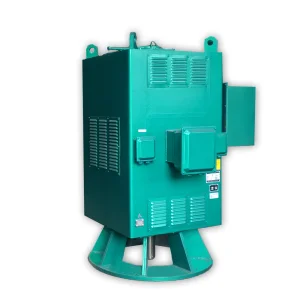
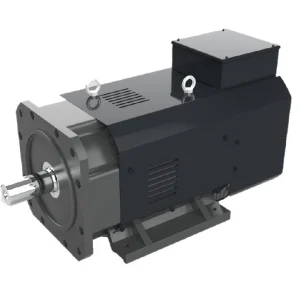
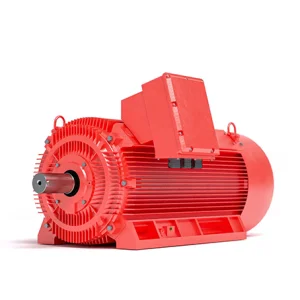
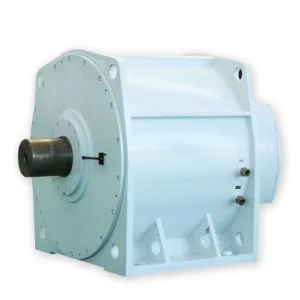
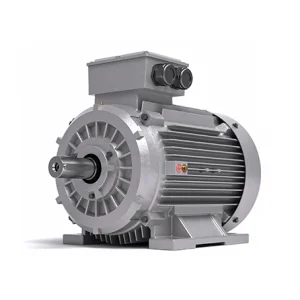
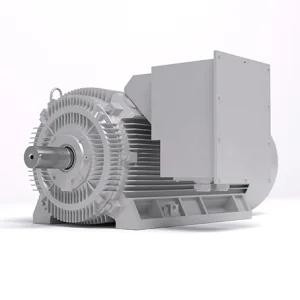
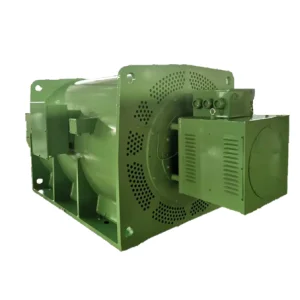
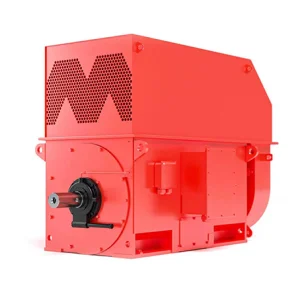
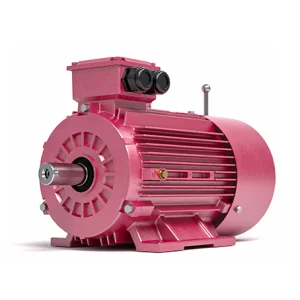
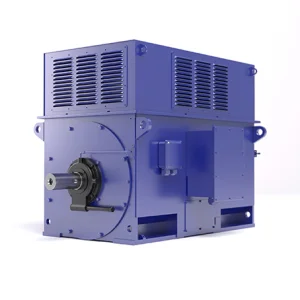
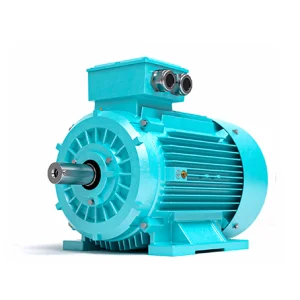
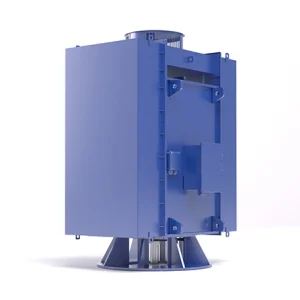
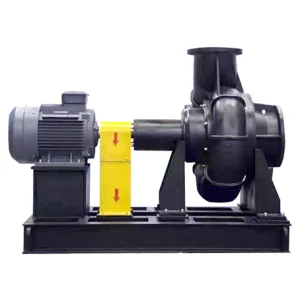
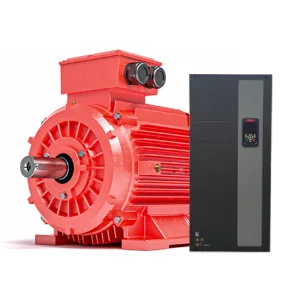
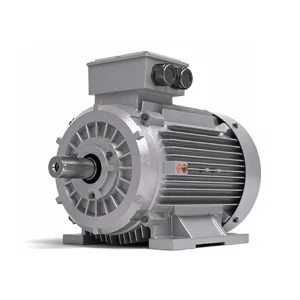
Engineered for extreme reliability, maximum torque efficiency, and continuous duty operations under demanding environmental conditions.
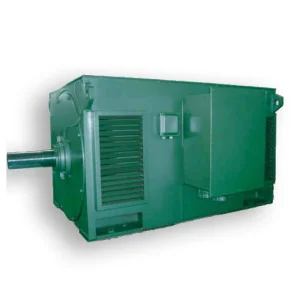
For over six decades, we have defined the engineering standards of electric motor research, manufacturing, and technology innovation. Our state-of-the-art facilities deliver high-precision engineering solutions to global partners.
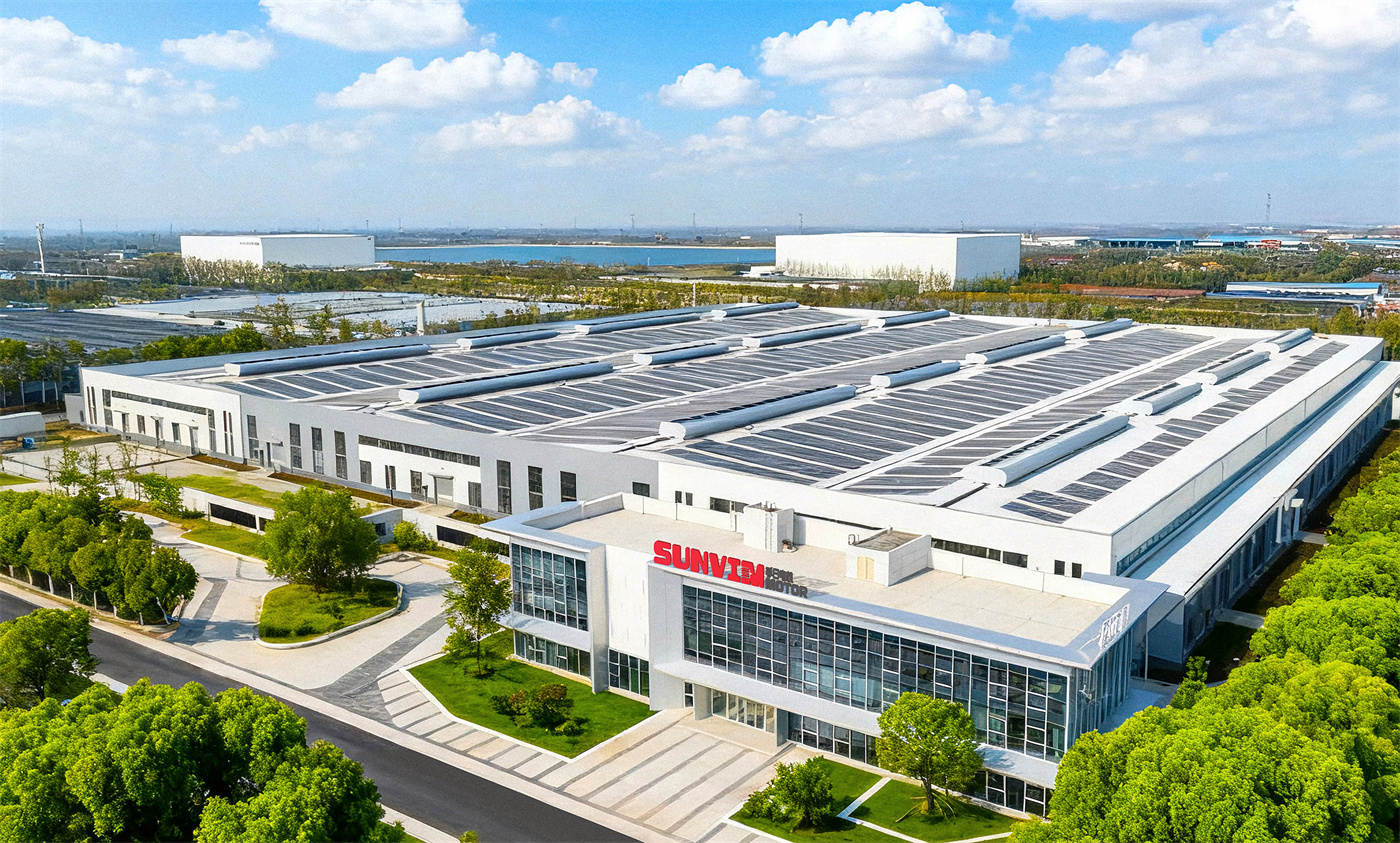
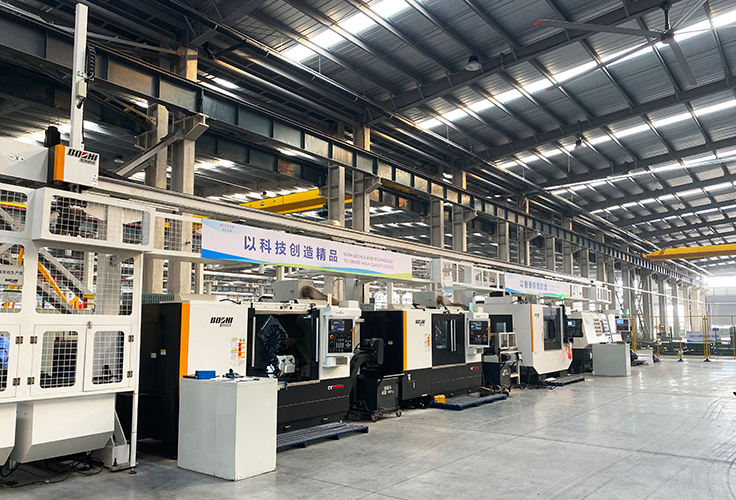
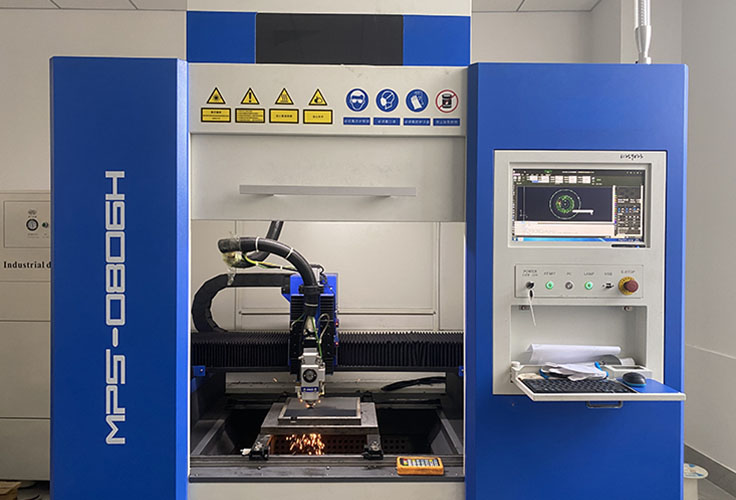
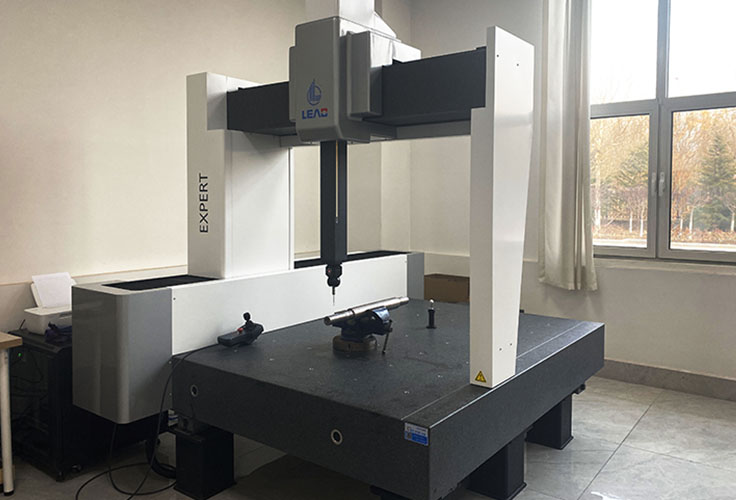
Backed by the robust resources of Sunvim Group—a multi-billion RMB conglomerate—Shandong Sunvim Motor Co., Ltd. benefits from exceptional financial stability and long-term strategic growth capability. Our modern industrial complex houses over 400 sets of advanced manufacturing, precision testing, and automated supporting equipment, driving an annual production capacity of up to 3 million kilowatts.
Today, the SUNVIM brand has earned widespread international recognition. Our high-performance electric motors and custom slipring rotors are trusted by global OEMs and industrial buyers across premier markets, including Germany, Italy, Greece, Spain, Belgium, Denmark, South Africa, Slovakia, Australia, Singapore, Indonesia, Malaysia, and Taiwan.
Our smart factory integrates German and Swiss machinery lines, ensuring that every slipring rotor and stator module meets strict zero-defect standards.
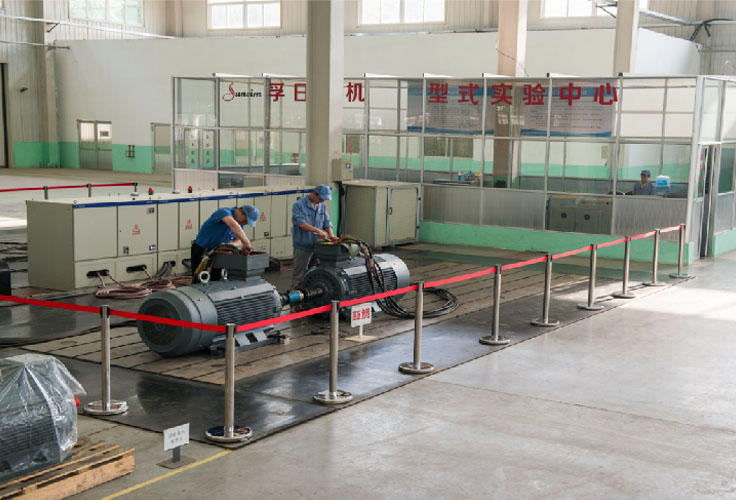
An authoritative technical analysis of Wound-Rotor Induction Motors (WRIM), examining startup torque performance, mechanical limits, global procurement criteria, and future technology pathways.
The Slipring Rotor, also known as the wound rotor, remains an irreplaceable technology for driving high-inertia heavy industrial machinery. Unlike standard squirrel-cage induction rotors, the slipring rotor features a three-phase distributed winding designed to mirror the stator winding. These rotor windings are routed externally via high-conductivity brass or copper slip rings and spring-loaded carbon brushes, allowing for the integration of external resistance banks.
By inserting external impedance into the rotor circuit, engineering teams can temporarily alter the electrical characteristics of the motor. This yields two crucial mechanical advantages:
As industry shifts toward smart digital ecosystems (Factory 4.0), slipring rotor technology is undergoing a major evolution. Sunvim’s research and development roadmap focuses on resolving traditional weaknesses, such as brush wear and atmospheric contamination in rough operating environments.
Wound-rotor induction motors serve as the workhorses of global infrastructure. To deliver maximum performance, slipring systems must be configured specifically for the operational demands of their respective environments:
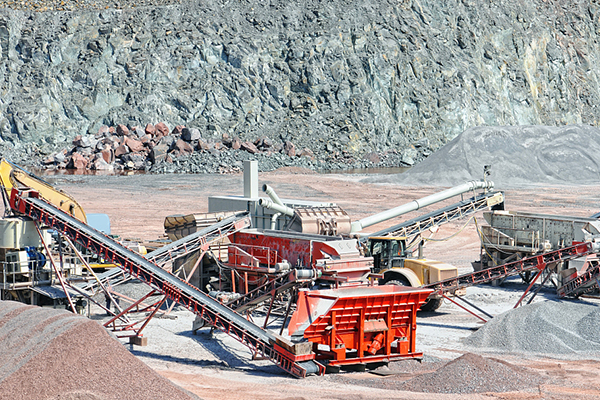
1. Heavy Mining & Aggregates: Ball mills, SAG mills, and heavy-duty rotary crushers require massive torque under stalled conditions. Sunvim's slipring motors are built with rigid shafts and reinforced rotor bars to handle high vibration and abrasive dust.
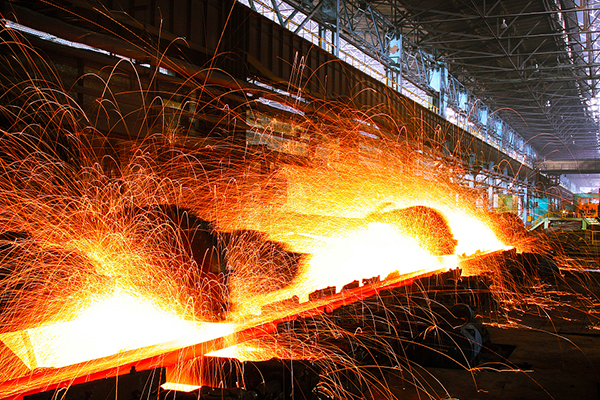
2. Metallurgy & Steel Mills: Large steel rolling mills require fast, controlled deceleration and high-frequency startup cycles. Our dynamic slipring systems are engineered with specialized thermal margins to handle recurrent overload conditions without fatigue.
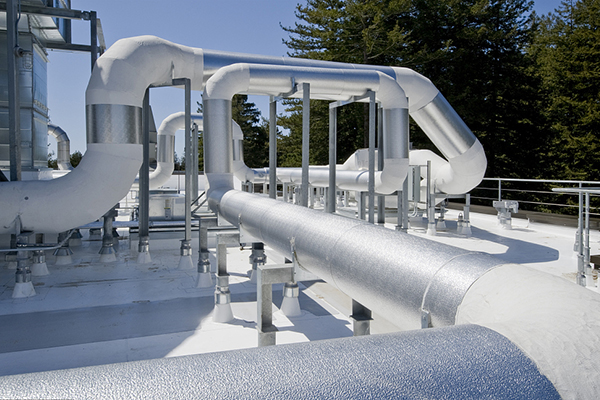
3. Municipal Water & Agricultural Irrigation: High-capacity pumps require gentle start-up curves to prevent hydraulic water hammer in long pipelines. Implementing our slipring motors ensures smooth, linear acceleration curves.
Shandong Sunvim Motor utilizes a fully vertically integrated supply chain in China. By housing lamination stamping, copper wire drawing, VPI treatment, rotor balancing, dynamic type testing, and final assembly in a single high-tech facility, we eliminate intermediate transport delays. This guarantees consistent material properties, strict quality compliance, and shortened lead times for high-volume orders.
We recognize that purchasing rotating machinery represents a decades-long capital commitment. Sunvim maintains localized service centers and partnerships across Europe, North America, Australia, and Southeast Asia. We ensure absolute regulatory compliance with regional electric standards including CE, UKCA, UL, SABS, and major marine shipping registries (CCS, ABS, DNV).
Modern procurement directors look beyond base unit costs. We focus on total cost of ownership (TCO). By offering highly efficient motor designs that minimize electrical losses and extend carbon brush maintenance intervals, Sunvim systems deliver measurable operational cost savings over their working lifetimes.
When selecting a slipring rotor supplier, procurement directors and engineering leads should request documentation detailing the following critical physical parameters to ensure long-term mechanical reliability:
Our slipring motors and custom rotating solutions operate reliably under severe conditions across primary global industries.
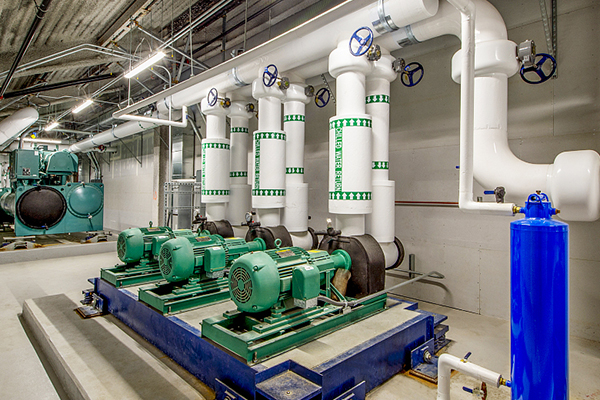
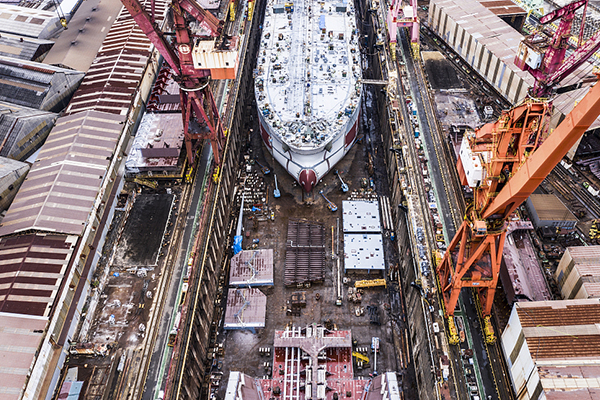
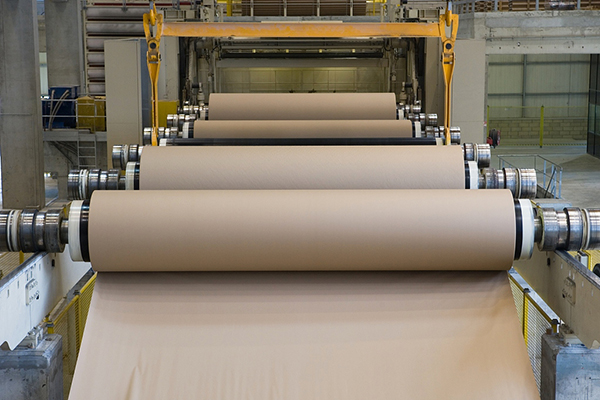
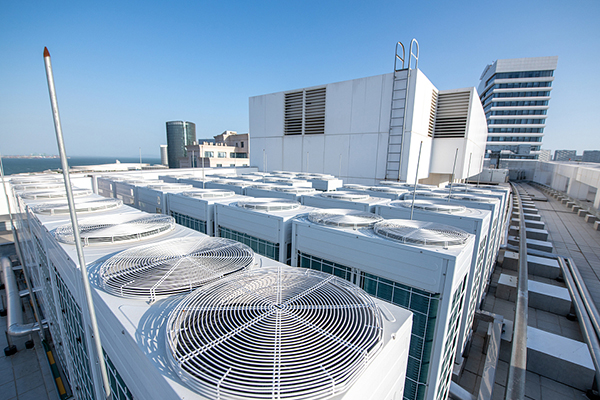


From an electric appliance workshop to an advanced global high-efficiency motor manufacturing complex.
Gaomi Electric Appliance Factory was established, laying the foundation of electric motor research. In 1988, the factory expanded and was renamed as Weifang Electric Machinery Factory, cementing its position in China's industrial manufacturing ecosystem.
Mr. Sun, the factory director, founded the Gaomi Towel Factory (predecessor of the Sunvim Group). This marked the birth of a major industrial group, preparing the way for subsequent capital injections and technology investments.
Weifang Electric Machinery Factory was formally acquired by the Sunvim Group, leading to the establishment of Shandong Sunvim Electrical Machinery Co. Ltd. This merger combined extensive technical heritage with deep financial resources.
Sunvim completed a newly modernized, high-capacity factory complex within the Sunvim Industrial Park, renaming the operation to Shandong Sunvim Motor Co. Ltd. to mark its entry into the high-efficiency smart motor sector.
Our engineering designs and manufacturing workflows are audited by major international certification bodies to ensure safety, efficiency, and reliability.


High-voltage three-phase asynchronous motors, synchronous reluctance systems, and custom pumps engineered to withstand demanding operating environments.
Get technical insights and professional answers directly from Shandong Sunvim's Senior Engineering and Design team.
 Sunvim Motor