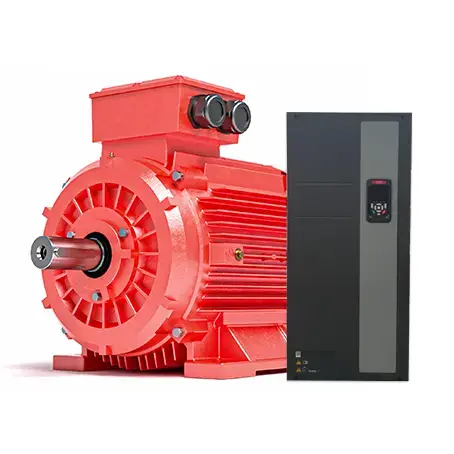
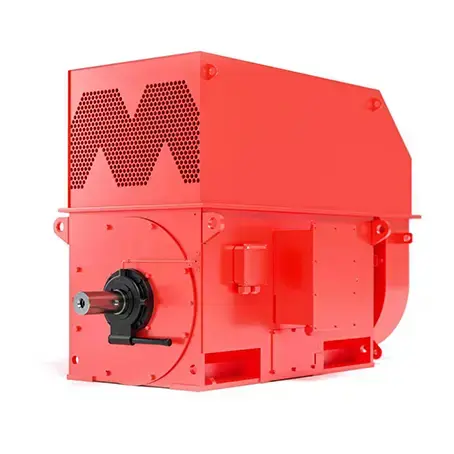
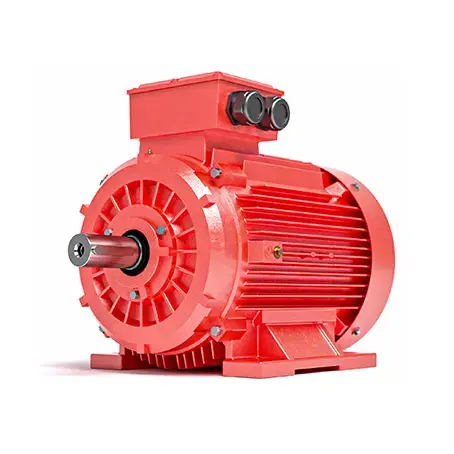
Explore our engineering-first, heavy-duty electrical components engineered with optimal stator geometry and advanced thermal cooling properties.
A rigorous industrial perspective on efficiency curves, dielectric engineering, and optimized total cost of ownership (TCO).
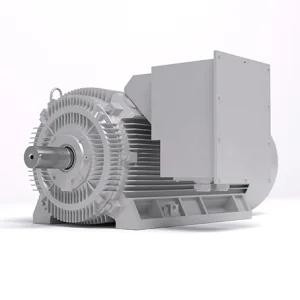
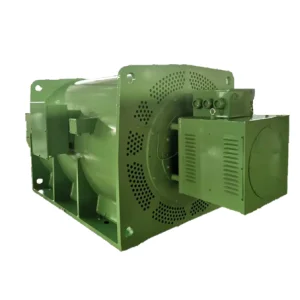
In modern industrial process engineering, the selection of heavy-duty electromechanical propulsion systems is a fundamental determinant of operational continuity and systemic efficiency. Within this paradigm, the 10kV high-voltage induction motor stands as a cornerstone technology, enabling large-scale mechanical transmission in harsh conditions. High-voltage three-phase asynchronous motors designed to operate at 10,000 volts (10kV) offer significant thermodynamic and electromagnetic advantages over low-voltage components, particularly when system configurations exceed a rated output of 200 kW to 25,000 kW.
Transitioning to high-voltage grids represents a critical approach to minimizing localized transmission line losses. Under Ohm’s and Joule’s Laws, electrical distribution losses are inversely proportional to the square of the operational voltage. Thus, by utilizing a 10kV stator winding structure, a facility reduces nominal and peak current levels, which minimizes core heat losses ($I^2R$). This permits the integration of slimmer conductor cross-sections, reduces thermal fatigue, and eliminates the requirement for local step-down sub-stations adjacent to heavy machinery. This structural efficiency translates into a significant reduction in plant capital expenditure (CAPEX) and long-term operational costs.
Utilizing high-grade Class F insulation systems with Class B temperature rise limitations. Features vacuum pressure impregnation (VPI) with premium epoxy resins to prevent partial discharge and corona degradation.
Equipped with advanced ventilation circuits including IC411 (Self-Ventilated Rib Cooled) and IC611 (Air-to-Air Heat Exchanger) layouts, ensuring uniform heat dissipation and preventing hot-spots in high-ambient environments.
Rotors are constructed from high-conductivity electrical silicon steel sheets, featuring precision-machined copper bars or cast aluminum cages that undergo G2.5 dynamic balancing to limit structural vibration.
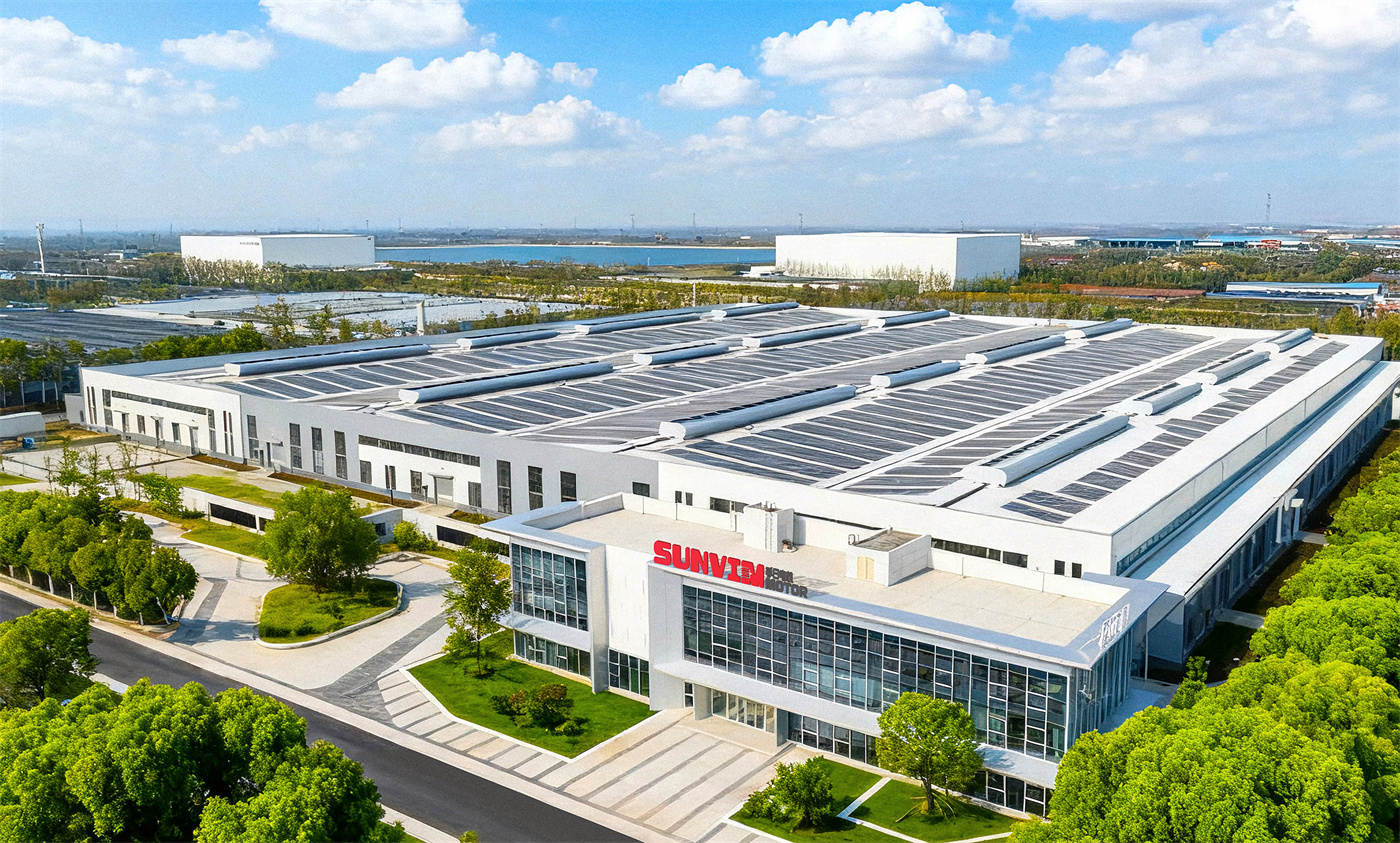
With over 60 years of deep-rooted expertise in electric motor research and manufacturing, Shandong Sunvim Motor Co., Ltd. represents the pinnacle of industrial innovation. Following a strategic corporate transformation in 2022, we have rapidly established a high-standard, modernized production ecosystem tailored for the future of global industry.
Backed by the powerful resources of Sunvim Group—a multi-billion RMB conglomerate—Shandong Sunvim Motor Co., Ltd. benefits from strong financial stability and strategic growth. Our expansive facilities house over 400 sets of advanced manufacturing, precision testing, and automated supporting equipment, driving an impressive annual production capacity of up to 3 million kilowatts.
"Today, Sunvim Motor has evolved into a premier enterprise seamlessly integrating R&D, world-class manufacturing, global distribution, and dedicated customer service. The SUNVIM brand has earned widespread international recognition, trusted by global OEMs and industrial buyers across Germany, Italy, Greece, Spain, Belgium, Denmark, South Africa, Australia, Singapore, and beyond."
Established Base Year
Capital Investment (RMB)
Facility Total Area
Annual Productive Output
Trace the historical growth of Shandong Sunvim Motor from local operations to a dominant global force.
Establishment of Gaomi Electric Appliance Factory, beginning research into structural electromagnetic devices. In 1988, the company transitioned under state growth plans into Weifang Electric Machinery Factory, scaling medium-voltage capabilities.
Mr. Sun, then the visionary factory director, laid the foundational groundwork by establishing the Gaomi Towel Factory, the predecessor corporate entity of the multi-billion RMB Sunvim Group.
Acquisition of Weifang Electric Machinery Factory by Sunvim Group, forming Shandong Sunvim Electrical Machinery Co. Ltd. This merger combined historic motor expertise with strong financial capital.
Completion of a massive, state-of-the-art digitized factory in the Sunvim Industrial Park, and official renaming to Shandong Sunvim Motor Co., Ltd., focusing on premium high-voltage and high-efficiency induction systems.
High-voltage operational stability demands tight tolerances. Our factory is equipped with advanced diagnostic and tooling machinery.
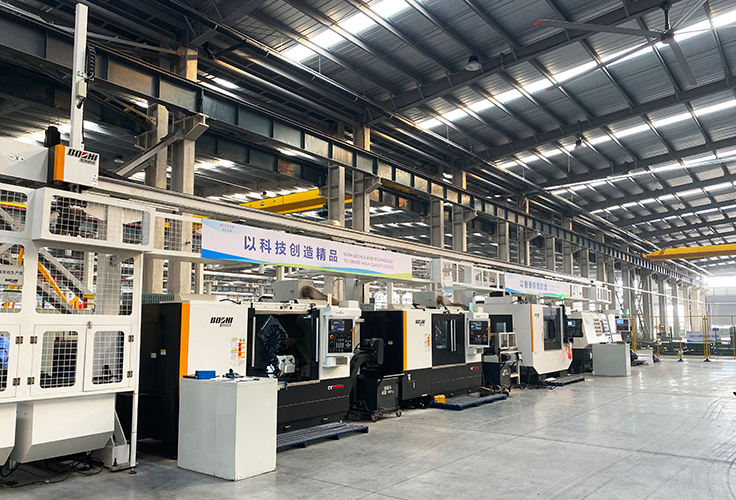
Fully integrated robotic line ensuring micron-level concentricity and shaft alignment. This prevents rotor imbalances, bearing failures, and high-frequency current damage.
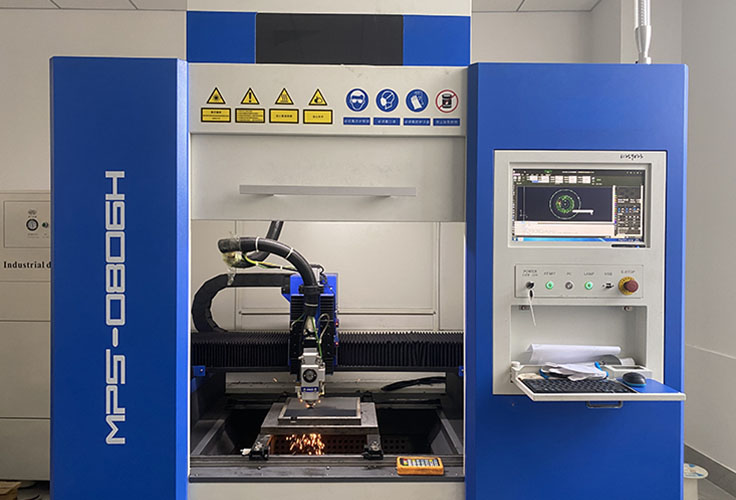
Advanced laser metal cutting system that optimizes silicon laminations. This reduces edge burrs and minimizes core losses caused by eddy currents.
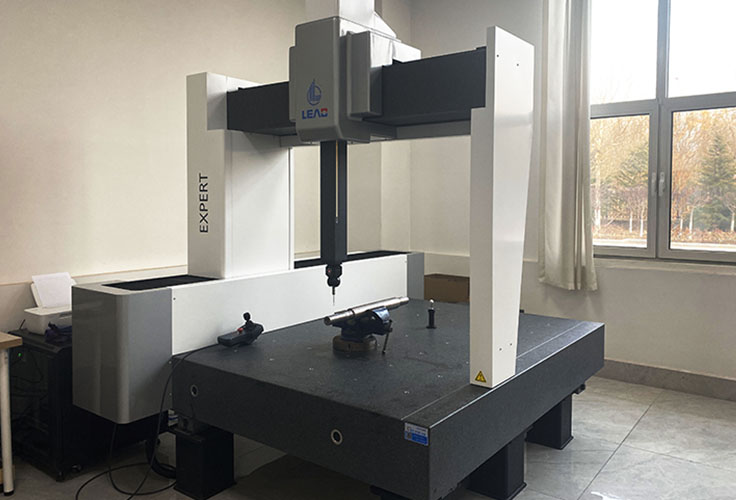
Accurate mechanical dimension inspection using high-end coordinate technology to verify frame, end-shield, and bearing seat tolerances.
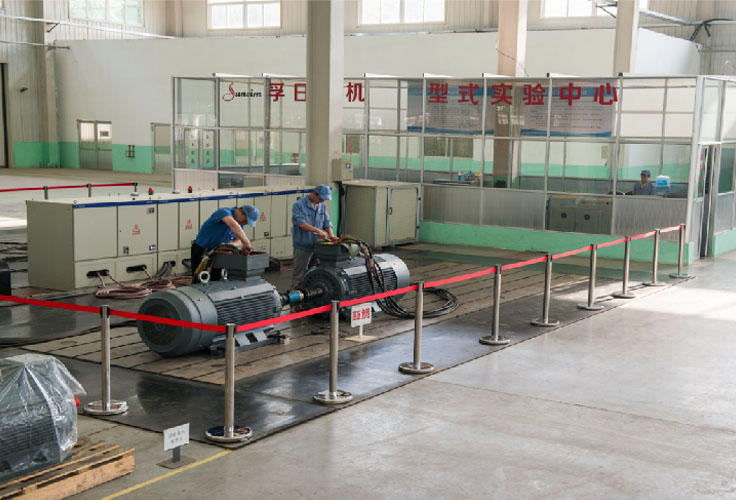
Equipped with full load, heat run, and isolation diagnostic suites to test electrical parameters at rated voltage limits prior to shipping.
Our motors are certified by leading global classification societies and technical standards bodies, ensuring reliable operation under harsh conditions.

ISO9001:2015
CE Certification

UKCA Standards
UL Certification
SABS South Africa
CCS Marine
ABS Certification
DNV Marine
Providing high-torque structural drive solutions across severe, volatile, and efficiency-sensitive operating environments globally.
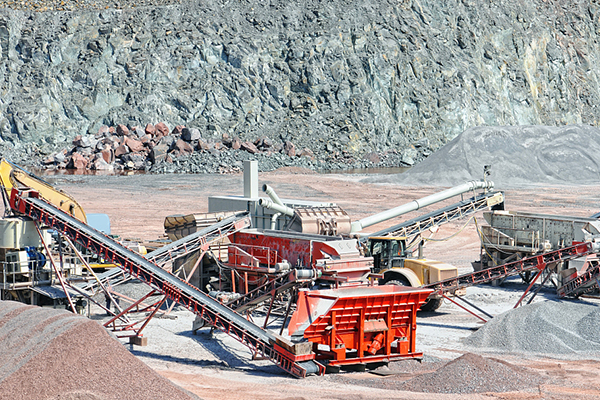
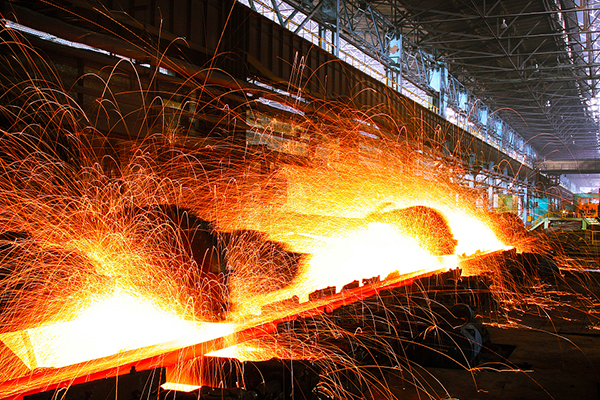
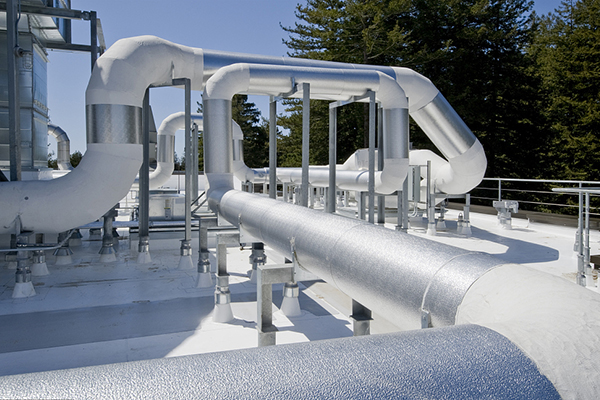
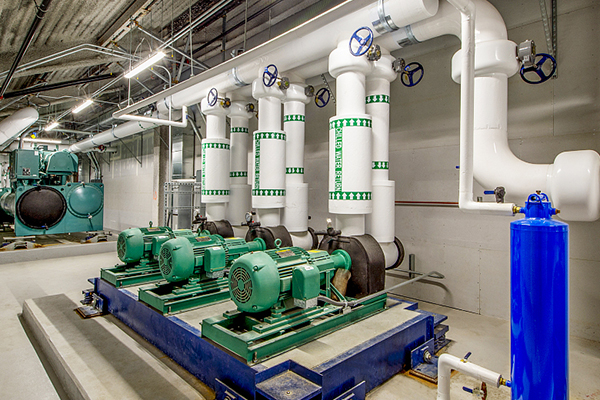
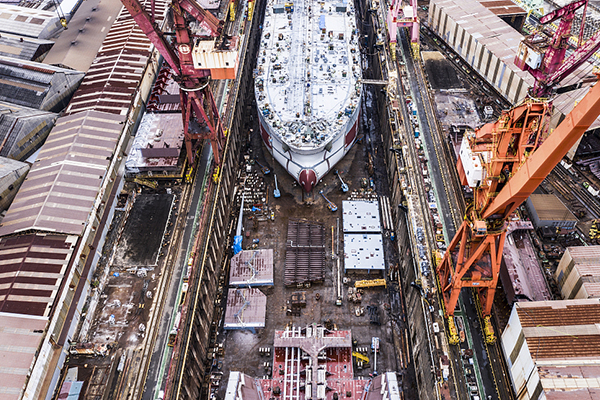
A data-backed framework to analyze efficiency classes, raw material cost indexes, and supply chain logistics.
Purchasing high-voltage machinery requires analyzing costs beyond the initial transaction price. The ultimate acquisition cost is determined by several core component specifications:
Electricity consumption accounts for over 92% of a high-voltage motor's lifetime operational costs, while the original purchase price represents less than 5%. Upgrading from a standard efficiency profile to an IE3/IE4 or IE5 high-output configuration yields significant operational savings:
For a 10kV, 1200 kW motor running continuously at 8,000 hours per annum:
Annual Savings: ~201,488 kWh. Calculated at an industrial rate of $0.09/kWh, this reduces annual operational costs by $18,133.
China's highly integrated supply chain ecosystem combines massive domestic silicon processing, precision copper drawing mills, automated robotic assembly lines, and direct maritime logistics. This enables manufacturers like Shandong Sunvim Motor to supply high-quality machinery at competitive rates. Crucially, these price advantages do not require compromising on design quality or certification compliance, with components certified to CE, UL, UKCA, ABS, DNV, and CCS marine standards.
Expert answers addressing structural design options, performance degradation, and supply chain management.
Select specialized equipment from our industrial catalog, designed to meet rigorous standards and custom application demands.
Access high-efficiency, multi-phase systems designed to meet rigorous standards for continuous operational runtimes.
 Sunvim Motor