A comprehensive research analysis on electric motor design, thermodynamic efficiency parameters, international compliance regulations, and the paradigm shift in heavy-duty machinery.
In the contemporary industrial topography, the electric motor acts as the foundational primary mover, consuming over 45% of global electrical energy. As heavy manufacturing, maritime transportation, mining exploitation, and chemical processing plants strive to meet demanding carbon reduction thresholds, the engineering focus has rapidly gravitated toward optimizing system efficiencies. For procurement executives and system architects aiming to buy Motor Yh configurations, understanding the nuances of energy transformation, torque density ratios, and localized regulatory compliance frameworks is crucial.
Historically, electric motors were evaluated almost strictly on initial torque curves and immediate acquisition pricing metrics. However, in the modern high-performance engineering framework, the total cost of ownership (TCO) calculation dominates decision-making. High-efficiency three-phase induction and permanent magnet synchronous motors mitigate operational expenditures by minimizing internal resistive, magnetic, and mechanical friction losses. Through premium construction details—including ultra-pure copper windings, precision stator laminations, and advanced thermal management rib-cooling profiles—modern motors achieve IE3 and IE4 efficiency bands, significantly lowering system operating costs over standard IE1 architectures.
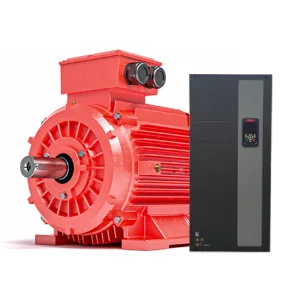
The implementation of Variable Frequency Drives (VFDs) and permanent magnet excitation technologies doesn't merely reduce instantaneous power draw; it alters the fundamental torque-speed performance envelope. By maintaining high torque metrics at reduced operational speeds, modern industrial setups prevent localized component overheating, stabilize grid harmonic distortion, and prolong the lifespan of coupled gears, impellers, and shafts.
The global shift toward high-efficiency paradigms is driven by stricter regional energy standards. In the European Union, the Ecodesign Regulation (EU) 2019/1781 mandates a minimum of IE3 efficiency for safe-area motors, with plans to elevate standard operational baselines even further. In North America, NEMA premium standards dictate equivalent energy boundaries. Thus, acquiring electric motors certified under recognized quality frameworks like CE, UL, UKCA, and SABS ensures frictionless custom import clearing processes, seamless integration with localized grid infrastructure, and reliable performance across varying environmental conditions.
Upgrading to high-efficiency motor systems substantially reduces lifetime power bills and minimizes expensive unexpected plant downtime, keeping operational overhead predictable.
Fully compliant with international electrical standards, including ISO9001, CE, UKCA, UL, SABS, CCS, ABS, and DNV for hassle-free integration across key global markets.
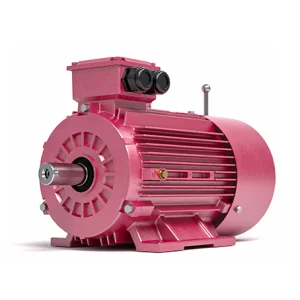
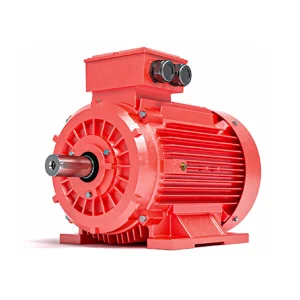
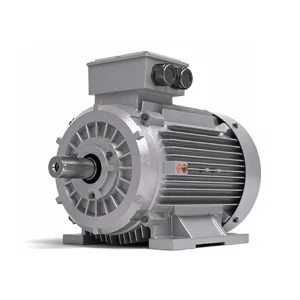
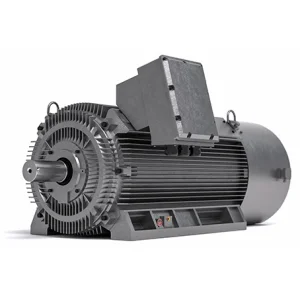
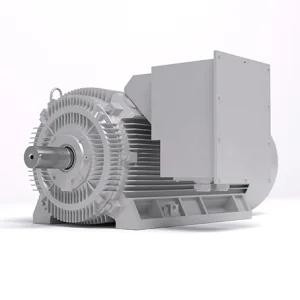
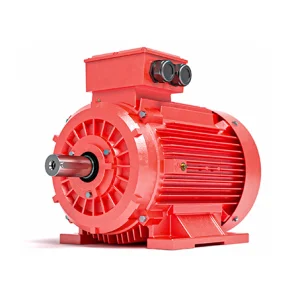
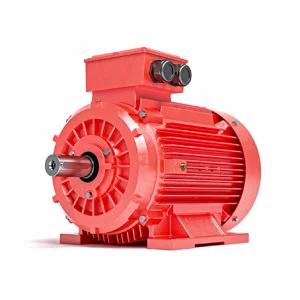
Featuring heavy cast-iron or rib-cooled aluminum frames, high-precision shaft balancing, and robust protection classes designed for harsh industrial environments.
With over 60 years of deep-rooted expertise in electric motor research, prototyping, and large-scale manufacturing, Shandong Sunvim Motor Co., Ltd. represents the pinnacle of industrial innovation. Following a strategic corporate transformation in 2022, we have rapidly established a high-standard, modernized production ecosystem tailored for the future of global industry.
Backed by the powerful resources of Sunvim Group—a multi-billion RMB conglomerate—Shandong Sunvim Motor Co., Ltd. benefits from strong financial stability, extensive material sourcing networks, and strategic long-term growth. Our expansive facilities house over 400 sets of advanced manufacturing, precision testing, and automated supporting equipment, driving an impressive annual production capacity of up to 3 million kilowatts.
Today, Sunvim Motor has evolved into a premier enterprise seamlessly integrating R&D, world-class manufacturing, global distribution, and dedicated, localized customer service. Driven by the excellence of the Sunvim Group, the SUNVIM brand has earned widespread international recognition. Our high-performance electric motors are trusted by global OEMs and industrial buyers across premier markets, including Germany, Italy, Greece, Spain, Belgium, Denmark, South Africa, Slovakia, Australia, Singapore, Indonesia, Malaysia, and Taiwan.
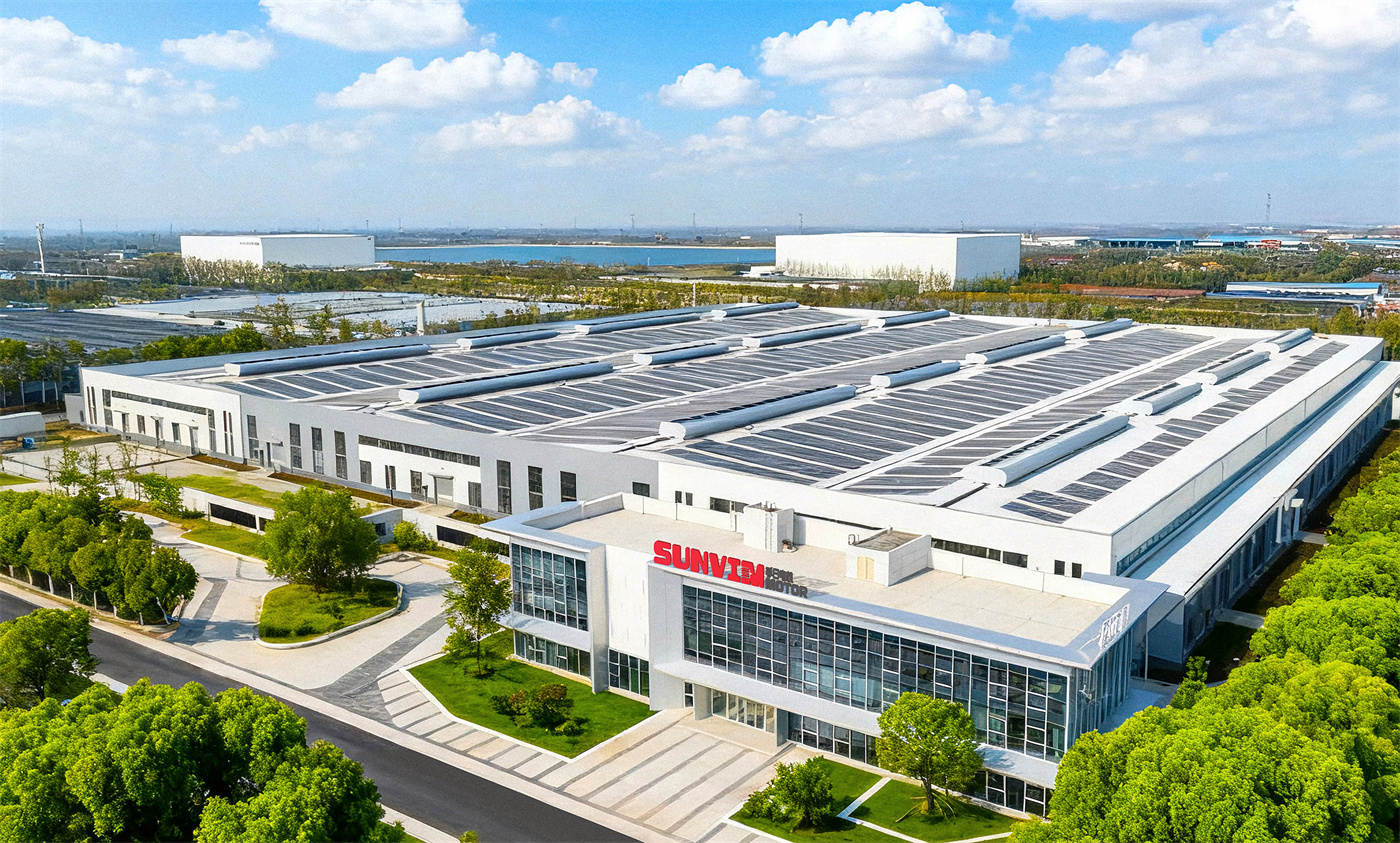
Exploring the precise metallurgical machining, automated tooling, and high-precision testing instrumentation driving our product consistency.
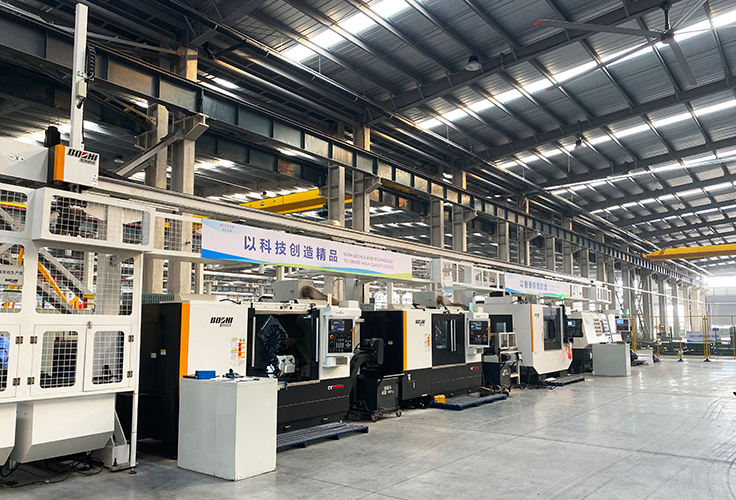
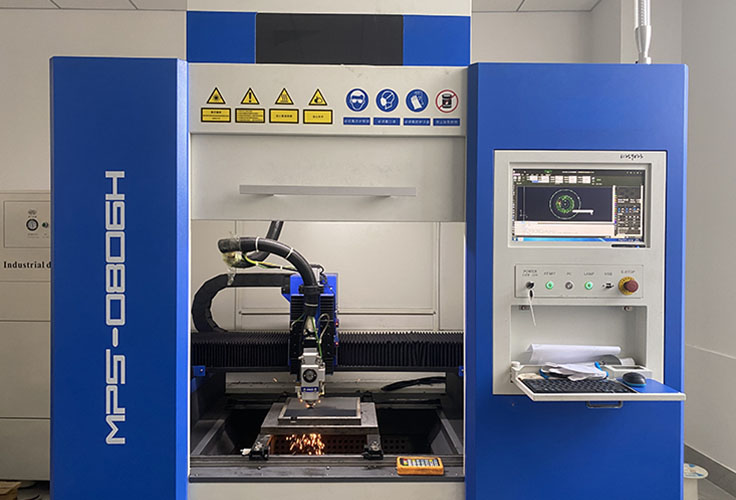
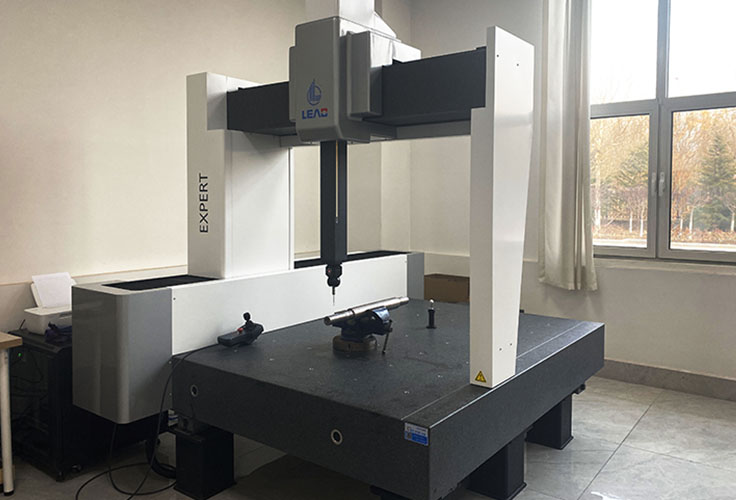
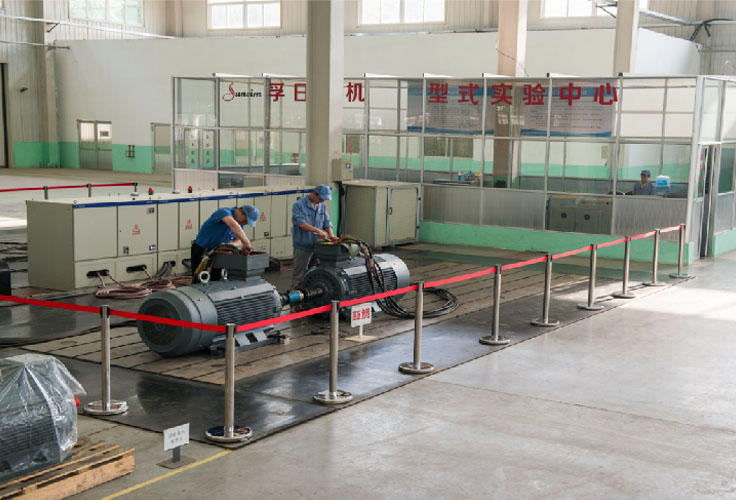
Unlocking operational efficiencies, reliable scheduling, and high-standard material engineering at scale.
Sourcing from Shandong Sunvim Motor Co., Ltd. provides global enterprise buyers with unique, high-value supply chain advantages. As the world's primary industrial workshop, China's specialized cluster zones feature extensive component access, streamlined raw steel and copper supplies, and robust logistical infrastructure. This ensures stable production schedules, minimized custom overheads, and highly competitive lead times, even when handling high-volume custom OEM configurations.
Furthermore, Sunvim's vertically integrated supply chain controls costs and maintains quality at every step. From initial casting and automated laser frame cutting to robotic copper winding and precise rotor balancing, every manufacturing phase is kept in-house under strict ISO controls. This comprehensive process oversight eliminates third-party component markups, enabling Shandong Sunvim to supply superior premium motors without exceeding industrial buyers' procurement budgets.
We manage all processes in-house, from structural iron casting to stator wind testing, ensuring consistent build quality and transparent pricing.
Our raw material reserves and optimized automated lines allow for rapid turnaround times on both standard and highly customized custom motor designs.
Whether you require specific shaft diameters, customized frame structures, special painting treatments, or unique voltages, our design engineers deliver custom solutions.
Trace our history back to 1963, charting decades of technical innovations and expansion into global markets.
Gaomi Electric Appliance Factory was established, laying the technical foundation. Later in 1988, it was officially renamed as Weifang Electric Machinery Factory, expanding its production capability.
Mr. Sun, then the factory director, left Gaomi Electric Appliance Factory and set up Gaomi Towel Factory, which became the predecessor of the multi-billion RMB Sunvim Group.
In 2008, Weifang Electric Machinery Factory was formally acquired by the Sunvim Group, and Shandong Sunvim Electrical Machinery Co. Ltd. was established to scale operations.
A new, modernized factory was completed inside the Sunvim Industrial Park, and the company was renamed Shandong Sunvim Motor Co. Ltd. to reflect its global orientation.
Examine the wide array of quality, safety, and marine certifications that secure Sunvim's global reliability.
Our heavy-duty electric motors are manufactured under rigorous control protocols, ensuring full compliance with premium safety, efficiency, and maritime regulations worldwide.


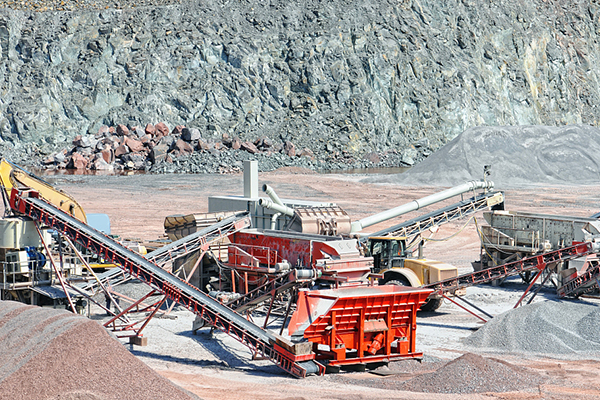
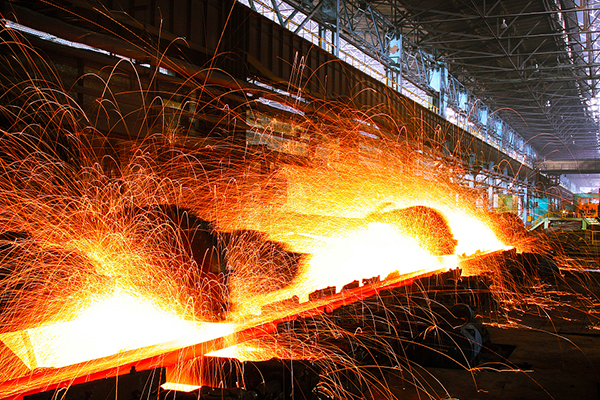
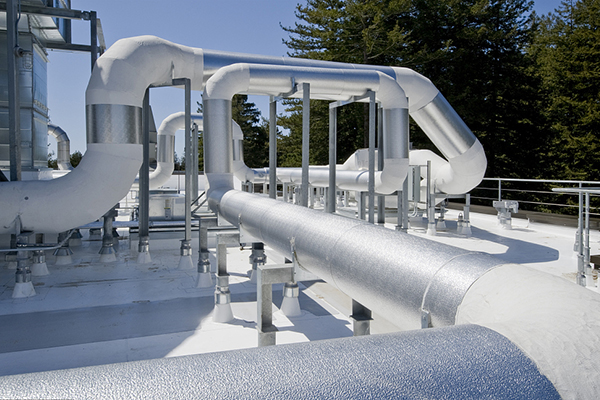
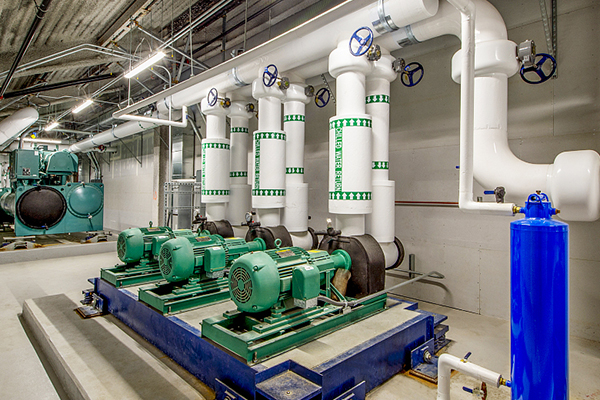
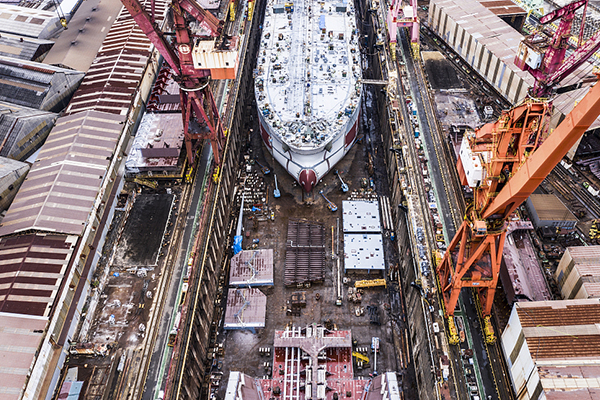
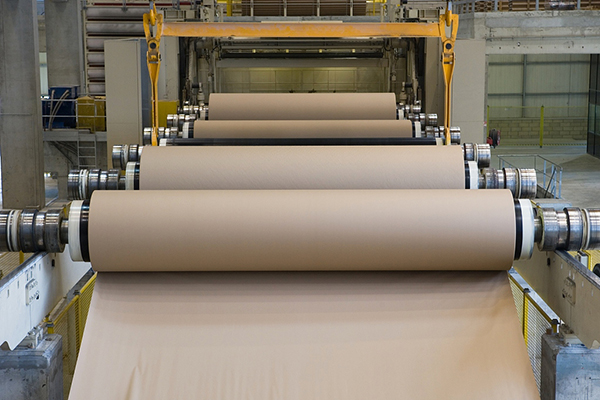
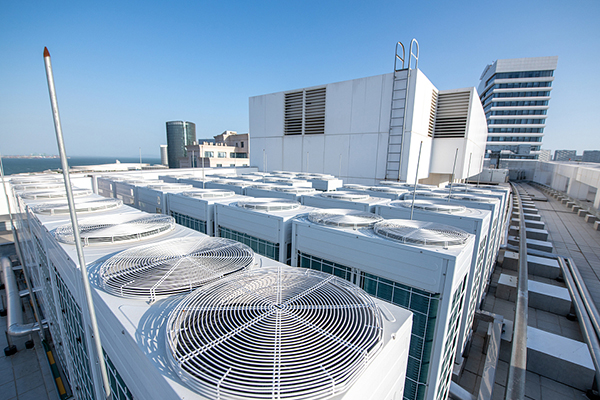
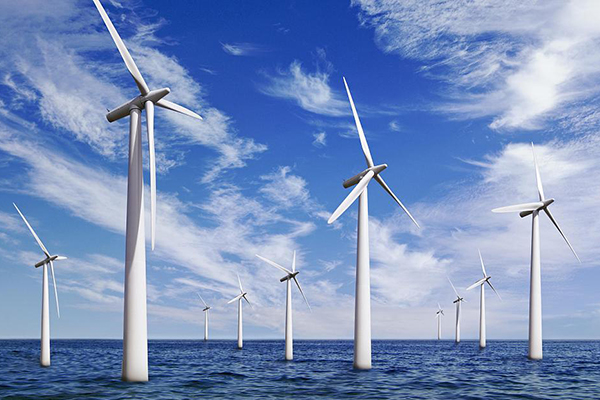
Deploying powerful electric motor technologies across demanding applications, from deep-shaft mining and offshore marine rigs to heavy industrial ventilation systems.

Key parameters that engineering directors and procurement officers must evaluate to optimize performance and reduce system lifecycle costs.
When engineering directors submit requests for quotes on heavy-duty electric motors, initial purchase prices only tell part of the story. To ensure optimal performance and minimize total lifecycle costs, procurement teams must analyze several technical factors. These specifications dictate how the motor performs under thermal stress and in challenging operational environments over time.
First, evaluate the Insulation Class and Temperature Rise Limit. Premium industrial motors should feature Class F insulation with a Class B temperature rise. This buffer protects motor windings against unexpected high thermal spikes, significantly extending the lifespan of internal stator components.
Second, verify the Enclosure Protection Index (IP Rating) and housing material. Outdoor installations, chemical plants, and marine environments require robust IP55, IP56, or IP66 enclosures to keep fine dust, heavy moisture, and corrosive vapors out. High-grade cast iron frames, combined with premium polyurethane paint coatings, protect the internal machinery from harsh environmental wear.
Additionally, check for Variable Frequency Drive (VFD) Compatibility. Modern operations rely on VFDs to match motor output with real-time process demands. Specifying insulated bearings (like hybrid ceramic options) and phase-insulated winding schemes prevents electrical discharge currents (EDM) from degrading bearings, protecting against early drive failure.
Proper ingress protection guards stator windings and bearings against fine dust, chemical sprays, and high-pressure water jets.
Class F insulation systems with Class B temperature rises offer a safe operational buffer under demanding continuous (S1) duty cycles.
Designed with high-frequency surge-resistant magnetic wire and options for insulated bearings, our motors prevent early VFD-induced failures.
Get quick, definitive answers to technical queries, shipping timelines, design options, and international quality standards.
 Sunvim Motor