 Sunvim Motor
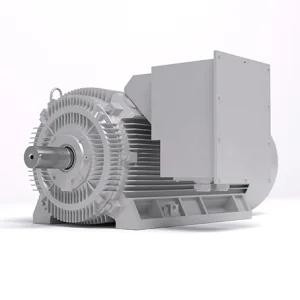
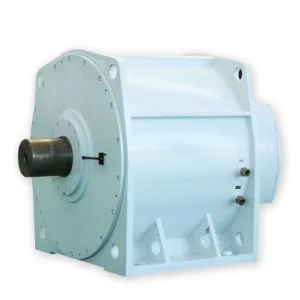
1. Understanding Slippery Motors: Engineering Fundamentals & Application Intent
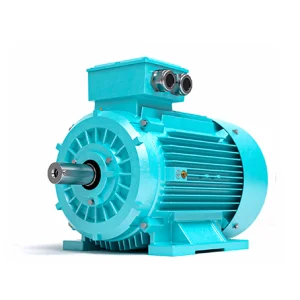
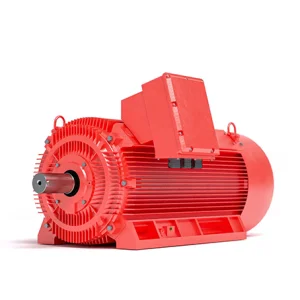
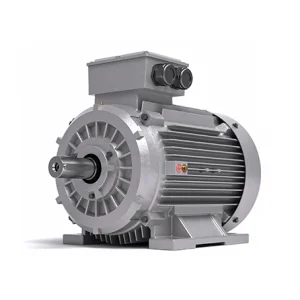
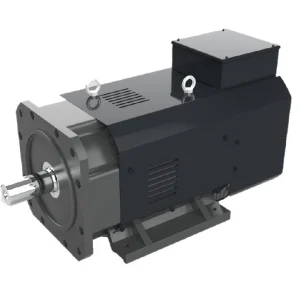
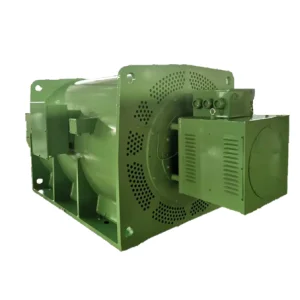
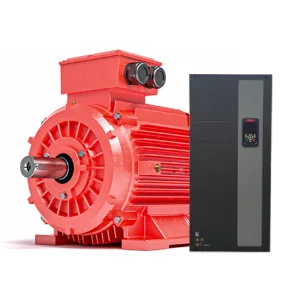
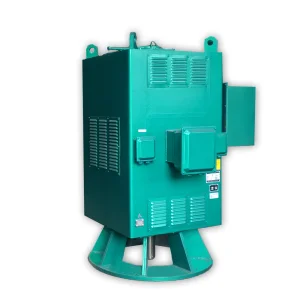
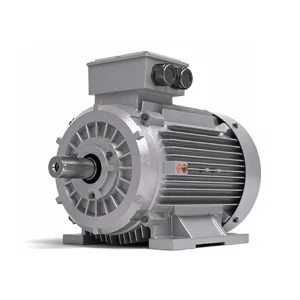
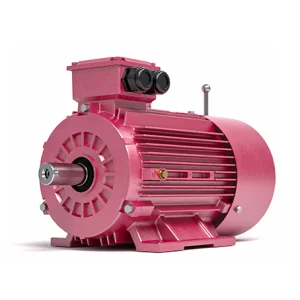
In high-performance industrial engineering, the term "Slippery Motor" primarily represents heavy-duty **wound rotor induction motors** (commonly known as **Slip Ring Motors**) or specialized high-slip asynchronous motors (such as NEMA Design D). Unlike standard squirrel-cage induction motors, which maintain a rigid, low-slip operational profile, slippery or slip ring motors allow variable resistance to be inserted into the rotor circuit. This advanced physical architecture allows operators to control torque and current characteristics dynamically during start-up and continuous load cycles.
From an engineering perspective, slip is the difference between the synchronous speed of the magnetic field and the actual shaft speed. High-slip or "slippery" dynamics are essential for starting extremely heavy, high-inertia machinery (e.g., ball mills, primary crushers, heavy-duty ventilation fans) without creating devastating voltage drops across power grids. By incorporating high-quality external resistances via high-performance carbon brushes and precision-machined copper or steel slip rings, a CE-certified slippery motor achieves exceptional starting torque (up to 250% of rated torque) while restricting the starting current to minimal levels. This specific capability prevents thermal failure and mechanical stress, dramatically extending the operational lifespan of the entire industrial drivetrain.
2. The Regulatory Framework: The Critical Importance of CE Certification
For global engineering consultants and procurement managers in Europe and beyond, CE Certification is not merely a label—it is a legally binding testament to safety, environmental compatibility, and rigorous quality standard compliance. In the European Economic Area (EEA), any electrical machinery must strictly adhere to the **Machinery Directive 2006/42/EC**, the **Low Voltage Directive 2014/35/EU**, and the **Electromagnetic Compatibility (EMC) Directive 2014/30/EU**.
A CE-certified slip ring motor guarantees that the design has undergone extensive finite element analysis (FEA) and destructive type testing to verify dielectric strength, thermal threshold limits under severe overload conditions, and electromagnetic containment. The certification process verifies that the motor's enclosure (IP55/IP56 or modular IP23) delivers robust protection against particulate ingress and moisture. This is especially vital in severe sectors like marine propulsion, underground mining, and chemical processing. Working with a CE-certified slippery motor manufacturer eliminates legal liability risks, speeds up plant commissioning, and ensures seamless compliance with local work safety inspection audits.
3. Shandong Sunvim Motor: 60+ Years of Manufacturing Integrity & Global Reach
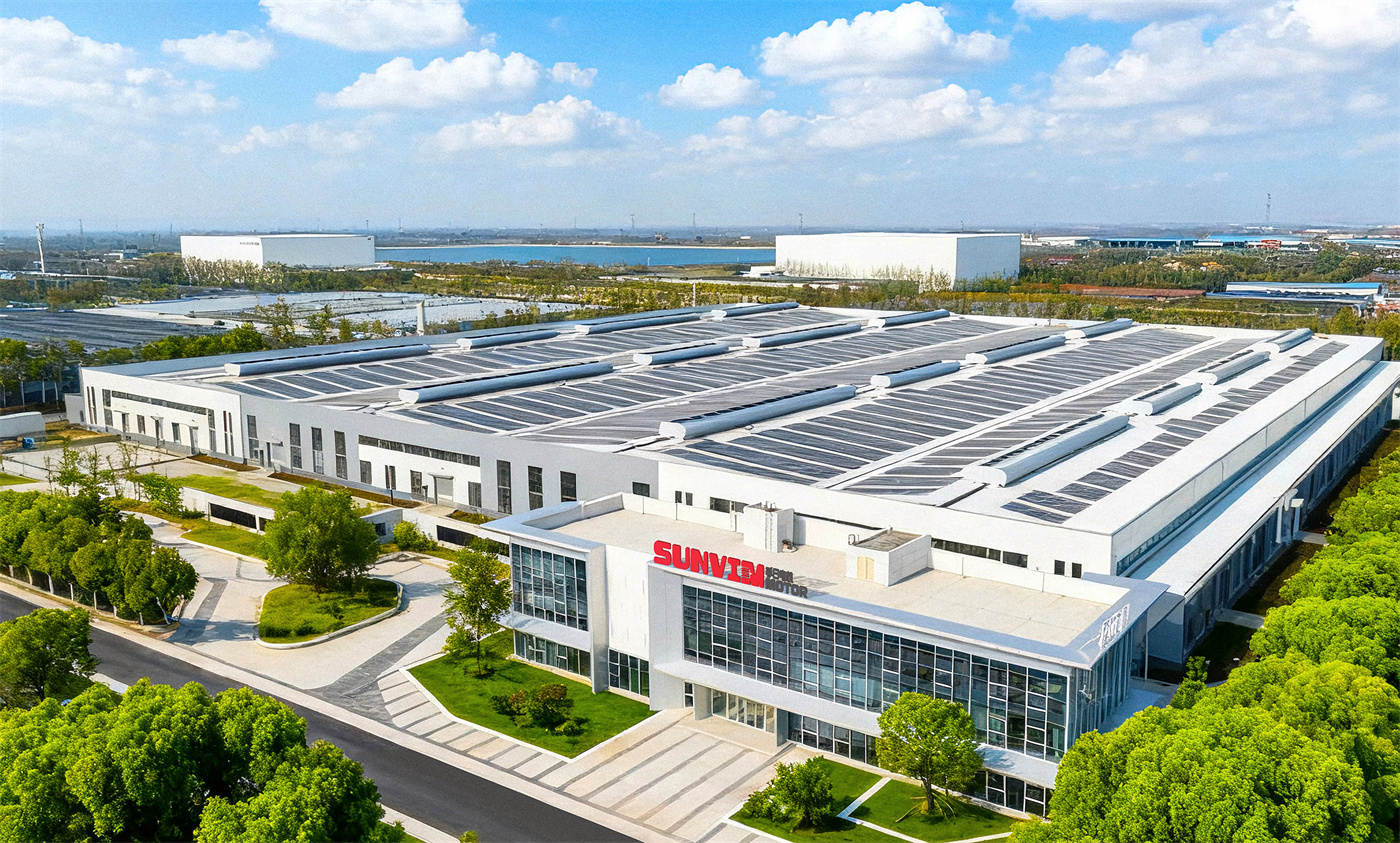
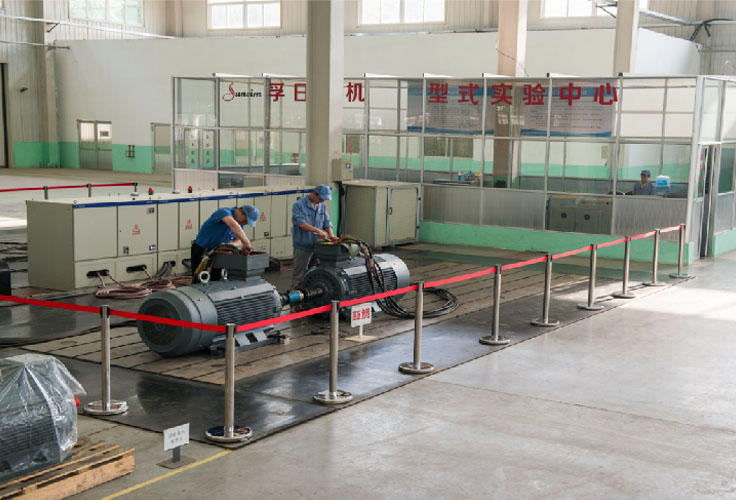
Established in 1963, Shandong Sunvim Motor Co., Ltd. (originally founded as Gaomi Electric Appliance Factory and transformed in 2022 into a highly modernized manufacturing superpower within the Sunvim Industrial Park) carries more than six decades of deep-rooted expertise in industrial electric motor research, engineering, and global logistics. Supported by a registered capital of 220 Million RMB and covering a state-of-the-art facility spanning 68,000 m² (with a 53,000 m² advanced architectural construction footprint), Sunvim represents the absolute pinnacle of Chinese industrial manufacturing.
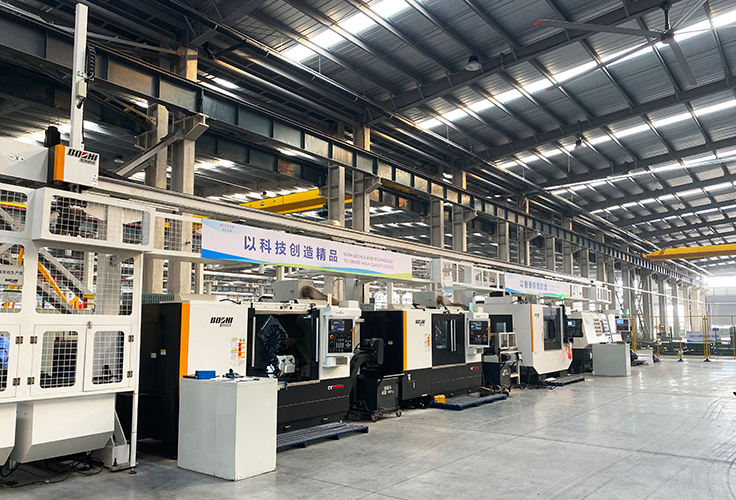
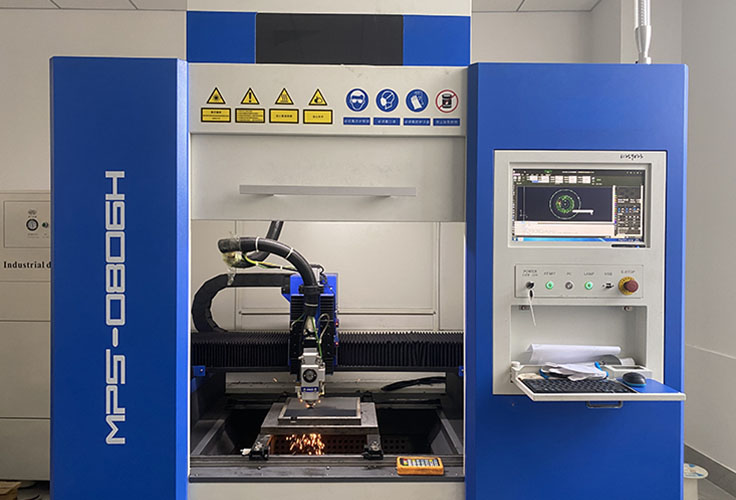
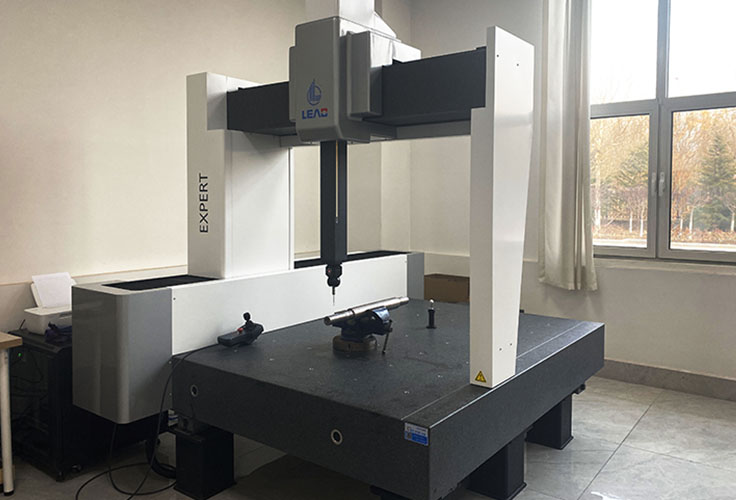
Backed by the multi-billion RMB Sunvim Group, we leverage over 400 sets of advanced manufacturing, precision testing, and high-speed automated machinery. Our annual production capacity has surpassed 3 million kilowatts, serving major industrial OEM operations and complex supply chains across Germany, Italy, Greece, Spain, Belgium, Denmark, South Africa, Slovakia, Australia, Singapore, Indonesia, Malaysia, and Taiwan.