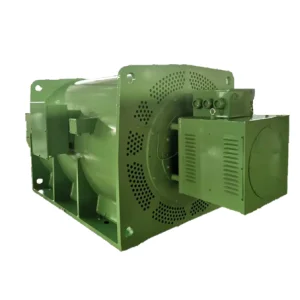
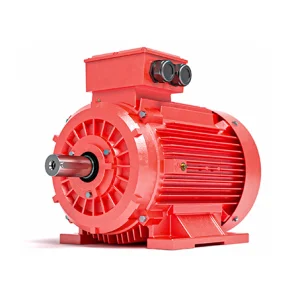
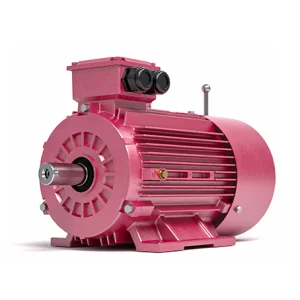
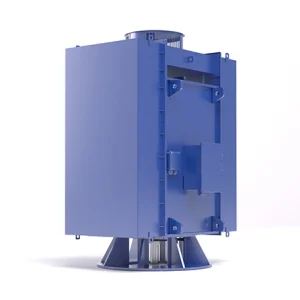
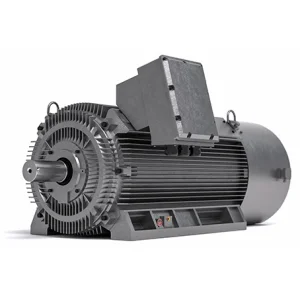
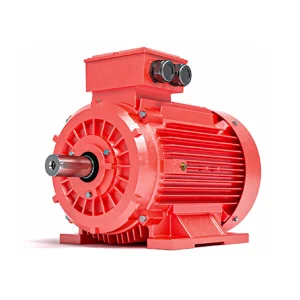
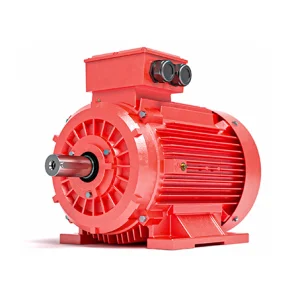
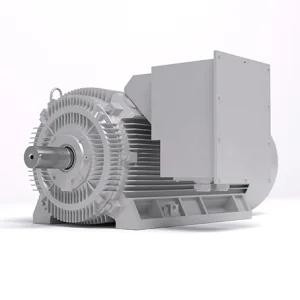
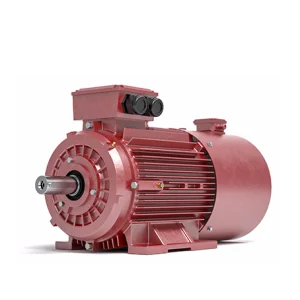
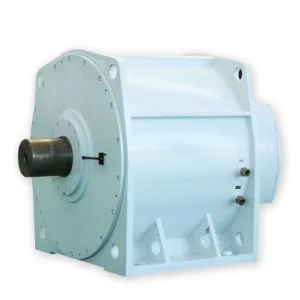
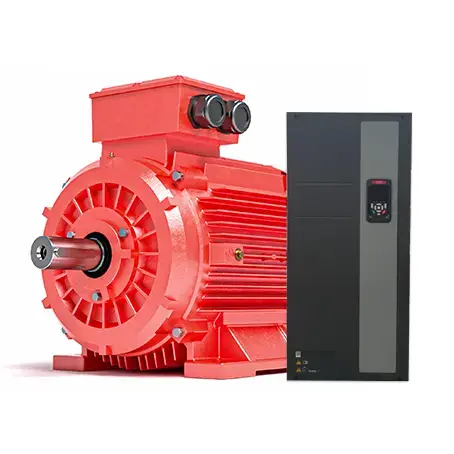
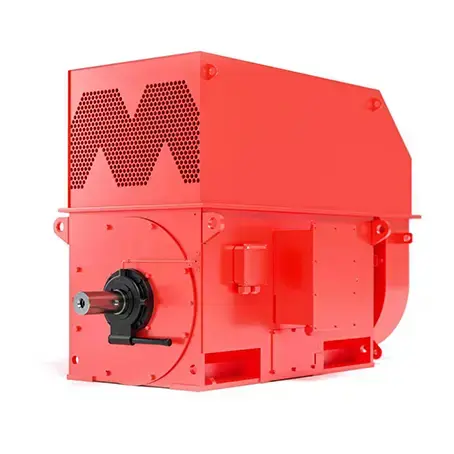
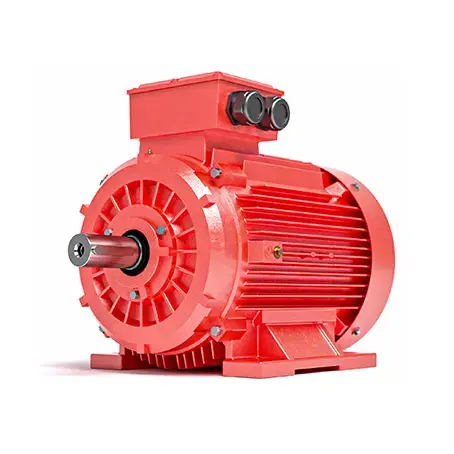
Explore our engineered range of high-efficiency asynchronous induction, brake, and customized specialty motors trusted by global enterprises.
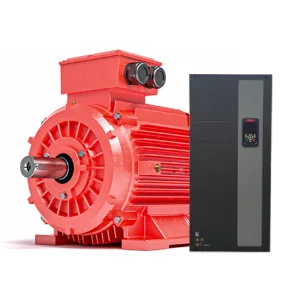
In modern industrial engineering, energy conservation, process precision, and system intelligence are no longer tertiary options—they are critical indicators of operational viability. The variable frequency drive (VFD) motor stands at the center of this paradigm shift. Unlike fixed-speed motors that run at a constant frequency, VFD-fed electric motors operate under variable voltages and frequencies regulated by an external inverter control system. This enables precise speed control, massive power savings under part-load conditions, and minimized in-rush current spikes.
As the international manufacturing sector transitions toward aggressive decarbonization and stringent minimum energy performance standards (MEPS), premium variable speed units have become standard in heavy industrial infrastructure. Across the Americas, Europe, and the Asia-Pacific region, mechanical networks driving high-volume fans, centrifugal pumps, heavy-duty compressors, and material handling systems are increasingly retrofitted with specialized converter-fed motor systems. This shift reduces system-wide wear and significantly lowers greenhouse gas emissions.
Standard fixed-speed asynchronous induction motors running directly on line power (Direct-On-Line or DOL) suffer from significant energy losses during cyclic operations. Variable load cycles dictate that running a motor at full rated speed when the load requirement is only 50% wastes up to 70% of consumed electrical energy due to the cubic relationship between motor speed and power consumption in centrifugal applications (governed by Affinity Laws).
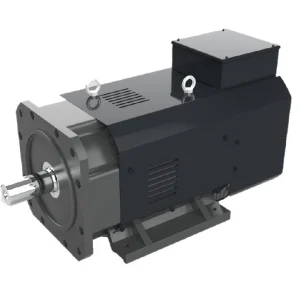
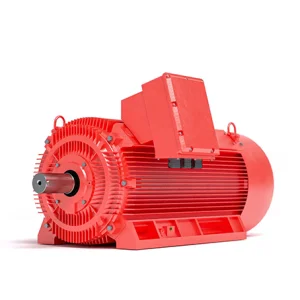
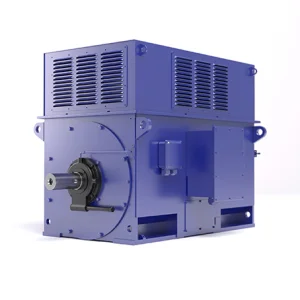
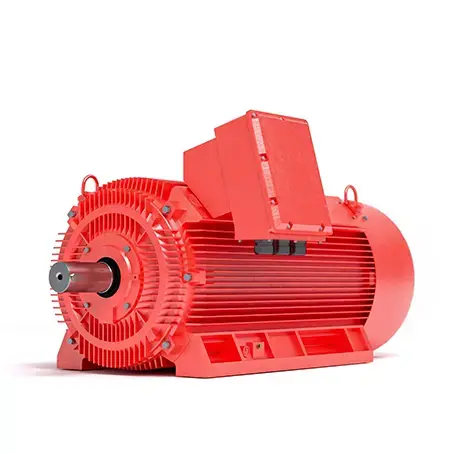
By implementing high-performance VFD motors, operations can scale their power usage dynamically. Our specialized solutions, such as the YVF series converter-fed high output motors and SCZ series synchronous reluctance motors, are built from the ground up to handle the non-sinusoidal voltage waveforms produced by modern IGBT (Insulated Gate Bipolar Transistor) frequency inverters. This design addresses the challenges of high-frequency harmonic stresses and premature insulation breakdowns common in retrofitted standard motors.
Empowering global industries since 1963 with high-performance, robust motor technologies and heavy industrial integration.
With over 60 years of deep-rooted expertise in electric motor research, manufacturing, and technical innovation, Shandong Sunvim Motor Co., Ltd. represents the pinnacle of modern Chinese heavy-industry engineering. Backed by the immense resources of the multi-billion RMB Sunvim Group, our company transitioned through a major strategic corporate modernization in 2022. This evolution established a high-standard manufacturing ecosystem customized to fulfill the complex requirements of next-generation global OEM buyers.
Our expansive industrial complex features a state-of-the-art facility footprint of 53,000 m² within a total site area of 68,000 m². To ensure world-class precision and reliable yield rates, our production floors are equipped with over 400 sets of advanced manufacturing and precision testing apparatuses. This robust infrastructure yields an annual capacity of 3 million kilowatts, enabling us to easily manage high-volume orders for global infrastructure projects without compromising structural or electrical tolerances.
The SUNVIM brand has earned widespread international recognition. Our high-performance electric motors are trusted by global OEMs and industrial buyers across premier markets, including Germany, Italy, Greece, Spain, Belgium, Denmark, South Africa, Slovakia, Australia, Singapore, Indonesia, Malaysia, and Taiwan.
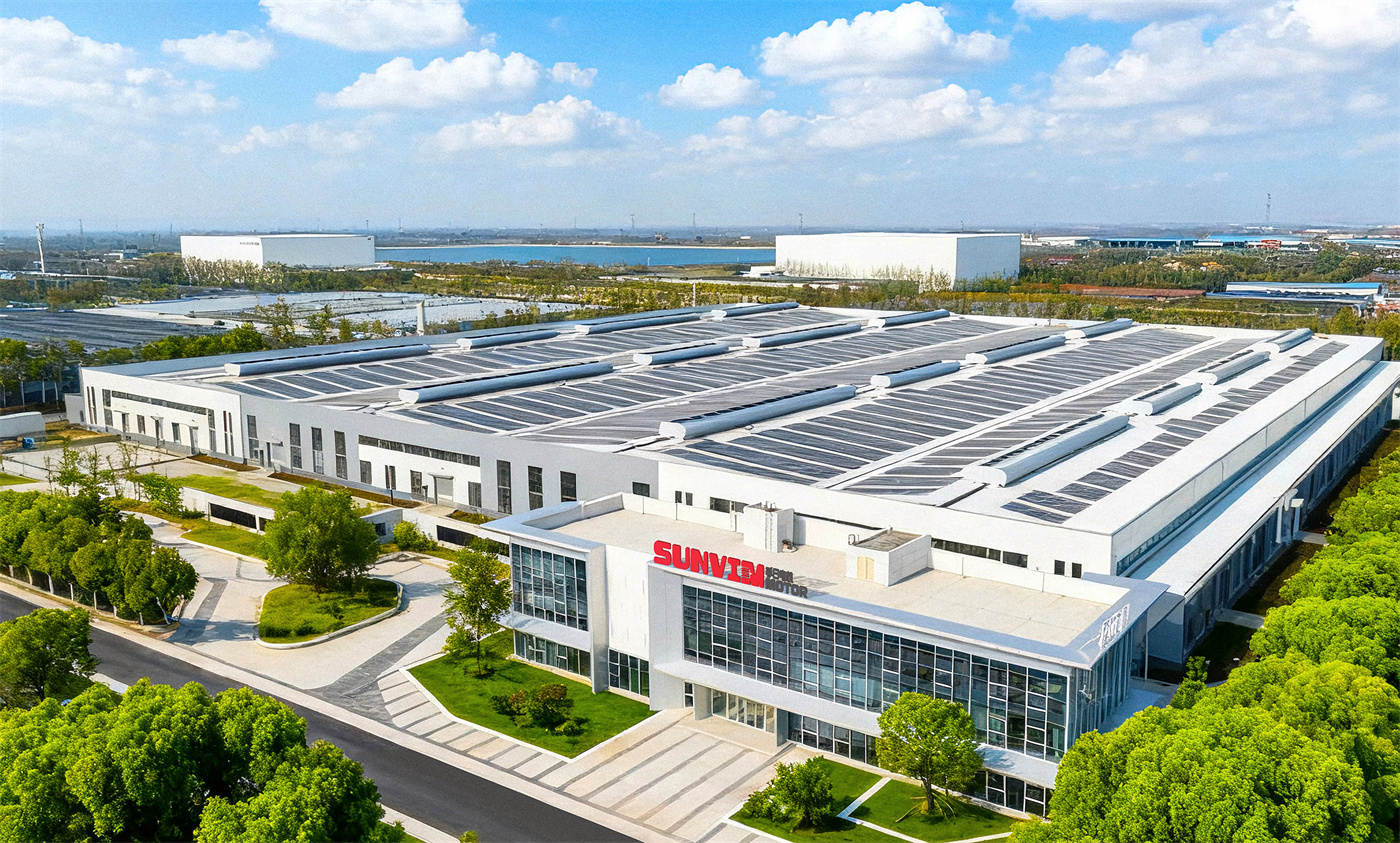
How we achieve exceptional precision and structural integrity across every stator, shaft, and casing.
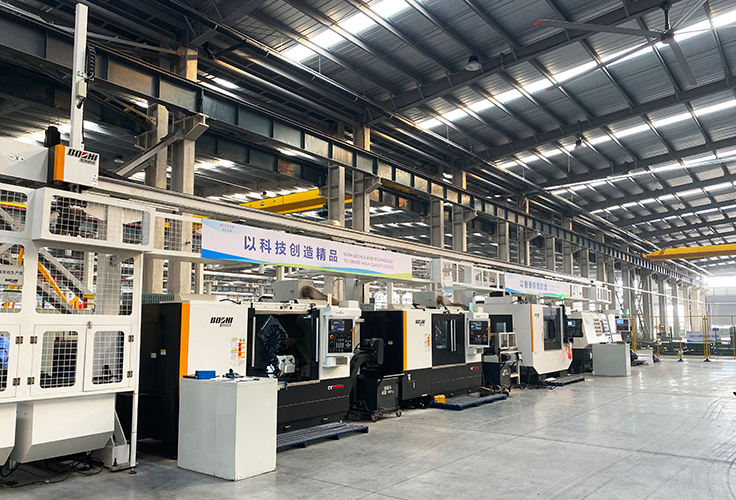
Multi-axis CNC turning and grinding cells ensure tolerances within micrometer levels, critical for high-speed dynamic balance and vibration mitigation in VFD operations.
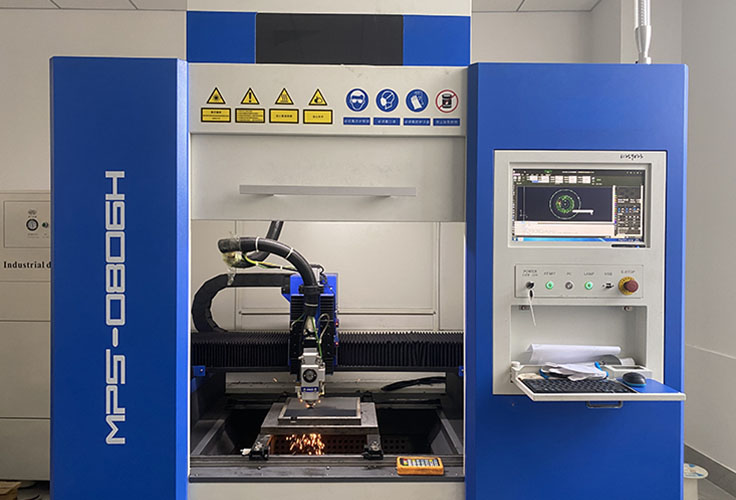
High-efficiency computer-guided laser cutting system for stator and rotor silicon steel laminations, minimizing eddy current losses and keeping thermal profiles low.
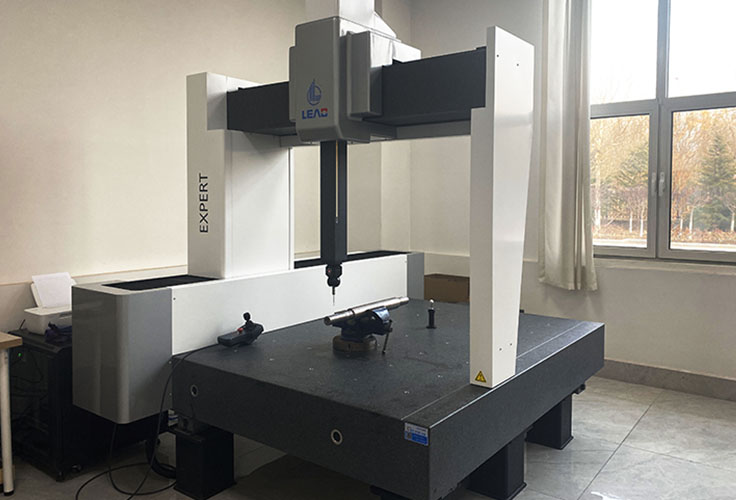
Precision mechanical coordinates verification system, guaranteeing exact geometry match for concentric alignment and absolute physical dimensional safety.
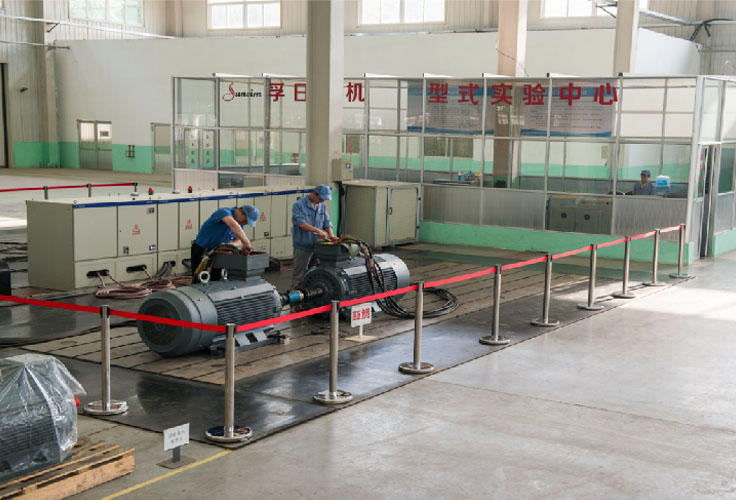
Full-load dynamometers verify thermodynamic, electrical efficiency (IE3, IE4), harmonic resistance, torque response, and long-term durability curves.
A continuous progression of technical advancements, scale upgrades, and quality control developments over the decades.
Gaomi Electric Appliance Factory was officially established, initiating local motor repair and basic coil-winding services.
Mr. Sun, our visionary factory director, departed to establish the Gaomi Towel Factory, building the strong financial framework of Sunvim.
Upgraded and renamed as Weifang Electric Machinery Factory, shifting core operations to mid-to-high capacity electric induction motors.
Weifang Electric Machinery Factory was formally acquired by Sunvim, and Shandong Sunvim Electrical Machinery Co. Ltd was founded.
A new, highly automated factory in Sunvim Industrial Park was completed, and we officially renamed to Shandong Sunvim Motor Co., Ltd.
Our commitment to uncompromising international quality standards is proven by absolute regulatory compliance certificates.

ISO9001
CE

UKCA

UL
SABS
CCS
ABS
DNV
Applying standard general-purpose AC motors to modern variable frequency drive systems without correct mechanical and electrical modifications can lead to critical component failure. Variable frequency drives control speed using pulse-width modulation (PWM). This process generates fast-rising voltage pulses with steep wavefronts (high dV/dt rates) that propagate through power cables, creating reflected wave phenomena that can double the peak voltage stresses on the motor's first few turns of winding.
This stress can exceed the dielectric breakdown threshold of standard insulation wire, causing slot-to-slot or turn-to-turn short circuits. To mitigate this risk, Shandong Sunvim's converter-fed solutions utilize premium double-insulated magnet wires wrapped in high-grade mica tape. The stator assembly undergoes Vacuum Pressure Impregnation (VPI) with high-dielectric, solventless epoxy varnishes. This ensures a solid, bubble-free insulation structure capable of resisting continuous high-voltage spikes and thermal cycling stresses.
Another common cause of failure in VFD-controlled motor applications is common-mode voltage induced on the motor shaft. Because high-frequency PWM switching cannot achieve perfect sinusoidal balance, a voltage potential builds across the rotor. If this voltage exceeds the dielectric limit of the bearing grease, it discharges through the rolling elements, causing electrical discharge machining (EDM) current spikes.
This discharge leads to localized melting, pitting, and micro-cratering (fluting) on the bearing raceways, resulting in excessive vibration, high operating temperatures, and eventual bearing seizure. Shandong Sunvim solves this issue by incorporating insulated ceramic hybrid bearings (Si3N4) or insulated end-shield housings on the non-drive end for motors in frame sizes 280 and larger. Additionally, we integrate high-performance carbon-fiber grounding brushes on the drive end, successfully diverting residual high-frequency currents safely to the ground loop.
| Specification Metric | Standard Industrial Rating | Sunvim Professional Custom Options |
|---|---|---|
| Output Range | 0.75 kW to 315 kW (Low Voltage) | Up to 3,000 kW (Medium & High Voltage Modular Units) |
| Insulation Class | Class F (Temp Rise B - 80K) | Class H (VPI Treated, Rated up to 180°C limit) |
| Ingress Protection | IP55 Dust and Water Splash proof | IP56, IP65, IP66 (Washdown duty & severe marine duty) |
| Harmonic Protection | None | Phase barriers, dV/dt spike filters, dual-shielded leads |
| Bearing Protection | Standard high-speed deep groove ball bearings | Insulated NDE Bearings, Shaft grounding brushes, Pt100 RTDs |
| Cooling System | IC411 (Self-Ventilated, Fan-on-Shaft) | IC416 (Forced cooling fan system running on independent power) |
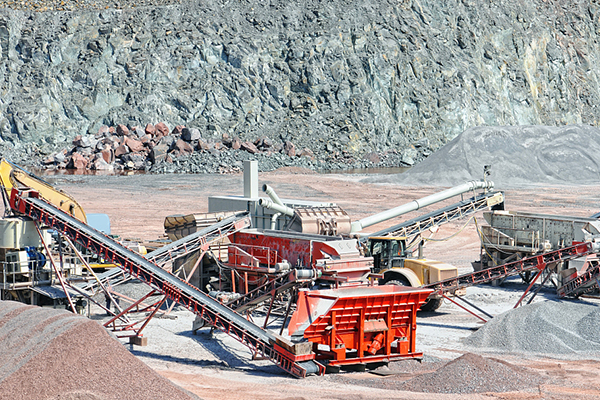
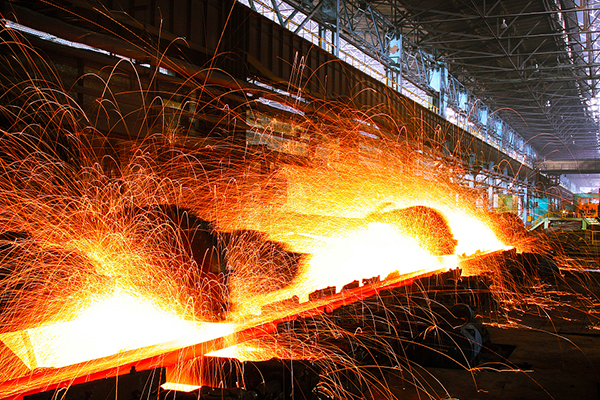
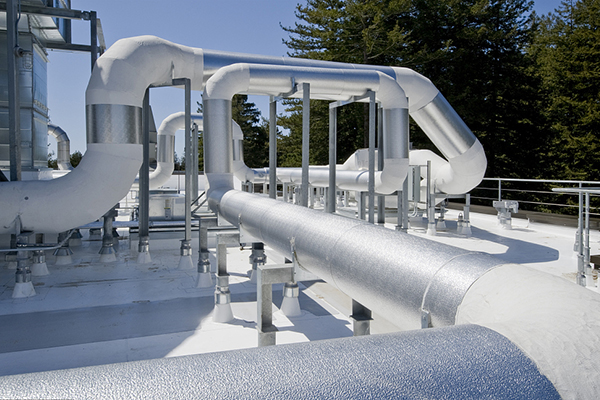
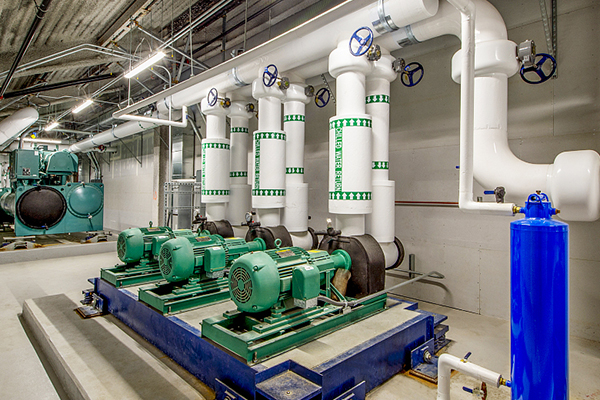
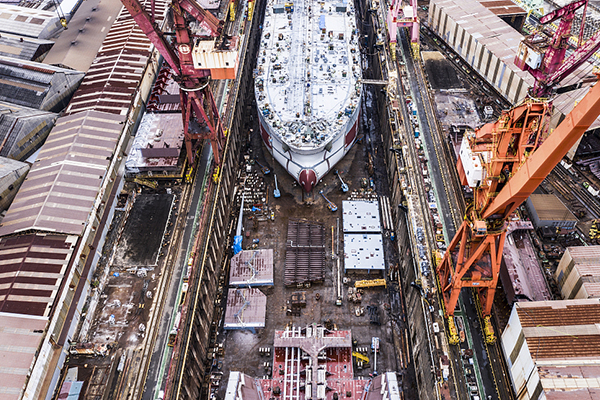
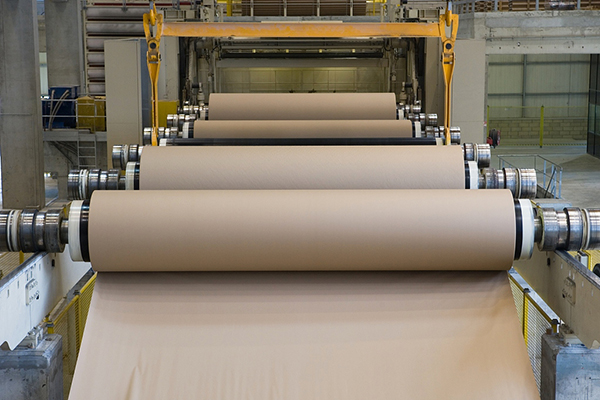
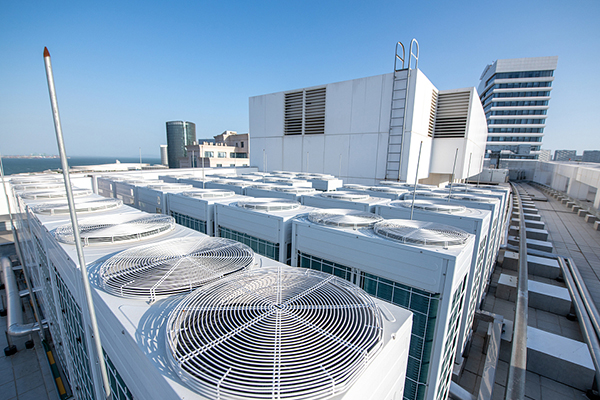
Our VFD and high-efficiency motors are designed to deliver reliable performance in heavy-duty applications worldwide.


Procuring heavy industrial motors from China provides global buyers with a competitive edge, stemming from a highly integrated domestic industrial supply chain and advanced production efficiencies. Shandong Sunvim benefits from direct domestic sourcing of high-grade non-oriented cold-rolled silicon steel sheet laminations, copper magnet wire, and cast iron framing housings. This complete supply loop minimizes raw material lead times and insulates international procurement networks from sudden geopolitical and logistical supply chain shocks.
Additionally, Chinese manufacturers have heavily invested in industrial automation. Our integration of multi-station robot welders, dynamic double-action winding machines, automated CNC shaft finishing systems, and digitized paint lines significantly reduces manual labor overhead. By pairing these cost-efficient production models with advanced verification testing center data, we deliver high-performance motors at a much lower cost-per-kilowatt compared to European or North American competitors.
The industrial motor sector is experiencing a rapid technological evolution driven by smart control requirements and environmental initiatives. Foremost is the transition to permanent magnet synchronous motors (PMSM) controlled via specialized VFDs, such as the FP series PM motors. These PMSM units offer higher torque-to-weight ratios and flat efficiency curves, meeting IE4 and IE5 performance targets even under highly dynamic, low-speed conditions.
Additionally, predictive maintenance is becoming standard across industrial operations. Modern VFD motors are increasingly specified with integrated vibration transmitters, RTD thermal probes inside the stator slots, and bearing temp sensors. By connecting these systems to industrial internet platforms, plant operators can monitor motor performance in real time. This allows them to predict insulation degradation or bearing wear and schedule preventative maintenance before costly, unscheduled system downtime occurs.
Detailed answers to key technical questions when sourcing variable frequency and high-efficiency induction motors.
A standard motor is designed to operate on a continuous sinusoidal voltage wave at a fixed frequency. When powered by a VFD, the motor faces high-frequency voltage pulses with steep dV/dt rises, which can cause micro-arcing and insulation failure. VFD-rated motors feature specialized corona-resistant magnet wire, advanced VPI insulation, and insulated bearings or grounding devices to protect against shaft currents. They also include independent cooling systems (IC416) to ensure effective heat dissipation at lower running speeds.
Standard motors rely on an internal shaft-mounted cooling fan (IC411). When speed drops, the fan's cooling capacity decreases cubically, which can lead to rapid overheating if the motor continues to operate under high torque load. An independent cooling system (IC416 blower) runs on a constant-speed external power supply, providing continuous, uniform airflow regardless of the main motor shaft's speed. This prevents thermal degradation of stator winding insulation during low-frequency, high-torque operations.
Buyers should look beyond basic purchase prices and verify key performance parameters, including: 1) insulation class ratings (Class F with Class B temperature rise limits provides a safer thermal margin); 2) inclusion of non-drive end insulated bearings to prevent EDM current damage; 3) the constant torque speed range (e.g., 5-50 Hz) and variable torque speed range (e.g., 50-100 Hz); and 4) certified compliance with international efficiency and safety standards (such as CE, UL, or DNV for marine applications).
Synchronous reluctance motors, such as our SCZ Series, do not use permanent magnets or rotor windings. They rely on the principle of magnetic reluctance to align the rotor with the stator's rotating magnetic field, which eliminates rotor copper losses. This design offers high operating efficiencies (IE4/IE5) and runs cooler than traditional induction motors, without the cost or supply chain volatility associated with rare-earth magnets used in permanent magnet motors.
Our quality assurance is built on a comprehensive verification framework, certified under ISO9001:2015. We utilize automatic shaft machining lines to maintain sub-micron dimensional tolerances and perform computerized balance testing on every rotor assembly. Additionally, we run comprehensive load testing in our certified Type Test Center on all motor designs, validating thermodynamic profiles and power factors before shipping. Our marine-duty motors also carry leading classifications, including DNV, ABS, and CCS approvals.
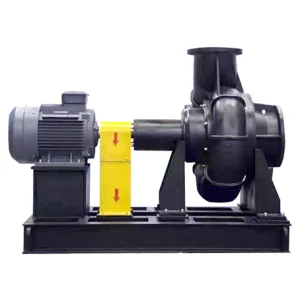
Engineered to meet the challenging specifications of industrial environments, including custom pump drives and high-voltage applications.
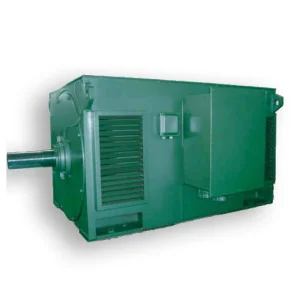
Our most widely specified high-output motor lines designed for heavy-duty industrial integration.
 Sunvim Motor