Discover premium-grade asynchronous and synchronous electric motors manufactured under strict international standards.
A deep analysis of slip dynamics, efficiency trade-offs, and custom-engineered rotor topologies.
In electric machinery, particularly three-phase induction motors, slip is not a design flaw but a fundamental physical necessity. By definition, slip ($s$) represents the difference between the synchronous speed of the magnetic field ($n_s$) rotating in the stator and the actual rotor speed ($n_r$), mathematically formulated as:
Without this speed differential, no electromagnetic induction would occur across the rotor bars, leading to zero induced rotor EMF, zero rotor current, and subsequently, zero torque. Modern industrial systems demand highly optimized slip characteristics. For instance, low-slip motors exhibit higher operational efficiency at full load, whereas high-slip motors are uniquely suited to withstand heavy shock loads or high inertia starting operations.
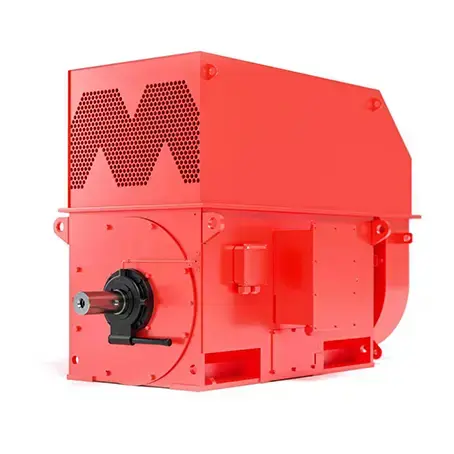
Custom slip optimization has transitioned from a niche engineering choice to an absolute necessity for global industrial processes. Custom motor slip design dictates the starting torque characteristics, operational efficiency profile, and thermal behavior of high-voltage modular induction motors (like the YKK or YLKK series) under variable load scenarios.
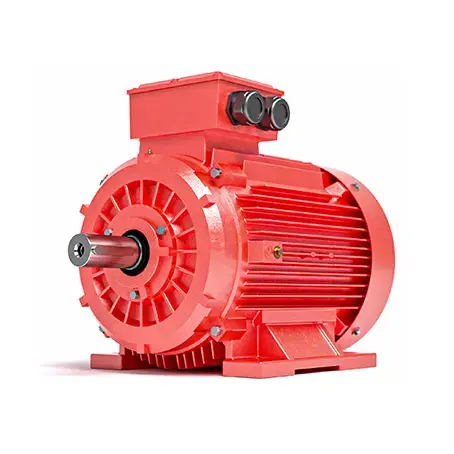
As the slip percentage increases, the frequency of the induced current in the rotor ($f_r = s \cdot f_s$) increases proportionally. This rise in frequency escalates skin effect phenomena within the rotor winding, resulting in higher localized resistance. Furthermore, the rotor copper losses ($P_{cr}$) are directly proportional to the slip value ($P_{cr} = s \cdot P_{ag}$, where $P_{ag}$ is the air-gap power). Consequently, high-slip operations inevitably produce substantial heat dissipation within the rotor assembly. Managing this thermal footprint requires custom cooling solutions, such as the axial and radial ventilation ribs found in advanced Y2 rib-cooled motors.
| Motor Category | Typical Slip Range | Rotor Resistance | Primary Industrial Applications | Efficiency Grade |
|---|---|---|---|---|
| Low Slip (NEMA Design A/B) | 0.5% - 2.5% | Low | Centrifugal Pumps, Continuous Conveyors, Blowers, Fans | IE3 to IE5 Premium |
| Medium Slip (NEMA Design C) | 3.0% - 5.0% | Medium | Reciprocating Compressors, Crusher Mills, High-load Feeders | IE2 to IE3 Standard |
| High Slip (NEMA Design D) | 5.0% - 13.0% | High | Punch Presses, Shearing Machines, Mining Hoists, Cranes | Standard to Low (Cyclic High-Torque) |
Empowering Global Heavy Industries through Rigorous Process Engineering and Strong Financial backing.
Across the global heavy manufacturing sector, the integration of custom-slip motors is paramount for system reliability. In Europe, energy directives (such as EN 50598 / IEC 60034-30-1) push heavily for Ultra-Premium Efficiency (IE4/IE5) and synchronous machines, driving motor customizers to develop low-slip technologies. Meanwhile, the heavy mining sectors in Australia and South Africa rely deeply on high starting-torque slip-ring induction motors, which handle the massive starting friction of crushers and grind mills without overloading local distribution grids.
China's industrial landscape offers an unmatched efficiency advantage in this specialized manufacturing segment. Combining integrated supply chain ecosystems with advanced automation, Chinese motor manufacturers can customize laminations, stator coils, and rotor slip dynamics with unparalleled precision. The production scale of premium Chinese motor manufacturers minimizes the premium cost typically associated with specialized custom equipment.
With over 60 years of deep-rooted expertise in electric motor research and manufacturing, Shandong Sunvim Motor Co., Ltd. represents the pinnacle of industrial innovation. Following a strategic corporate transformation in 2022, we have rapidly established a high-standard, modernized production ecosystem tailored for the future of global industry.
Backed by the powerful resources of Sunvim Group—a multi-billion RMB conglomerate—Shandong Sunvim Motor Co., Ltd. benefits from strong financial stability and strategic growth. Our expansive facilities house over 400 sets of advanced manufacturing, precision testing, and automated supporting equipment, driving an impressive annual production capacity of up to 3 million kilowatts.
State-of-the-art precision equipment guarantees dimensional accuracy and high-performance electric motors.
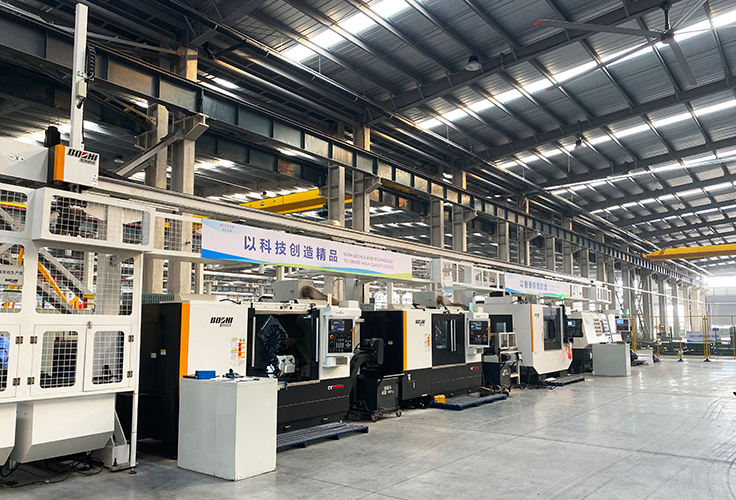
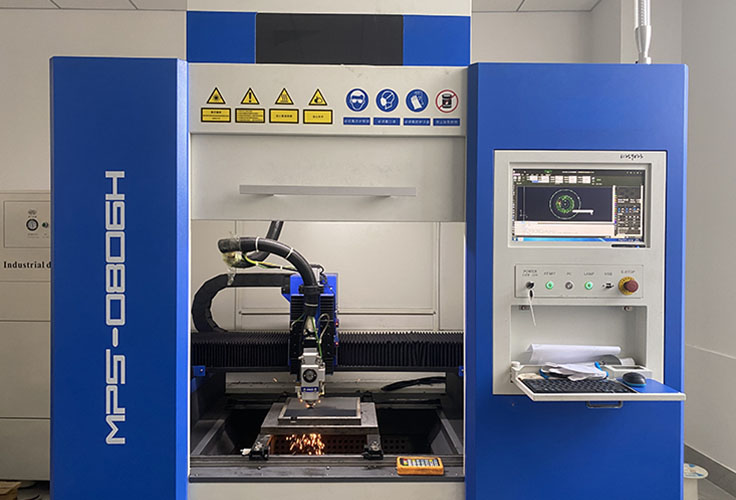
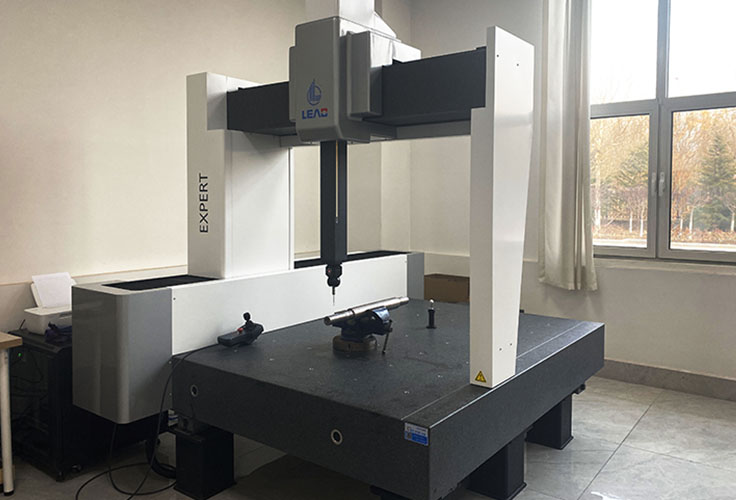
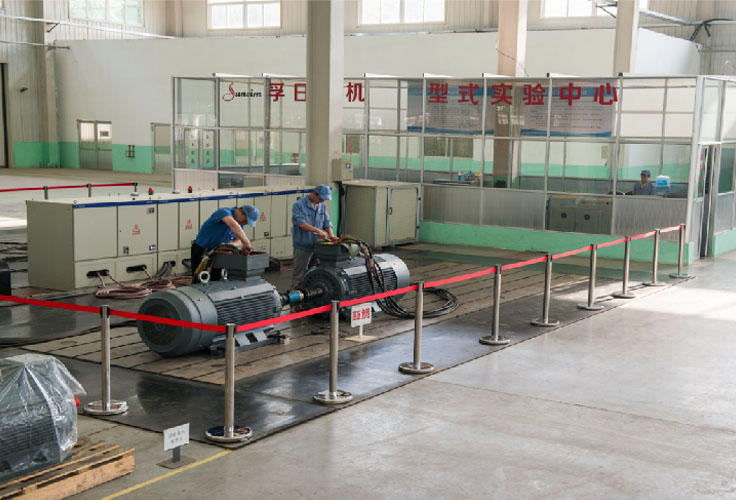
Engineering customizable starting currents and robust torque behaviors for the harshest operations on Earth.
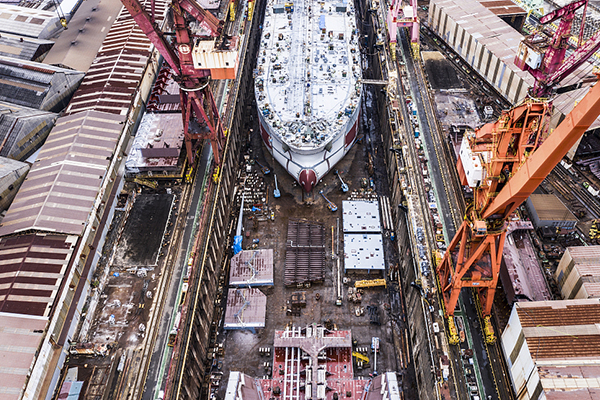
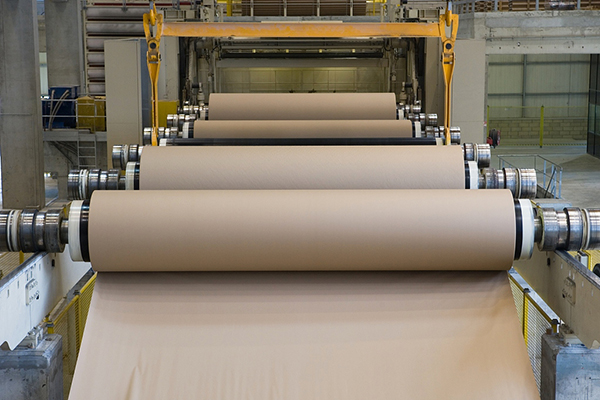
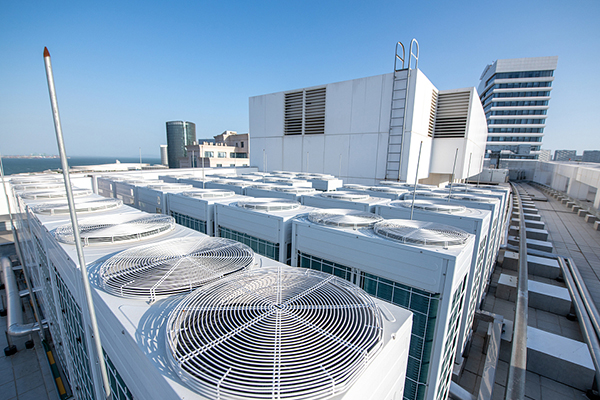


Sunvim motors are designed, tested, and certified for compliance across major global markets.
ISO9001:2015
CE

UKCA
UL
SABS
CCS
ABS
DNV
The technological intersection of Variable Frequency Drives (VFD) and High-efficiency Permanent Magnet Topologies.
The global electric motor industry is undergoing a major technological transformation. Traditional high-slip slip-ring motors, once essential for difficult starts, are increasingly paired with or replaced by modern Variable Frequency Drives (VFDs). VFDs dynamically adjust the stator frequency to maintain optimal slip under varying loads, reducing energy losses and thermal stress.
Concurrently, there is a strong shift toward Permanent Magnet Synchronous Motors (PMSMs) and Synchronous Reluctance Motors (SynRMs). Because these motors operate at synchronous speed with zero slip ($s = 0$), they eliminate rotor copper losses completely. This allows industrial systems to achieve IE4 and IE5 efficiency levels, cutting long-term operational costs.
Industrial procurement teams and engineering contractors (EPCs) must carefully balance upfront capital costs against lifetime operating expenses. When sourcing custom-slip electric motors, specifications must detail more than just nominal horsepower or kilowatt ratings. Key procurement parameters should include:
Direct engineering answers addressing standard inquiries on motor slip characteristics, efficiency grades, and operating parameters.
Premium high-performance electric motors designed for energy-efficient industrial upgrades.
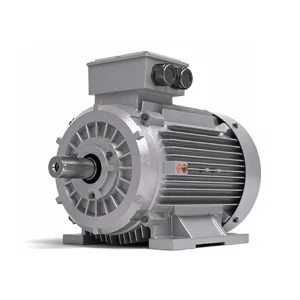
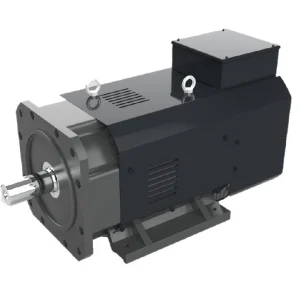
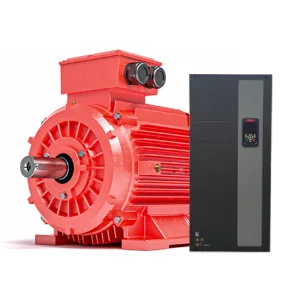
Highly trusted, high-output industrial solutions chosen by premium global buyers.
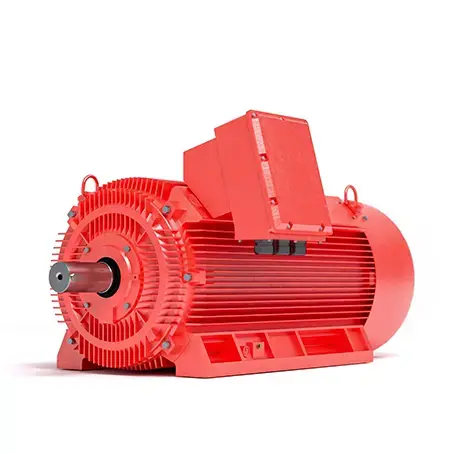
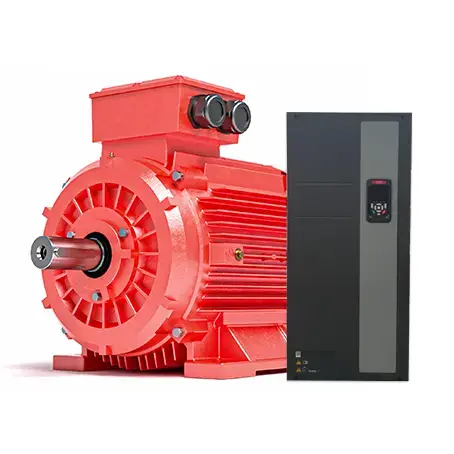
 Sunvim Motor