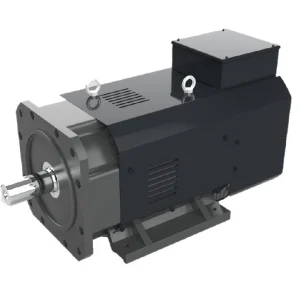
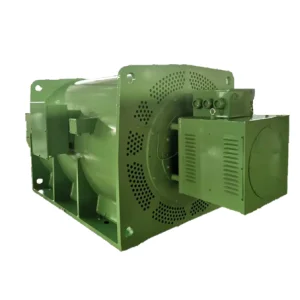
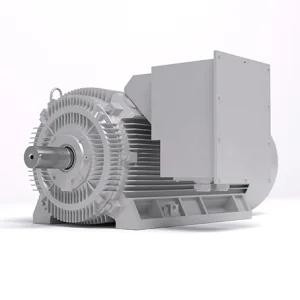
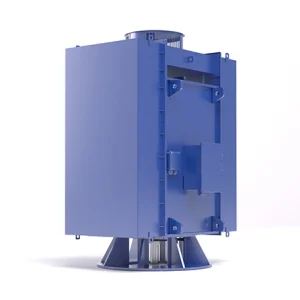
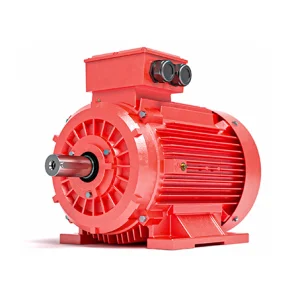
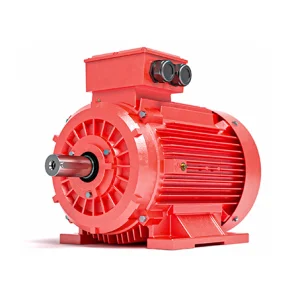
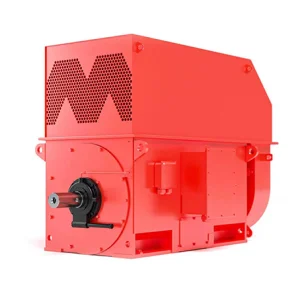
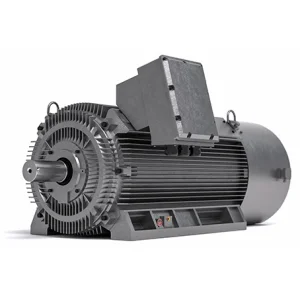
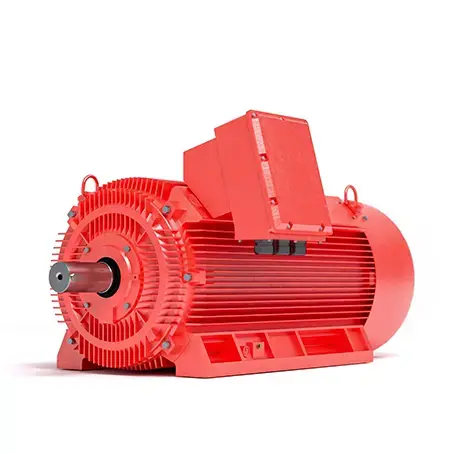
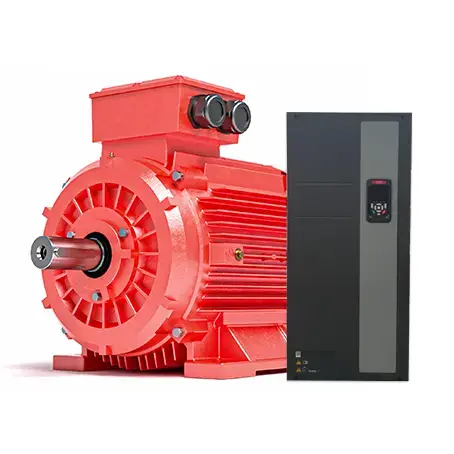
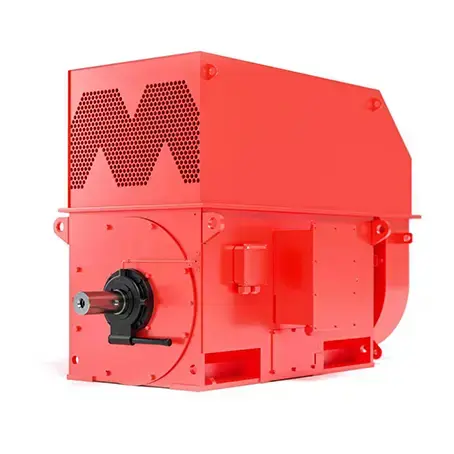
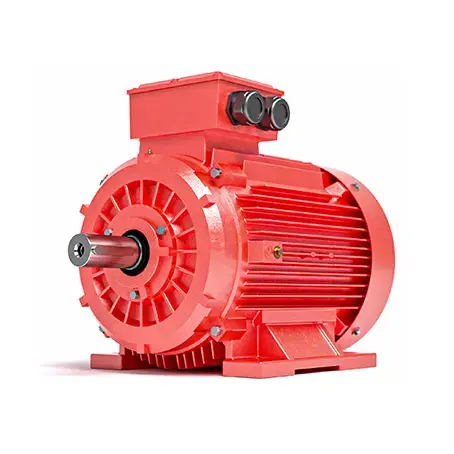
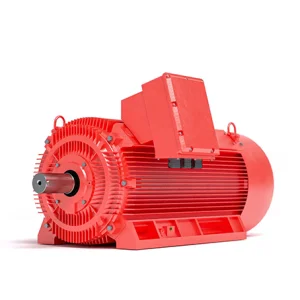
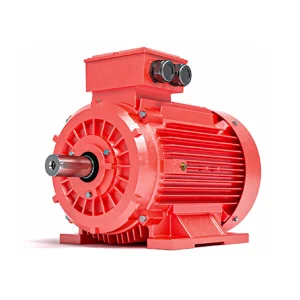
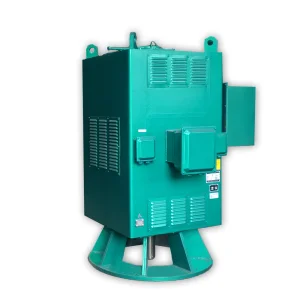
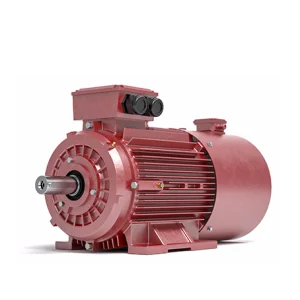
Explore our high-performance electric motors engineered for global industrial standards, providing maximum reliability and energy savings.
An in-depth analysis of energy efficiency classifications, electromagnetic design, and operational economics.
In the modern industrial landscape, electric motors are the primary drivers of mechanical power, consuming over 45% of global electricity. As nations strive to meet stringent carbon-neutrality targets, the efficiency of these machines has become a focal point for engineers, procurement officers, and plant managers. The International Electrotechnical Commission (IEC) established the IEC 60034-30-1 standard, which defines the International Efficiency (IE) classes for single-speed, three-phase, cage-induction motors. Understanding the transition from IE1 (Standard Efficiency) to IE2 (High Efficiency) is paramount when sourcing cost-effective solutions from a factory or company.
Information Gain Insight: While "Discount IE1" motors present a lower initial capital expenditure (CAPEX), they often incur significantly higher operational expenditure (OPEX) over their lifecycle. Conversely, "Discount IE2" motors strike the optimal balance between upfront cost and long-term energy savings, making them the baseline standard for modern industrial applications.
To achieve the higher efficiency thresholds required by the IE2 standard, manufacturers must implement key structural and electromagnetic design enhancements. These are not merely superficial changes; they involve advanced metallurgy, precision stator winding, and optimized rotor geometries:
| Technical Parameter | IE1 Standard Efficiency | IE2 High Efficiency | Industrial Impact |
|---|---|---|---|
| Efficiency Range (at 7.5 kW, 4-Pole) | ~86.0% to 87.0% | ~88.7% to 89.5% | Reduces energy consumption by 2.5% - 3.5% |
| Active Material Volume | Standard copper and steel weight | Increased copper and silicon steel volume (10-15% more) | Better thermal capacity and longer operational life |
| Operating Temperature | Higher thermal rise (Class B or F limits) | Lower operating temperature (runs cooler) | Extends insulation and bearing grease lifespan |
| Part-Load Performance | Drops significantly below 75% load | Maintains high efficiency down to 50% load | Ideal for variable load applications (pumps, fans) |
The global regulatory landscape is rapidly shifting away from low-efficiency motors. In the European Union, the Ecodesign Regulation (EU) 2019/1781 mandates IE3 or IE4 efficiency for most industrial motors, with IE2 being the absolute minimum for smaller or specific hazardous area motors. In emerging markets across Asia, South America, and Africa, IE1 motors are still widely used due to lower initial costs, but governments are actively introducing Minimum Energy Performance Standards (MEPS) to phase them out.
For global OEMs and industrial buyers, sourcing from a certified factory like Shandong Sunvim Motor Co., Ltd. ensures compliance with local regulations. Whether you require a custom IE1 motor for specific duty cycles (such as short-time duty S2 where high efficiency is less critical) or discount IE2/IE3 motors for continuous duty (S1) operations, understanding these macro trends is vital for future-proofing your supply chain.
To truly appreciate the value of an IE2 motor over an IE1 motor, one must look beyond the purchase price. Over a typical 10-to-15-year lifespan of an industrial motor, the purchase price accounts for a mere 2% to 3% of the Total Cost of Ownership (TCO). Maintenance represents about 1% to 2%, while energy consumption consumes a staggering 95% to 97% of the total cost.
Let us consider a practical scenario: A factory operates a 15 kW motor for 6,000 hours per year at an electricity rate of $0.12 per kWh.
• An IE1 motor operating at 88.7% efficiency will consume approximately 101,465 kWh annually, costing $12,175 in electricity.
• An IE2 motor operating at 90.6% efficiency will consume approximately 99,337 kWh annually, costing $11,920 in electricity.
• The annual saving is $255 per motor. If the price difference between a discount IE1 and a discount IE2 motor is only $100, the payback period is less than 5 months. Multiply this across a facility operating hundreds of motors, and the financial impact is monumental.
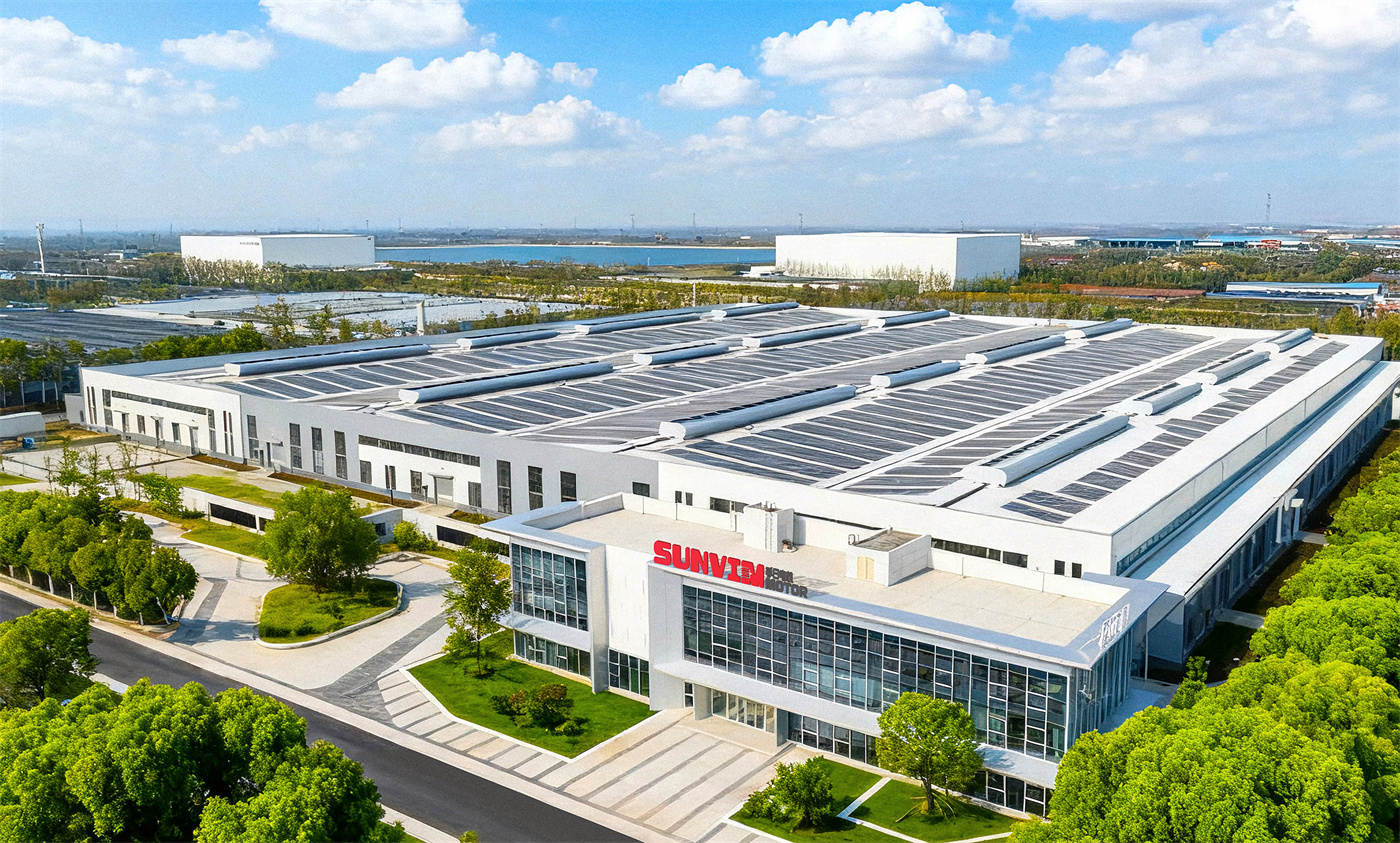
Our 53,000 m² advanced architectural footprint houses over 400 sets of precision manufacturing and testing machinery.
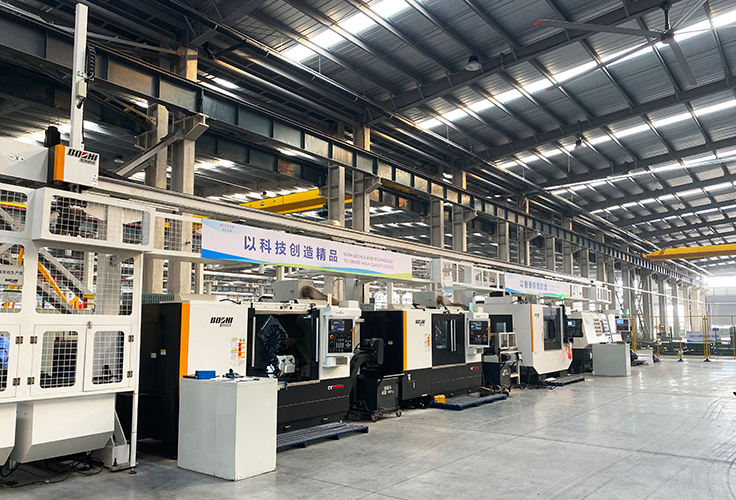
Ensures micron-level precision for rotor shaft alignment, reducing vibration and extending bearing life.
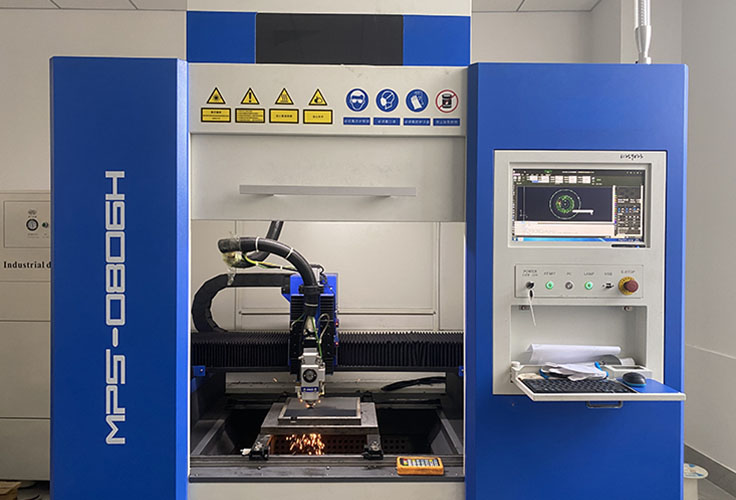
High-speed, high-accuracy cutting of stator and rotor laminations to minimize electromagnetic losses.
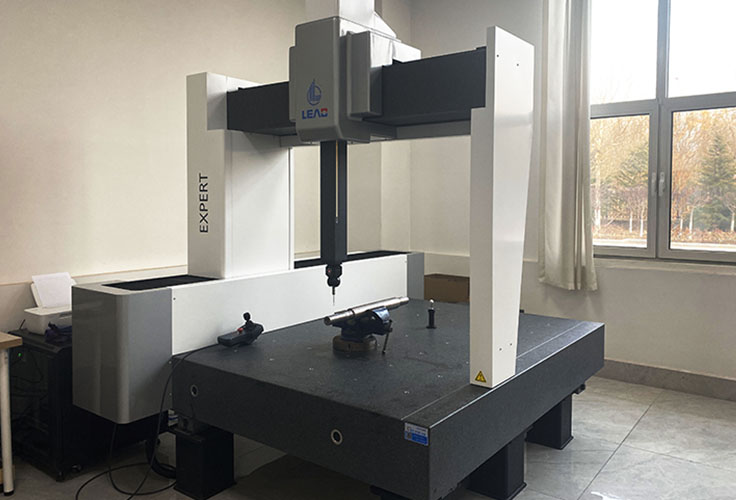
Advanced metrology equipment verifying structural tolerances to guarantee perfect mechanical assembly.
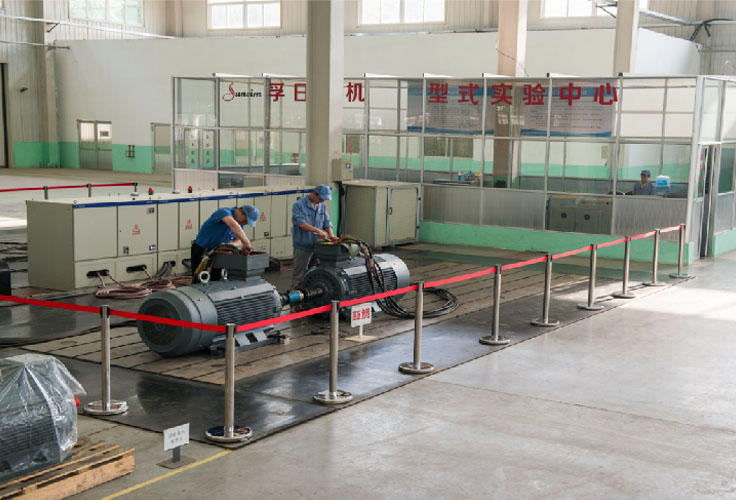
Comprehensive electrical and thermal testing facility to certify efficiency ratings under full load conditions.
Empowering Industries Since 1963. With over 60 years of deep-rooted expertise in electric motor research and manufacturing, Shandong Sunvim Motor Co., Ltd. represents the pinnacle of industrial innovation. Following a strategic corporate transformation in 2022, we have rapidly established a high-standard, modernized production ecosystem tailored for the future of global industry.
Backed by the powerful resources of Sunvim Group—a multi-billion RMB conglomerate—Shandong Sunvim Motor Co., Ltd. benefits from strong financial stability and strategic growth. Our expansive facilities house over 400 sets of advanced manufacturing, precision testing, and automated supporting equipment, driving an impressive annual production capacity of up to 3 million kilowatts.
Driven by the excellence of Sunvim Group, the SUNVIM brand has earned widespread international recognition. Our high-performance electric motors are trusted by global OEMs and industrial buyers across premier markets, including Germany, Italy, Greece, Spain, Belgium, Denmark, South Africa, Slovakia, Australia, Singapore, Indonesia, Malaysia, and Taiwan.
Gaomi Electric Appliance Factory was established, laying the foundation of our engineering heritage. In 1988, it was renamed as Weifang Electric Machinery Factory.
Mr. Sun, then the factory director, left the Gaomi Electric Appliance Factory and set up Gaomi Towel Factory, the predecessor of the prestigious Sunvim Group.
Weifang Electric Machinery Factory was acquired by Sunvim Group, and Shandong Sunvim Electrical Machinery Co. Ltd. was established to scale up production.
A brand new, state-of-the-art factory was completed in the Sunvim Industrial Park, and the company was officially renamed as Shandong Sunvim Motor Co., Ltd.
Our commitment to international standards is backed by rigorous testing and world-recognized certifications, ensuring seamless local compliance.

ISO9001: 2015
CE Mark

UKCA
UL Listed
SABS

CCS Marine
ABS Marine
DNV Marine
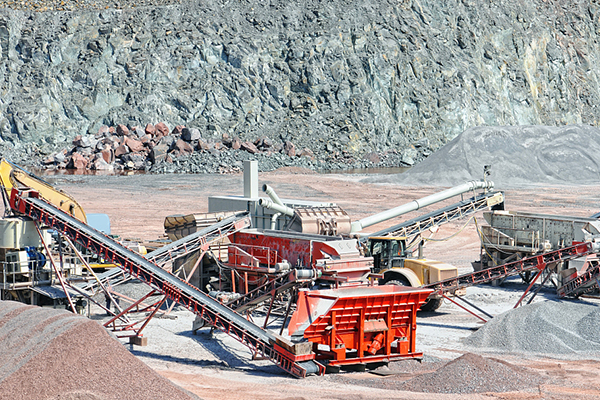
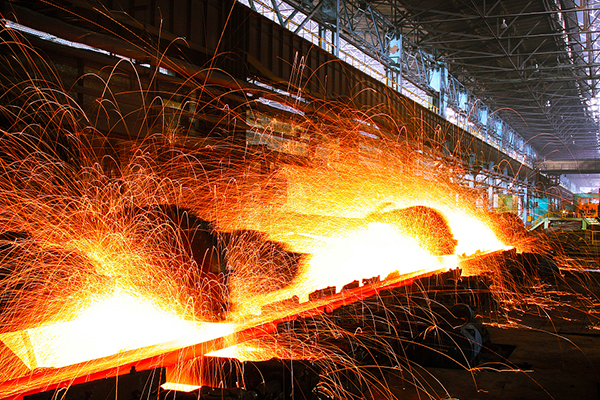
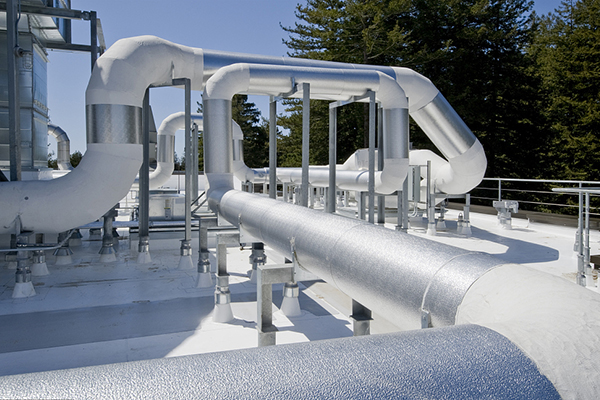
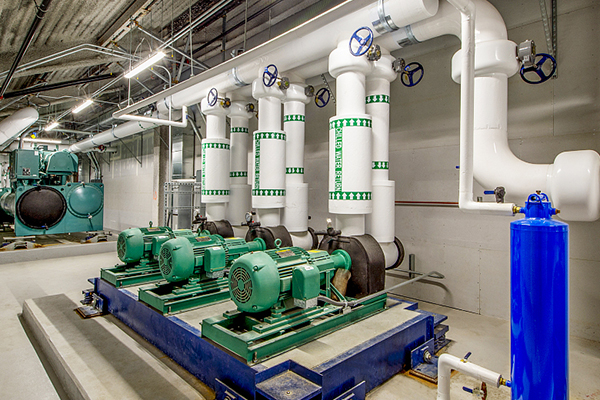
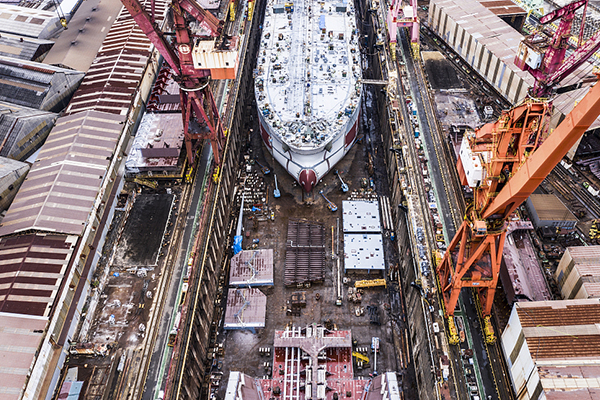
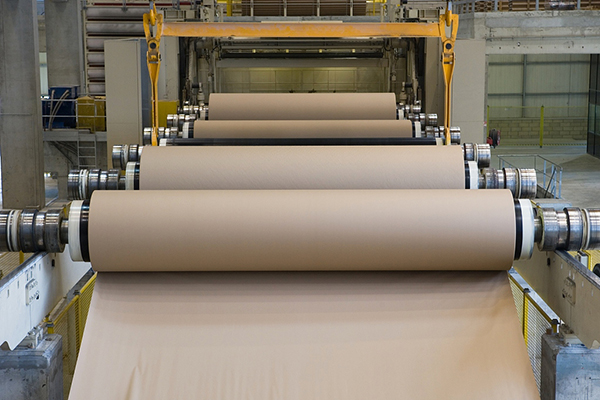
From heavy-duty mining machinery to high-precision ventilation, our motors are engineered to perform in the most demanding environments.
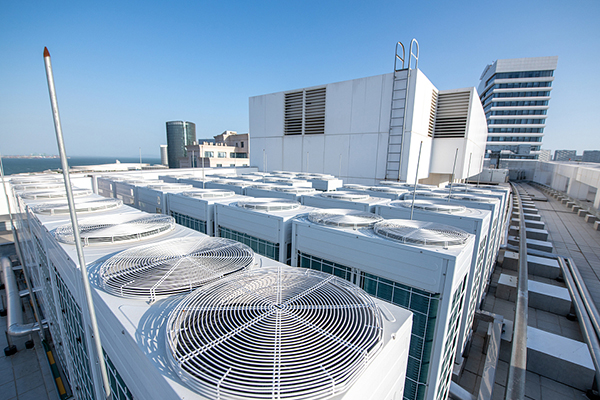

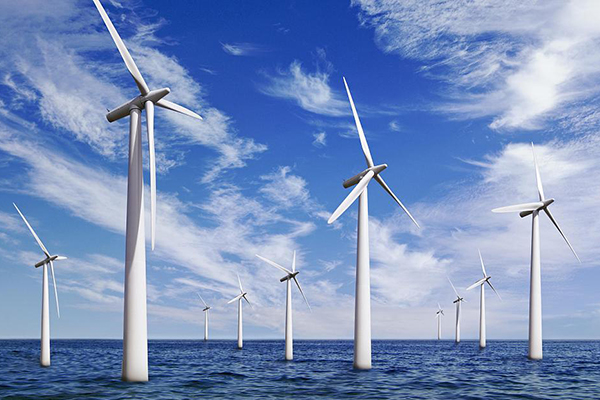
Pioneering the next generation of ultra-efficient motor technologies to drive global industrial sustainability.
As the industrial sector transitions toward Industry 4.0 and absolute decarbonization, the demand for efficiency is moving beyond the IE2 and IE3 baselines. Shandong Sunvim Motor Co., Ltd. is actively executing a forward-looking technical roadmap focused on IE4 (Super Premium Efficiency) and IE5 (Ultra-Premium Efficiency) motor technologies. By integrating advanced materials and smart diagnostics, we are redefining what is possible in electric machine design.
One of the most promising pathways to IE5 efficiency without the use of expensive rare-earth permanent magnets is the Synchronous Reluctance Motor. SynRMs combine the robust, low-maintenance design of an induction motor with the high-efficiency performance of a permanent magnet motor. By eliminating rotor copper losses entirely, SynRM technology offers unparalleled thermal performance and reliability, making it the ideal choice for variable-speed pump and fan applications.
For space-constrained applications requiring maximum torque density, our FP Series PM Motors represent the state of the art. Utilizing high-coercivity NdFeB magnets, these motors achieve ultra-premium efficiency levels while significantly reducing the physical footprint compared to standard induction motors. This technology is crucial for modern electric vehicles, marine propulsion, and high-performance industrial machinery.
The future of motor technology is not just about efficiency; it is about intelligence. Sunvim is developing integrated smart sensor modules that monitor vibration, temperature, and current in real-time. By leveraging edge computing and AI algorithms, these systems can predict mechanical failures before they occur, reducing unplanned downtime and optimizing the overall lifecycle cost of the industrial plant.
Explore our highly-demanded premium motor series trusted by global industrial leaders.
Get professional answers to common queries regarding IE1 and IE2 motor sourcing, efficiency regulations, and technical parameters.
High-quality, certified electric motors designed to meet diverse industrial requirements globally.
 Sunvim Motor