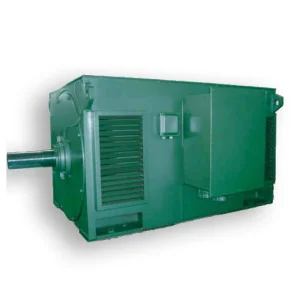
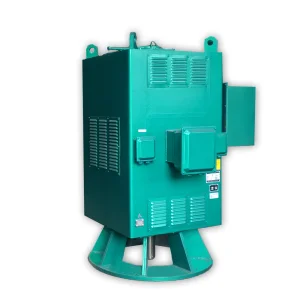
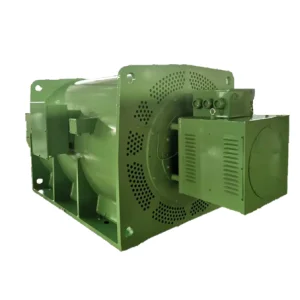
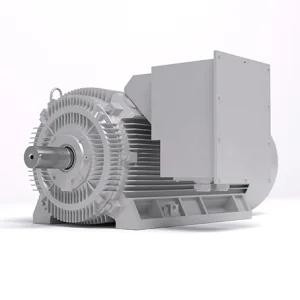
In modern industrial drives, the choice of motor efficiency is a critical determinant of long-term economic performance and carbon reduction pathways. The International Electrotechnical Commission (IEC) has established standards that divide low-voltage three-phase asynchronous motors into discrete efficiency classes: IE1 (Standard Efficiency), IE2 (High Efficiency), IE3 (Premium Efficiency), and IE4 (Super Premium Efficiency). Moving from one class to the next is not merely a compliance milestone but represents a profound leap in magnetics, metallurgy, thermal dynamics, and mechanical tolerances.
While an IE3 Premium Efficiency motor represents a robust baseline that meets strict regulatory minimums in the European Union, United States, and China, the transition to IE4 Super Premium Efficiency delivers substantial additional reduction in electrical losses. Typically, IE4 motors suffer 15% to 20% fewer power losses compared to their IE3 counterparts. In heavy industrial operations running 24/7/365, this reduction in internal losses scales into significant cost reductions and a much lower thermal footprint, directly extending winding insulation life and bearing maintenance intervals.
Over a typical 15-year industrial lifecycle, procurement cost represents only 2% to 3% of a motor's total cost of ownership. The remaining 97%+ is entirely driven by electricity consumption. By upgrading from IE3 to IE4, operators can achieve operational payback within 12 to 18 months, with continuous net-positive cash flows for the remainder of the equipment’s lifecycle.
Achieving IE4 standards requires precise optimization of the motor's internal architecture. This includes using premium grade cold-rolled silicon steel sheets with low iron loss per kilogram (typically thinner laminations such as 0.35mm instead of 0.50mm), optimizing stator slot design to increase copper fill factors, and implementing advanced permanent magnet rotors or synchronous reluctance technologies. These enhancements significantly mitigate copper losses ($P_{cu}$), iron core losses ($P_{fe}$), and mechanical stray losses, enabling the motor to operate coolly under varying load profiles.
| Performance Parameter | IE3 Premium Efficiency | IE4 Super Premium Efficiency | Operational Impact & Advantage |
|---|---|---|---|
| Nominal Losses (%) | Baseline Reference | 15% to 22% Lower Loss Structure | Substantially reduced operating temperatures, enabling extended lubrication cycles. |
| Rotor Architecture | Cast Aluminum / Copper Squirrel Cage | Advanced PM (Permanent Magnet) / SynRM Rotor Option | Virtually eliminates rotor copper losses, providing high efficiency across fractional loads. |
| Cold-Rolled Steel Quality | Standard High-Silicon Steel Sheets | Ultra-Thin, Low-Loss Laminated Silicon Steel | Significantly reduces magnetic eddy current loss ($P_{fe}$) within the stator core structure. |
| Thermal Load Performance | Class B or F Rise Under Nom. Load | Reduced Thermal Gradient (Class B Rise max) | Every 10°C drop in winding temperature effectively doubles the life expectancy of insulation materials. |
| Variable Frequency Performance | Moderate Performance across Speed Range | Exceptional Torque Performance at Low Frequencies | Ideal for integration in high-demand Variable Speed Drive (VSD) systems. |
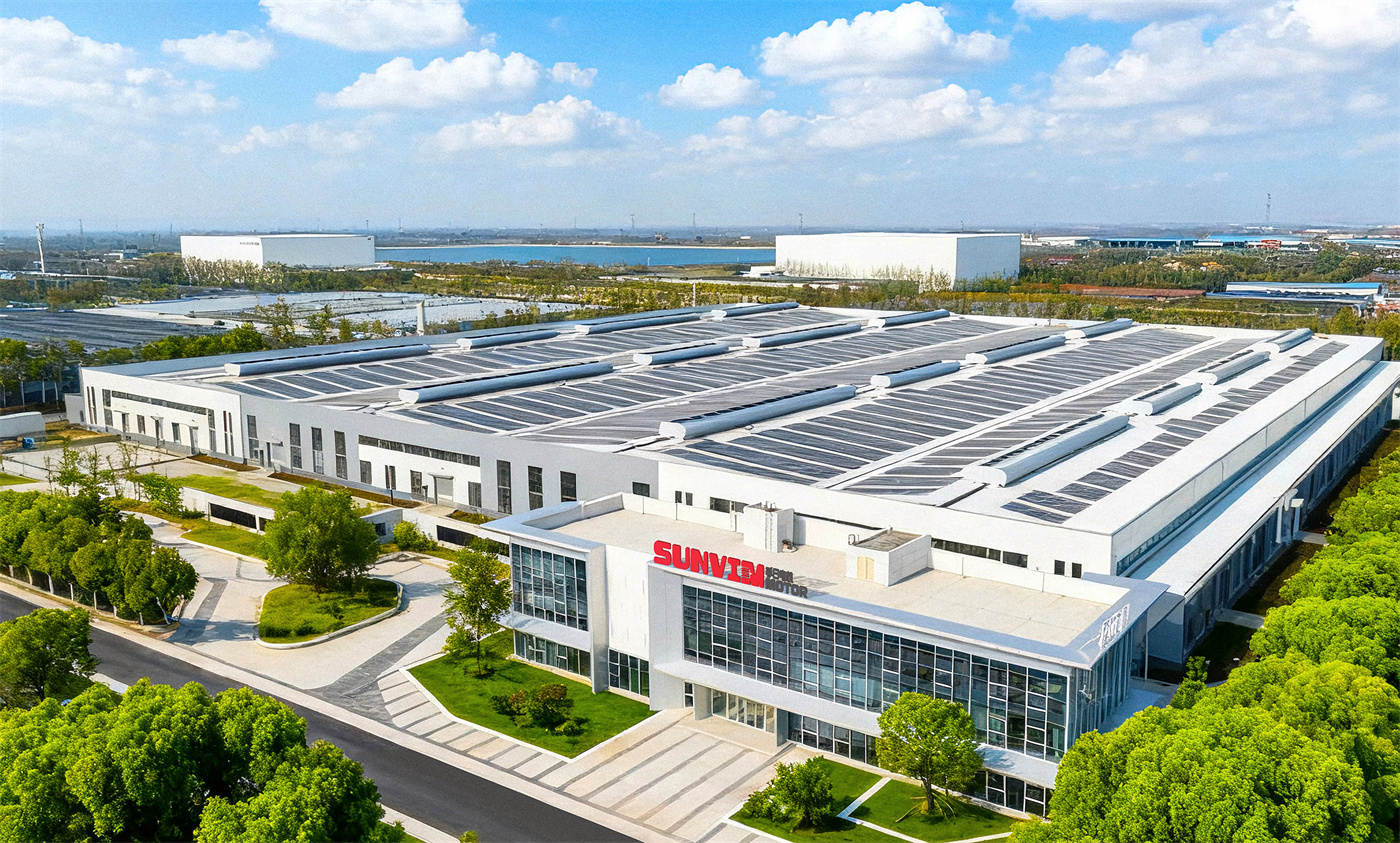
Empowering Industries Since 1963. With over 60 years of deep-rooted expertise in electric motor research and manufacturing, Shandong Sunvim Motor Co., Ltd. represents the pinnacle of industrial innovation. Following a strategic corporate transformation in 2022, we have rapidly established a high-standard, modernized production ecosystem tailored for the future of global industry. Backed by the powerful resources of Sunvim Group—a multi-billion RMB conglomerate—Shandong Sunvim Motor Co., Ltd. benefits from strong financial stability and strategic growth. Our expansive facilities house over 400 sets of advanced manufacturing, precision testing, and automated supporting equipment, driving an impressive annual production capacity of up to 3 million kilowatts.
Today, Sunvim Motor has evolved into a premier enterprise seamlessly integrating R&D, world-class manufacturing, global distribution, and dedicated customer service. Driven by the excellence of Sunvim Group, the SUNVIM brand has earned widespread international recognition. Our high-performance electric motors are trusted by global OEMs and industrial buyers across premier markets, including Germany, Italy, Greece, Spain, Belgium, Denmark, South Africa, Slovakia, Australia, Singapore, Indonesia, Malaysia, and Taiwan.
Modern industrial supply chains demand exceptional quality consistency, cost-effectiveness, and rapid scalability. In the sector of high-efficiency motor manufacturing, China has transformed from a labor-intensive assembler to a global capital and technology-intensive hub. By leveraging fully integrated supply ecosystems, highly automated manufacturing lines, and deep domestic silicon steel processing capacities, Chinese factories like Shandong Sunvim Motor Co., Ltd. can offer premium IE3 and IE4 motors at a highly competitive total acquisition cost.
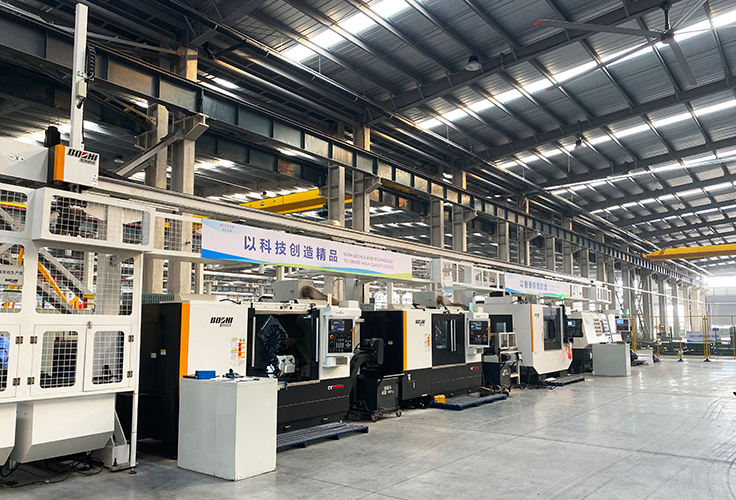
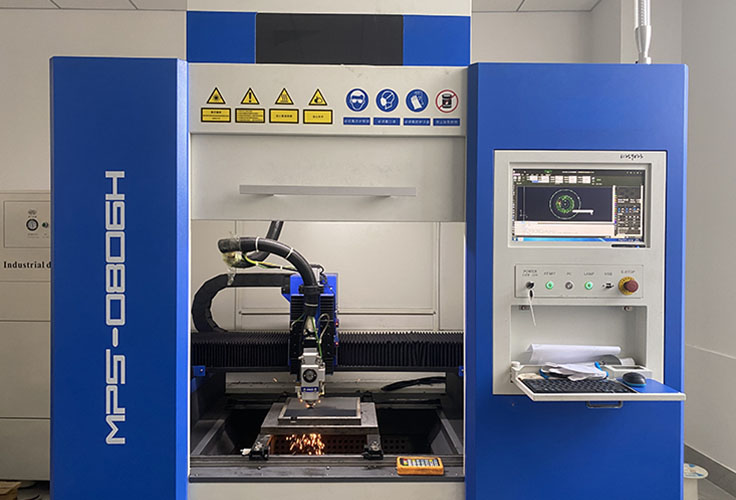
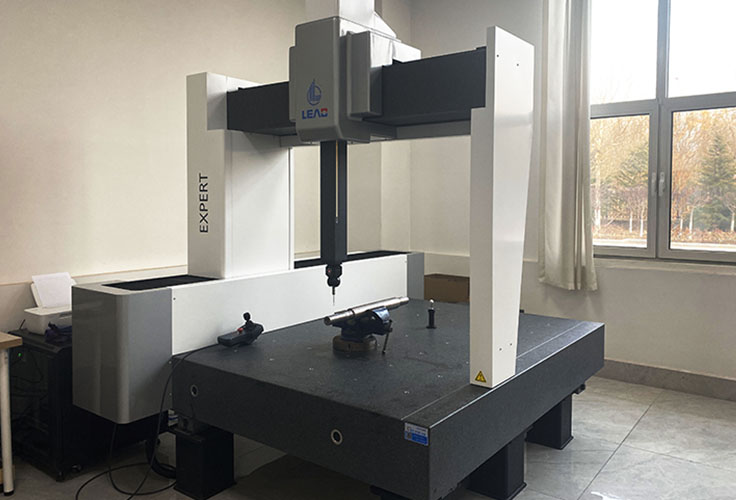
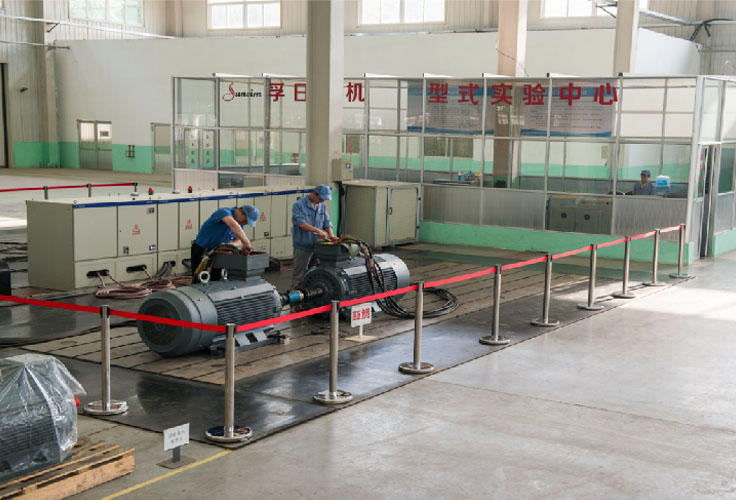
Our facility houses a specialized collection of advanced machinery designed to eliminate human error, enhance mechanical tolerances, and verify product performance before leaving the floor. By ensuring tight machining tolerances in shafts and rotor assemblies, we minimize windage, friction, and magnetic unevenness—crucial parameters for meeting IE4 Super Premium criteria.
To operate seamlessly inside strictly regulated global industries, our motors hold comprehensive design approvals and compliance certificates across major jurisdictions.
 ISO9001:2015
 CE
CE
 UKCA
UKCA
 UL
UL
 SABS
SABS
 CCS
CCS
 ABS
ABS
 DNV
DNV
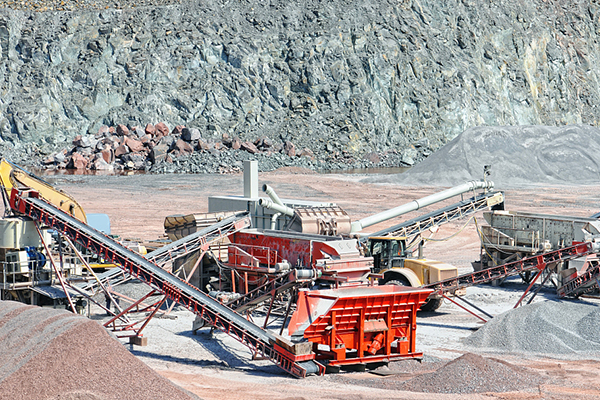
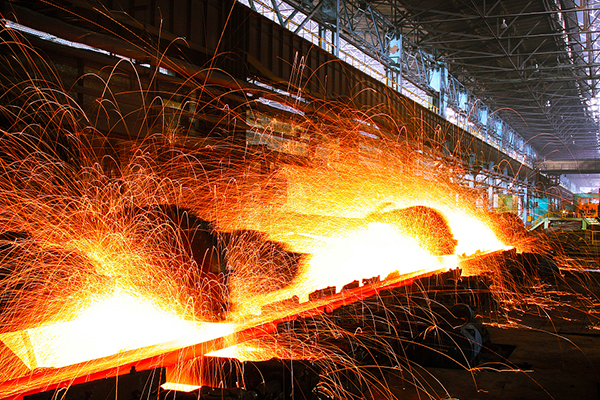
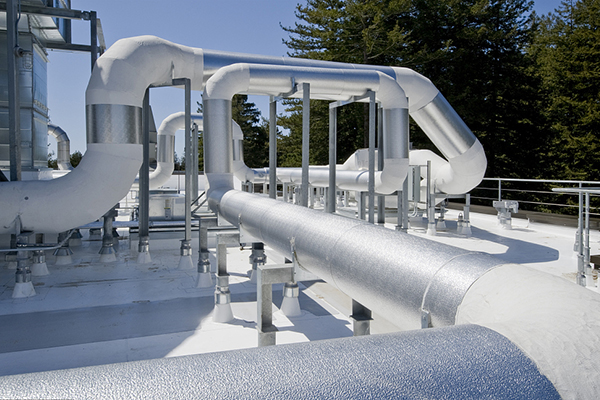
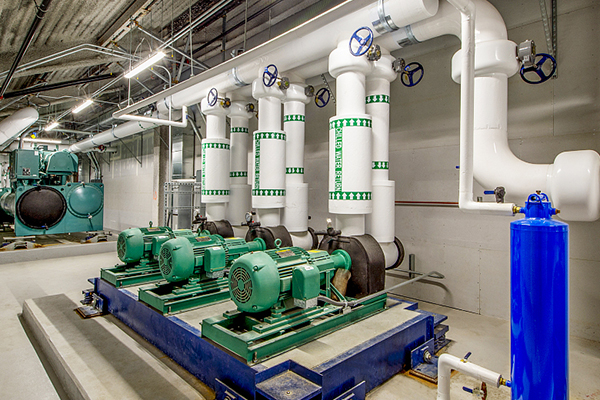
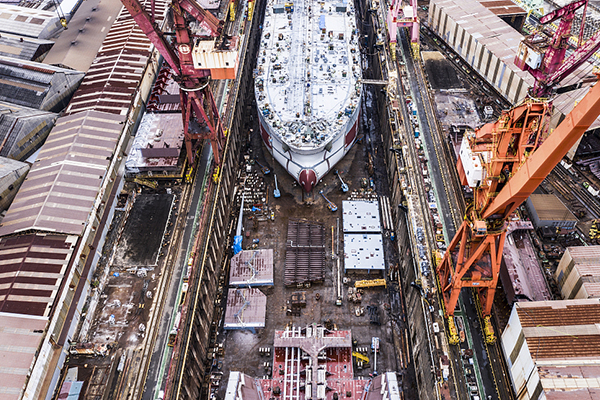
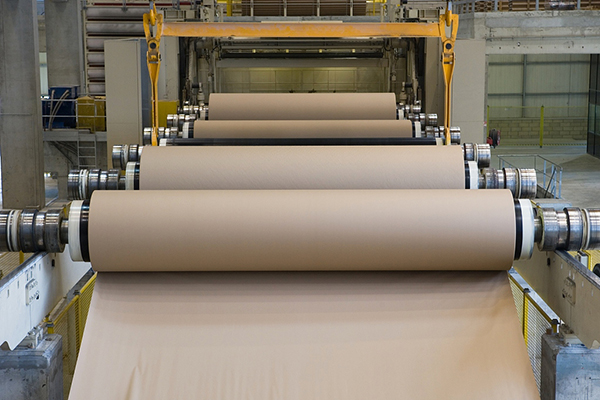
Electric motors consume over 70% of total electrical energy in industrial environments. Choosing high-efficiency motor structures tailored for complex macro applications is an urgent operational priority. From corrosive chemical zones to remote offshore installations, Sunvim's IE3 and IE4 industrial motors are built to deliver superior survivability, high starting torque, and continuous operational integrity.

For procurement officers, engineering directors, and global supply chain managers, purchasing high-efficiency motors involves balancing direct equipment cost, technical compliance, and operating cost. Implementing an enterprise-wide shift from IE3 to IE4 motors represents a major step toward long-term carbon reduction. However, it requires a thorough understanding of localized variables, motor duty cycles, and energy costs.
Motors running in continuous duty cycles (S1) represent the strongest candidates for immediate IE4 upgrades. The investment yields rapid payback when running more than 4,000 hours per year.
Regions with high industrial electricity rates see significantly shorter ROI periods. IE4 technology helps mitigate the operational risk associated with global energy price fluctuations.
Evaluating initial premium costs alongside thermal load reductions, winding lifespans, and reduced maintenance costs shows that IE4 offers the lowest TCO over the equipment's operational life.
Let's evaluate a 110 kW asynchronous induction motor running 8,000 hours per year at a loaded power of 90 kW. With a local electricity price of $0.12 per kWh, the annual energy bill for this motor exceeds $86,000 USD. A standard IE3 motor achieves approximately 95.4% efficiency in this range. In contrast, an IE4 motor delivers 96.3% efficiency.
The efficiency offset translates into a direct reduction in input power requirement: $$\text{Power Saved} = P_{\text{output}} \times \left( \frac{1}{\eta_{\text{IE3}}} - \frac{1}{\eta_{\text{IE4}}} \right) = 90\,\text{kW} \times \left( \frac{1}{0.954} - \frac{1}{0.963} \right) \approx 0.88\,\text{kW}$$ Over 8,000 operating hours, the annual savings equate to 7,040 kWh, translating to over $844 USD in direct savings per motor annually. Over a fleet of 50 motors, the operational cost reduction exceeds $42,000 USD per year, showcasing how minor efficiency increases scale into major financial gains.
Generally, yes. Under the IEC frame sizing standard, most manufacturers design IE4 motors to maintain the same frame size dimensions (shaft height, foot mounting pattern) as corresponding IE3 models. However, due to the increased active materials (thicker copper wire, longer laminated stack) required to reduce energy losses, some high-power IE4 models may feature slightly longer frame lengths or heavier weights. It is highly recommended to verify mechanical drawings for physical clearances prior to installation.
IE4 motors are designed with highly optimized stator slot configurations and lower rotor resistance, which can occasionally result in slightly higher inrush currents ($I_k$) during direct-on-line (DOL) starts compared to older standard models. This can be effectively managed by integrating modern soft starters or Variable Frequency Drives (VFDs), which optimize current profiles during startup and prevent transient voltage drops on the local grid.
One of the major benefits of moving to IE4—especially models featuring Permanent Magnet (PM) or Synchronous Reluctance (SynRM) designs—is their exceptional partial load curve. While standard induction motors suffer a significant efficiency drop below 50% capacity, IE4 motors maintain a highly consistent efficiency profile from 25% up to 100% load, making them ideal for dynamic processes like variable speed pumps, ventilation fans, and compressors.
Shandong Sunvim utilizes an integrated production model. By leveraging over 400 sets of advanced manufacturing and precision machinery, including automatic shaft machining lines and high-precision laser cutters, we minimize variance across production runs. Every batch of motors undergoes dynamic balance verification, winding isolation integrity tests, and full electrical configuration trials at our Type Test Center before shipping.
 Sunvim Motor