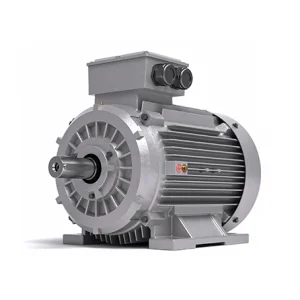
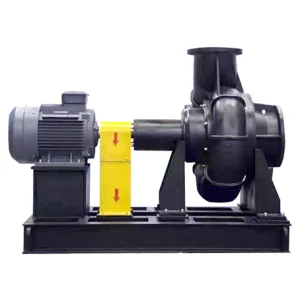
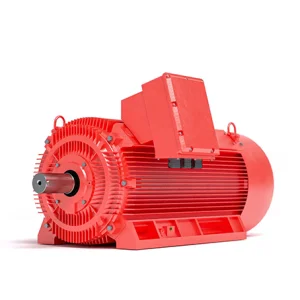
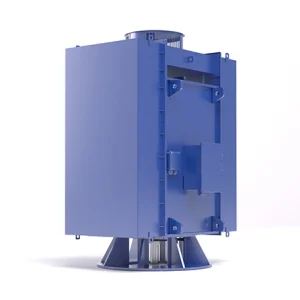
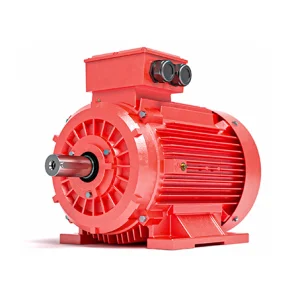
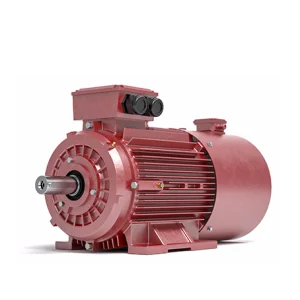
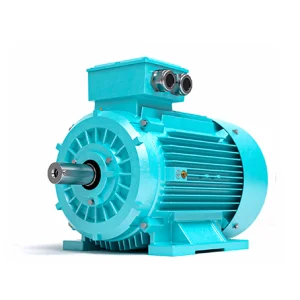
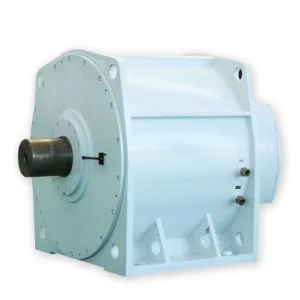
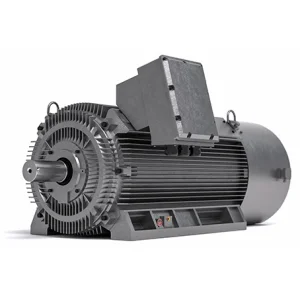
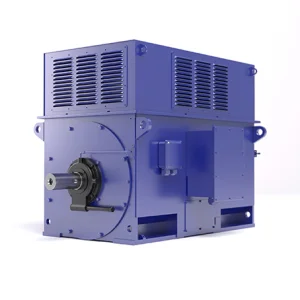
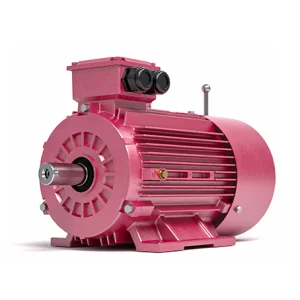
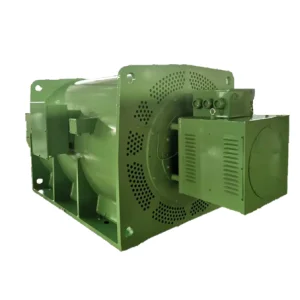
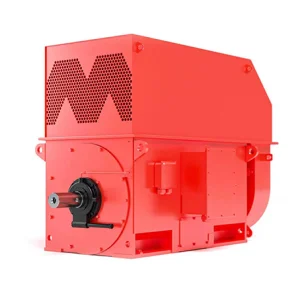
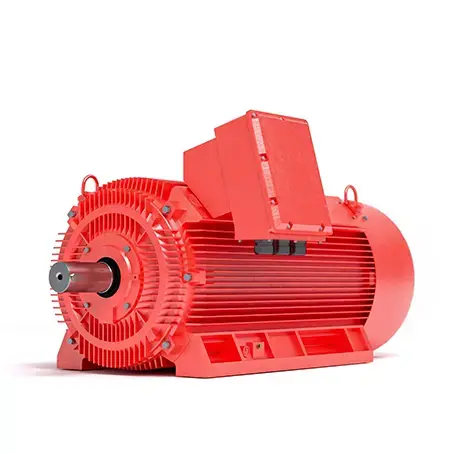
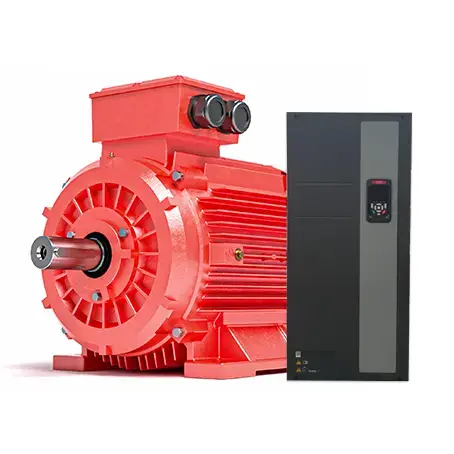
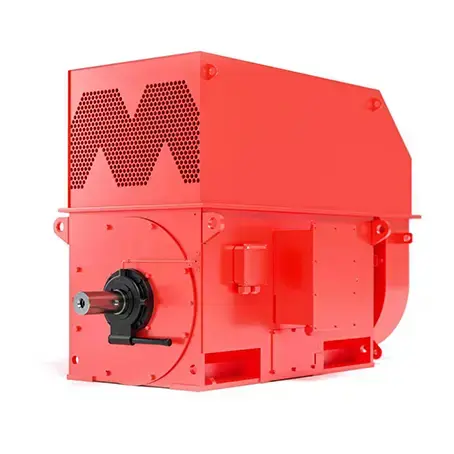
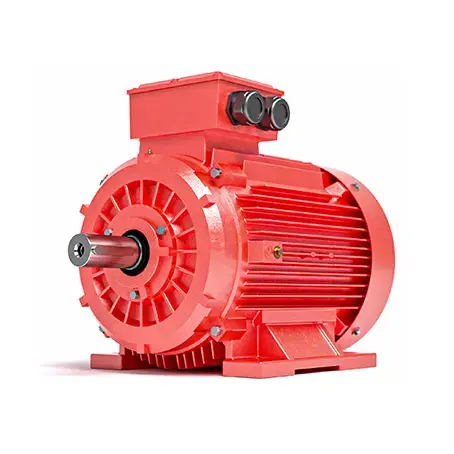
Explore our premium grade standard and custom-engineered industrial electric motors designed to maximize torque density and deliver unparalleled performance under continuous loads.
In modern industrial engineering, efficiency and thermal management represent the twin challenges of heavy-duty machinery. The shift from standard low-voltage systems (380V–400V) to 690V (three-phase AC) distribution grids is rapidly becoming the benchmark for heavy-duty process industries. Utilizing a 690V supply enables design engineers to significantly mitigate line losses, reduce installation expenditure, and minimize overall system footprint.
From an electro-technical standpoint, operating at a higher voltage means that for the same output power (P = √3 × U × I × cosφ), the operating current (I) is dramatically reduced by approximately 43% compared to a 400V system. According to Joule’s Law (P_loss = I²R), the electrical power lost as thermal energy in cabling is proportional to the square of the current. Reducing the current by nearly half translates into an impressive 70% reduction in cable transmission line losses. This optimization yields monumental energy savings across vast, interconnected industrial facilities, directly impacting operational expenditures (OPEX) and lowering carbon emissions.
Furthermore, standardizing on 690V allows engineers to deploy significantly thinner copper cabling. Reducing cable cross-sectional area demands not only lowers precious metal procurement expenses, but also eases architectural installation in complex cable trays, reducing labor cost and maximizing structural longevity. This structural advantage makes the 690V motor a critical component in sectors requiring long-distance power supply networks, such as underground mining complexes, off-shore wind farms, maritime vessels, and large chemical processing plants.
The global electric motor industry is undergoing a regulatory revolution. The European Union’s Ecodesign Directive, alongside matching regulatory mandates in North America and Asia-Pacific, has raised the minimum efficiency standard for industrial induction motors. Systems must now meet IE3 (Premium Efficiency) and, increasingly, IE4 (Super Premium Efficiency) ratings, with pioneering engineering targeting IE5 (Ultra-Premium Efficiency) thresholds.
Because higher efficiency ratings require reducing electromagnetic losses within the stator core and rotor assembly, 690V configurations play a vital role. By minimizing resistive I²R heat generated inside the motor stator windings, thermal strain is substantially mitigated. Lower operational temperatures extend the lifespan of winding insulation materials (typically Class F or H systems), optimize bearing grease consistency, and prevent unplanned downtime. Industrial plants operating 24/7/365 rely heavily on this operational reliability to safeguard their supply chains and manufacturing timelines.
Established with 60+ Years of Manufacturing Expertise
RMB Capital Investment Driving Innovation
State-of-the-Art Total Facility Area
Advanced Architectural Construction Footprint
Backed by the powerful resources of Sunvim Group—a multi-billion RMB conglomerate—Shandong Sunvim Motor Co., Ltd. benefits from strong financial stability and strategic growth. Our expansive facilities house over 400 sets of advanced manufacturing, precision testing, and automated supporting equipment, driving an impressive annual production capacity of up to 3 million kilowatts.
Today, Sunvim Motor has evolved into a premier enterprise seamlessly integrating R&D, world-class manufacturing, global distribution, and dedicated customer service.
Driven by the excellence of Sunvim Group, the SUNVIM brand has earned widespread international recognition. Our high-performance electric motors are trusted by global OEMs and industrial buyers across premier markets, including Germany, Italy, Greece, Spain, Belgium, Denmark, South Africa, Slovakia, Australia, Singapore, Indonesia, Malaysia, and Taiwan.
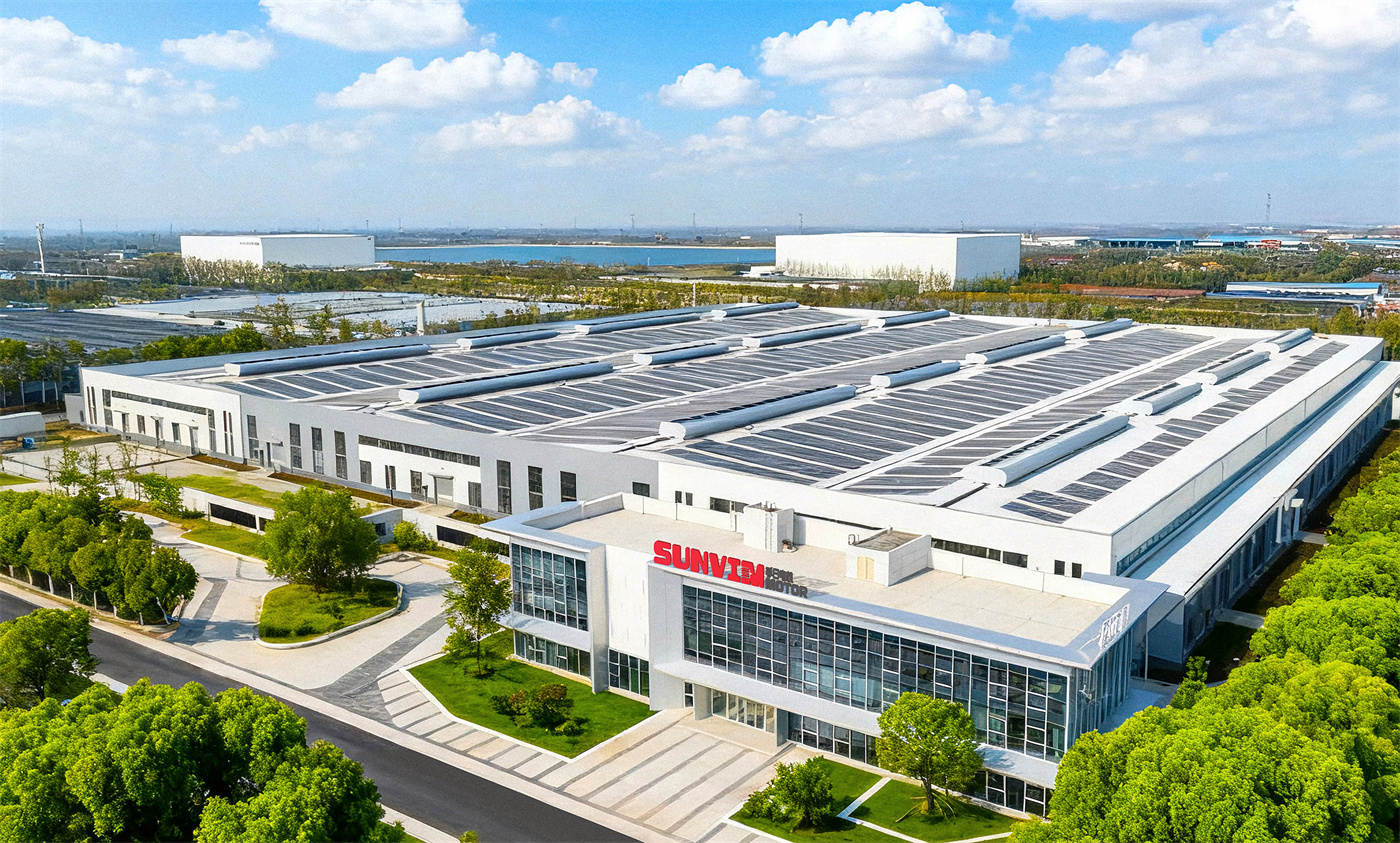
Our commitment to zero-defect quality and precise electrical tolerances is supported by an array of world-class automated machinery and high-precision inspection tools.
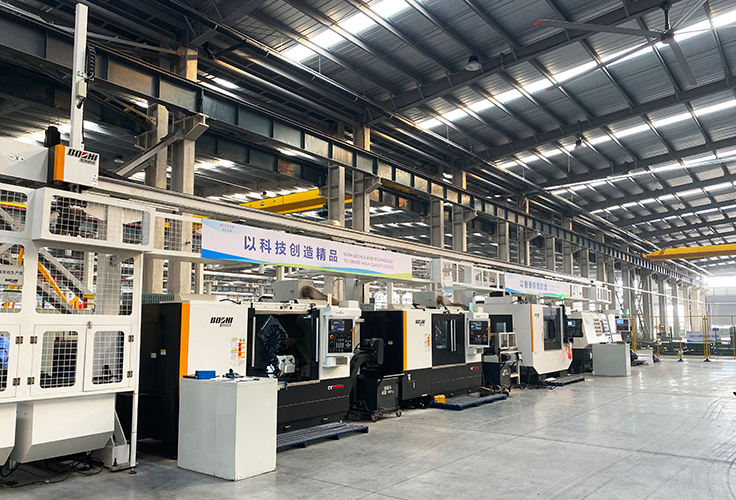
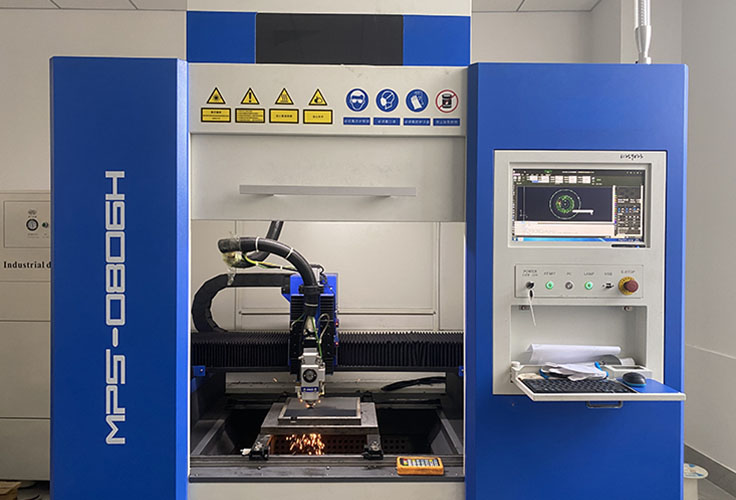
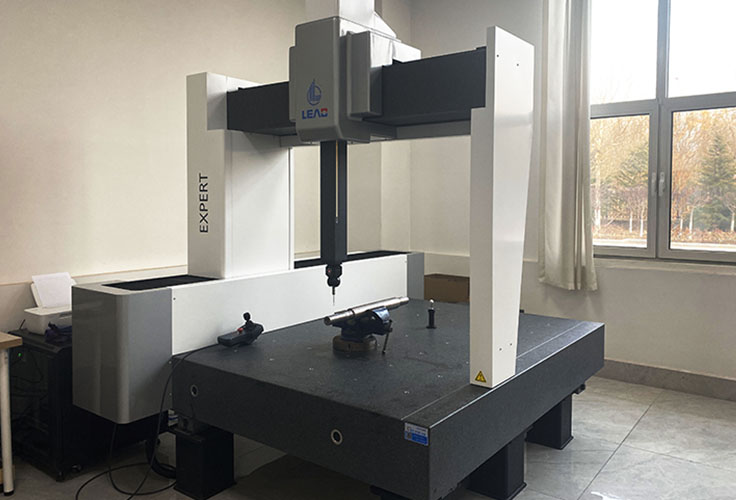
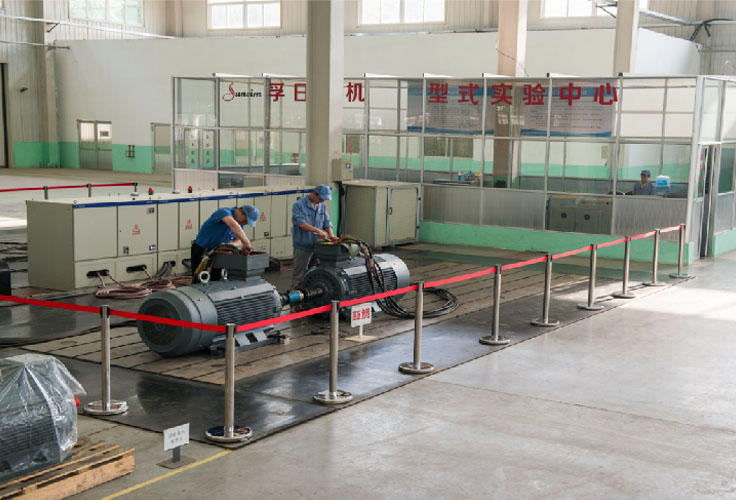
Each production cell at Sunvim is engineered for maximum repeatability and precision. The Automatic Machining Line of Shaft guarantees shaft tolerance within micron ranges, eliminating vibration vectors that lead to early bearing failure. The Laser Cutter provides precise fabrication of magnetic laminations, reducing eddy current occurrences that diminish electrical efficiency. Our Three-Dimensional Coordinate Measuring Instrument (CMM) offers continuous geometric validation, ensuring each structural component aligns with physical designs, while our state-of-the-art Type Test Center dynamically verifies performance across simulated high load and voltage configurations.
Our history reflects a solid legacy of industrial adaptation, technical expansion, and structural longevity, proving our credentials as a trusted industry partner.
Gaomi Electric Appliance Factory was established. In 1988, renamed as Weifang Electric Machinery Factory.
Mr. Sun, then the factory director, left the Gaomi Electric Appliance Factory and set up Gaomi Towel Factory, the predecessor of Sunvim.
In 2008, Weifang Electric Machinery Factory was acquired by Sunvim, Shandong Sunvim Electrical Machinery Co. Ltd. was established.
In 2022, a new factory completed in Sunvim industrial park and was renamed as Shandong Sunvim Motor Co. Ltd.
Sunvim electric motors comply with major international directives, satisfying global electrical parameters and strict regulatory framework specifications.

ISO9001: 2015
CE

UKCA

UL
SABS
CCS
ABS
DNV
Engineered to excel in demanding environments, Sunvim motors deliver high reliability across critical global industrial sectors.
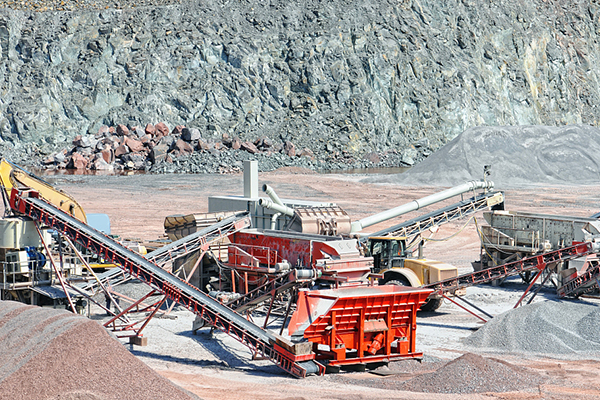
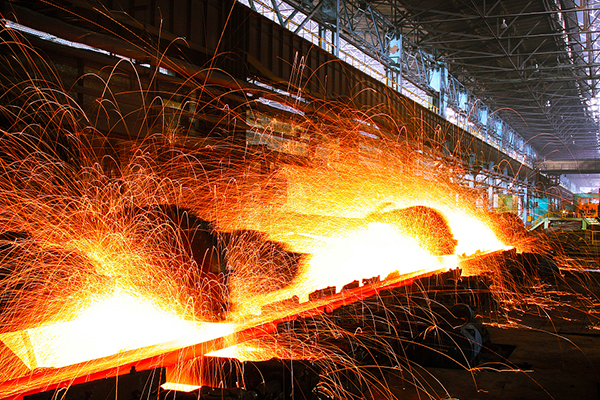
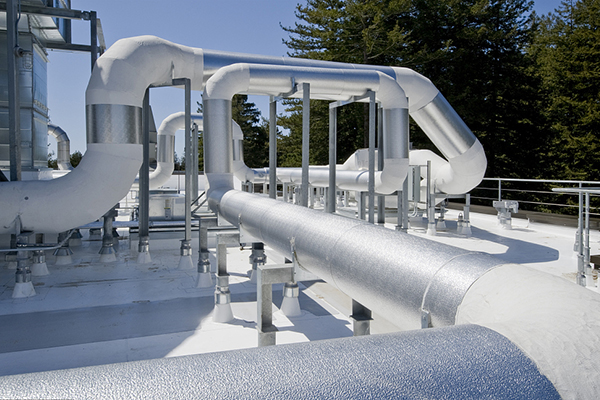
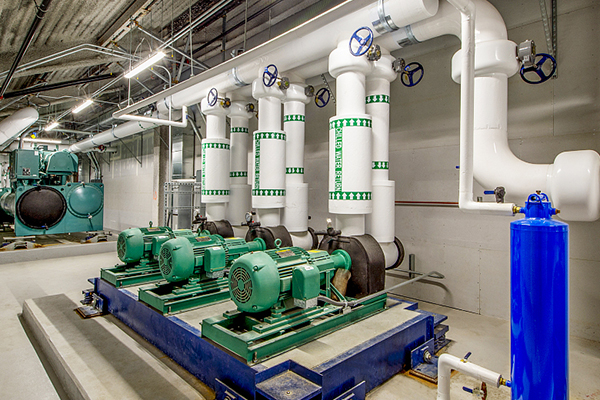
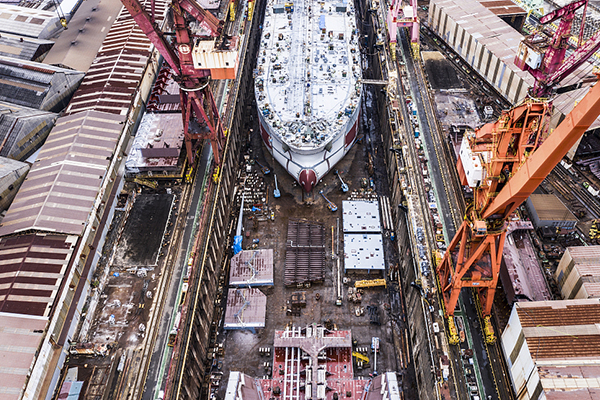
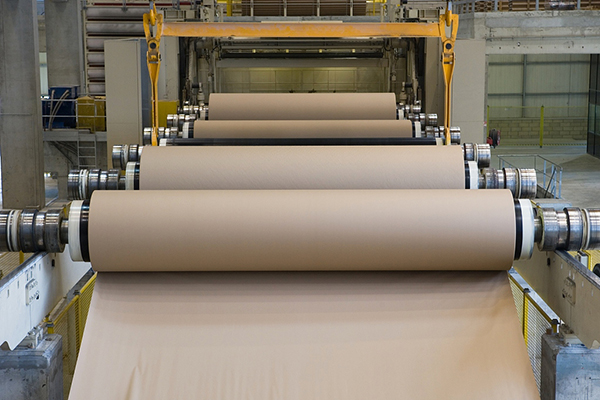
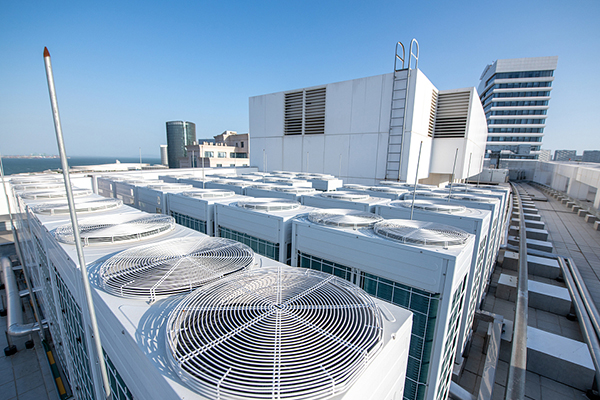

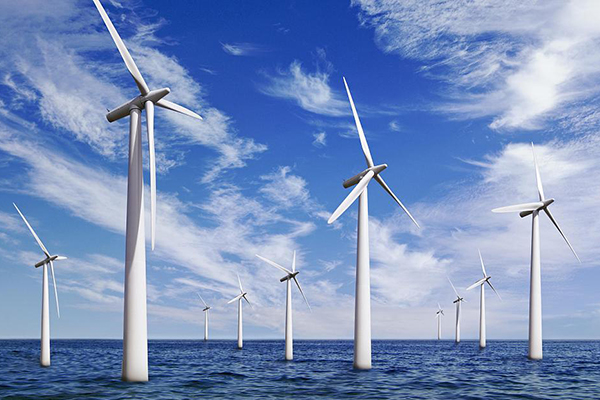
In deep Mining Machinery setups, where extreme dust and relative humidity pose constant risks, our 690V motors provide continuous power to heavy crushers, conveyor lines, and hoist systems. In high-temperature Metallurgical Plants, our specialized motors ensure flawless cooling water loop circulation and slag-handling drive operations. For marine applications, our Shipbuilding range meets strict maritime certifications (including CCS, ABS, and DNV), surviving aggressive marine conditions and powering everything from thruster assemblies to critical deck pumps. Our Wind Power solutions support generator systems that must withstand unstable dynamic grid loads, demonstrating the overall versatility of our electrical configurations.
Understanding the parameters of each system helps engineers select the optimal system for their plant. Here is a side-by-side comparison of 690V against standard 400V and higher 6kV configurations.
| Performance Characteristic | Standard Low Voltage (380V - 400V) | Optimized System Voltage (690V) | High Voltage Grid (6kV - 10kV) |
|---|---|---|---|
| Current Density & Cable Requirements | High current density; requires heavy and expensive multi-core copper cabling. | Reduced current density (approx. 43% lower); allows thinner, cost-effective cables. | Very low current density; requires specialized, highly shielded high-voltage cables. |
| Stator & Winding Thermal Stress | High thermal loss (I²R); increased hot-spot vulnerability inside slots. | Low thermal losses; uniform heat distribution, extending insulation life. | Extremely low thermal loss; requires complex multi-layered corona insulation. |
| Switchgear & Breaker Capital Costs | Low individual unit cost, but high cumulative cost due to massive cable sizes. | Optimal cost-to-performance ratio; standard LV switchgear rating limits. | Extremely high investment for medium-voltage safety enclosures and breakers. |
| Long-Distance Transmission Loss | Severe line voltage drops; unsuitable for runs exceeding 150 meters. | Minimal line drop; highly suited for long-distance runs (up to 500m). | Negligible voltage drop; ideal for multi-kilometer power distribution networks. |
| VFD & Converter Efficiency | High converter heat rejection; dynamic harmonic distortion concerns. | Optimal compatibility; reduces VFD semiconductor thermal load. | Requires multi-level inverter topologies; high capital investment. |
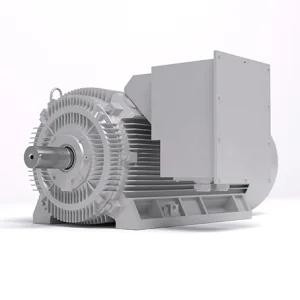
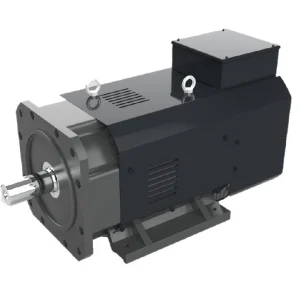
As heavy industry aims for carbon neutrality, Sunvim is actively driving the integration of 690V platforms with advanced rotor designs. Our FP Series Permanent Magnet (PM) Motors and SCZ Series Synchronous Reluctance Motors (SynRM) represent this technology shift. Traditional induction motors suffer from rotor copper losses due to slip-induced currents. In contrast, PM and SynRM designs virtually eliminate rotor losses by synchronizing rotor rotation with the stator's rotating magnetic field.
In our SCZ SynRM line, high-grade silicon steel laminations feature precise flux barriers. When energized, the rotor aligns with the stator's magnetic paths, producing synchronous torque with zero rotor current. Operating this configuration at 690V yields a highly reliable, high-torque drivetrain that operates cooler than standard induction systems. This design is highly valuable for driving high-inertia loads like large industrial centrifuges, mixers, and reciprocating compressors.
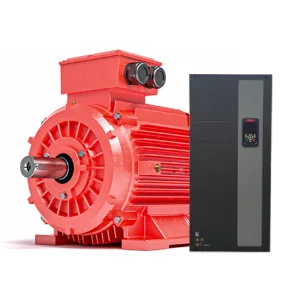
Deploying a 690V industrial motor requires a holistic system-level perspective. Sunvim's engineering team works closely with plant designers to optimize the complete electrical path. The integration of YVF Converter-Fed Motors with variable frequency drives (VFDs) is designed to manage fast-switching voltage spikes (high dV/dt values) that can stress traditional winding insulation. We employ advanced phase-insulated systems paired with vacuum pressure impregnation (VPI) technologies to ensure our 690V motors run smoothly on modern PWM converters without insulation breakdown.
Below, we answer critical questions from procurement officers and engineering directors regarding the installation and performance of 690V systems.
Review our specialized heavy industrial motors engineered for high torque density and stable frequency conversion control.
 Sunvim Motor