Discover our high-efficiency electric motors certified under rigorous international criteria, ensuring insulation class supremacy and premium operation efficiency.
A comprehensive B2B technical whitepaper on material evolution, thermal endurance criteria, and the critical importance of CE compliance in global motor manufacturing.
In modern industrial electrification, electric motors serve as the foundational mechanical engines driving global infrastructure, manufacturing pipelines, and municipal utilities. The absolute limiting factor of any electric motor's lifespan and efficiency profile is its insulation system. Motor stator windings are subjected to rigorous electrical, thermal, mechanical, and environmental stresses. Over 30% of total industrial motor failures can be traced back directly to insulation breakdown. This structural vulnerability has elevated high-performance insulation technologies from simple auxiliary components to primary engineering bottlenecks.
Under the CE (Conformité Européenne) regulatory framework, electric motors intended for integration in the European Economic Area must comply with unified safety, ecological, and operational metrics. Particularly, the insulation subsystem must survive high partial discharge stresses and elevated thermal thresholds without degrading or releasing toxic gases. Meeting CE standards demands absolute consistency in insulation raw materials (such as high-grade mica, aromatic polyimide films, and advanced epoxy varnishes) and rigorous control over the winding impregnation processes.
The relentless march toward higher power density and ultra-compact electric machinery has pushed the thermal operating envelopes of motors to unprecedented levels. Historically, Class B (130°C) and Class F (155°C) insulation systems were the standard default choices across industrial assemblies. However, the modern standard is rapidly transitioning toward Class H (180°C) and hybrid insulation configurations, particularly for applications powered by variable frequency drives (VFDs).
Furthermore, the incorporation of nanotechnology—incorporating inorganic nanoparticles (such as silica, alumina, or clay) directly into organic resin matrices—has yielded corona-resistant magnet wire enamels and insulation papers. These state-of-the-art nanocomposites dramatically decrease the susceptibility of motor winding coatings to erosion caused by high-frequency surge voltages generated by fast-switching IGBT (Insulated Gate Bipolar Transistor) frequency inverters. This provides a structural shield, eliminating the localized hotspots and micro-cracking common in older insulation designs.
Strategic procurement directors and engineering executives from Fortune 500 enterprises face complex challenges when sourcing heavy industrial machinery. The modern supply chain environment prioritizes operational resilience, compliance, and technological sustainability. Motor procurement is no longer just about calculating the lowest price per unit; rather, it focuses on the Total Cost of Ownership (TCO), driven by long-term durability and minimum operational downtime.
When qualifying a manufacturing supplier, strict audit protocols are established. Buyers demand comprehensive verification of material certificates (specifically UL and CE registrations), detailed records of Vacuum Pressure Impregnation (VPI) cycles, and structural testing results. Key parameters evaluated include:
Combining high-precision technological integration, raw material security, and world-class testing infrastructure to guarantee zero-defect production.
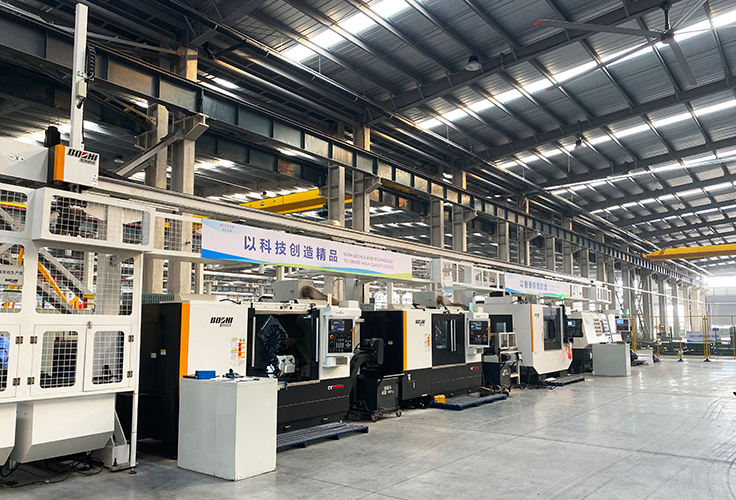
Utilizing high-end automated robotic coil winding machinery and specialized Vacuum Pressure Impregnation (VPI) units. Our precision-controlled systems eliminate all micro-cavities within the motor stator slots, preventing localized dielectric hotspots and premature aging.
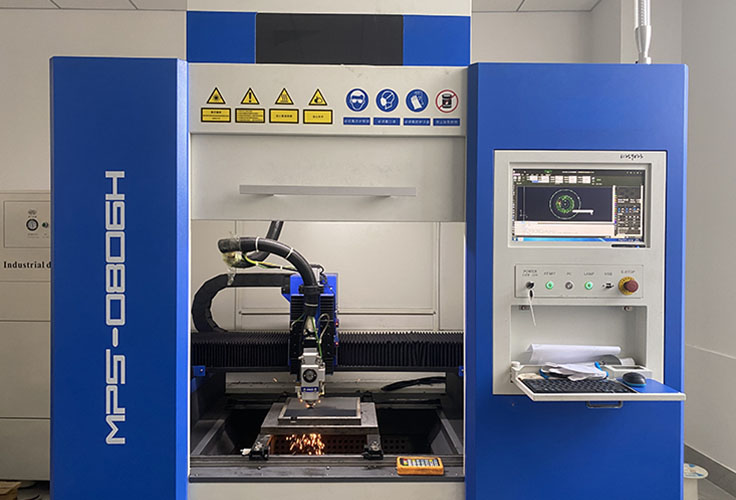
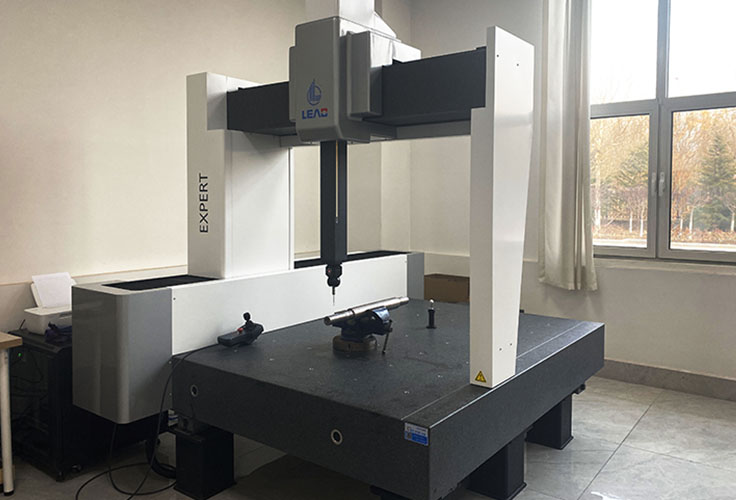
Integrated with our digital Factory 4.0 management framework, every step from initial wire preparation through final assembly is continuously monitored and recorded. Laser scanning, coordinate measurement, and advanced testing ensure perfect mechanical and electrical tolerances.
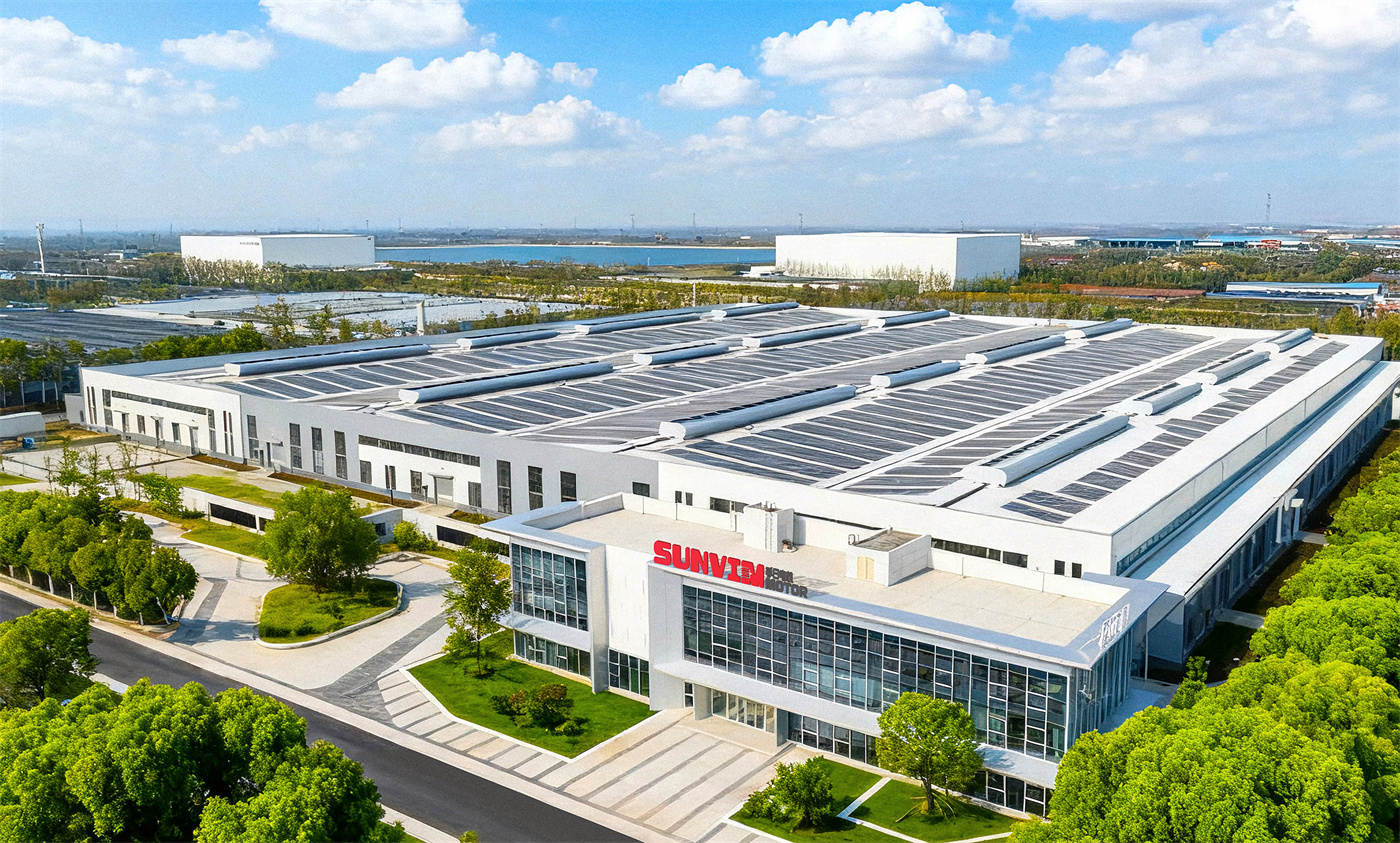
Our centralized manufacturing ecosystem in the Sunvim Industrial Park features an integrated production pipeline for all key components—including custom laminations, shafts, castings, and insulating materials. This protects clients from global logistics disruptions.
Discover the high-precision equipment running inside Shandong Sunvim Motor's modernized, capital-intensive manufacturing facility.
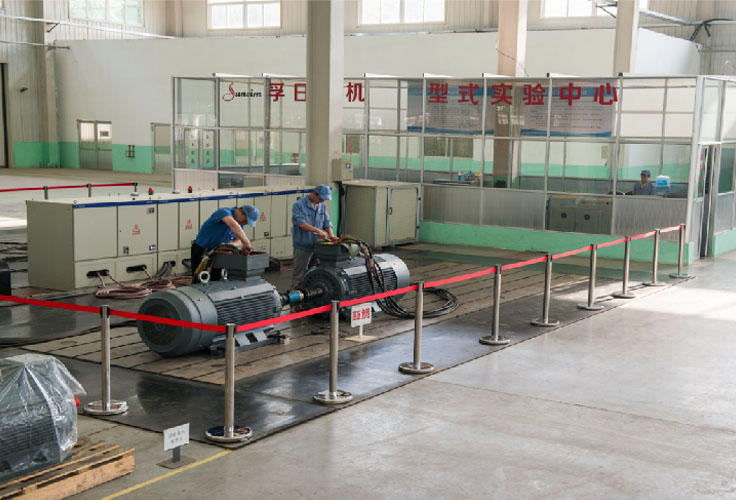
Engineered to operate reliably under extreme conditions, our motor insulation systems are optimized for specialized B2B scenarios.
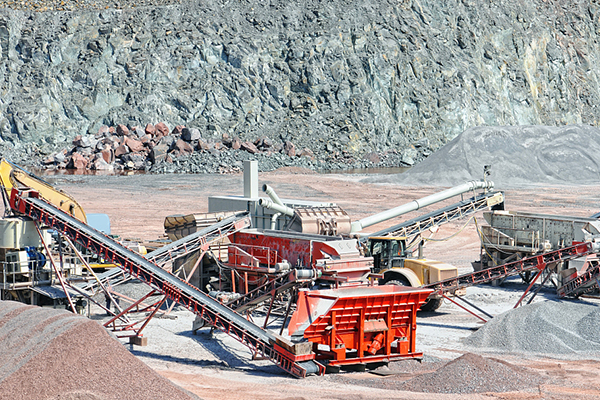
High-vibration resistance and robust particulate seals protect winding components from aggressive coal and ore dust particles.
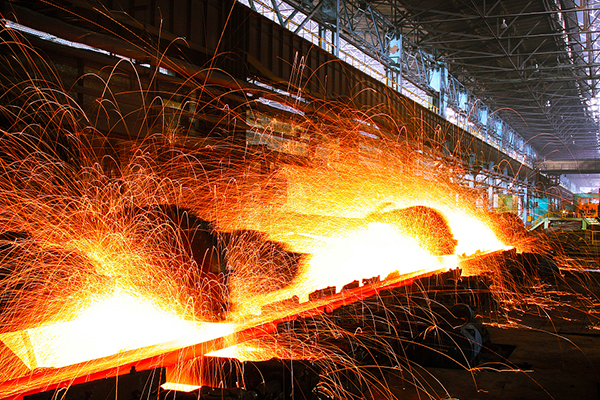
Custom thermal insulation barrier structures withstand localized radiant heat and high thermal cycling shocks.
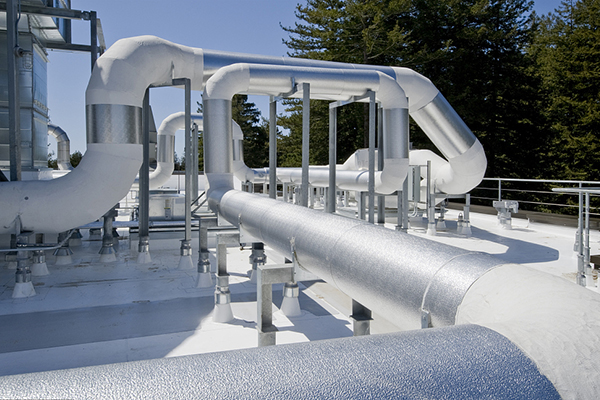
Continuous run optimizations and structural balancing minimize overall harmonic wear and reduce energy consumption.
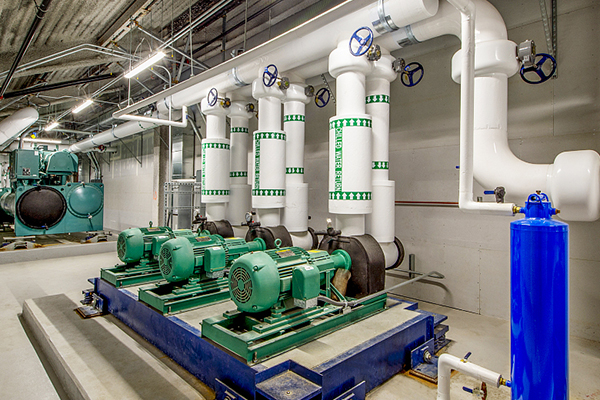
Outstanding moisture protection prevents humidity-induced electrical failures in open agricultural fields.
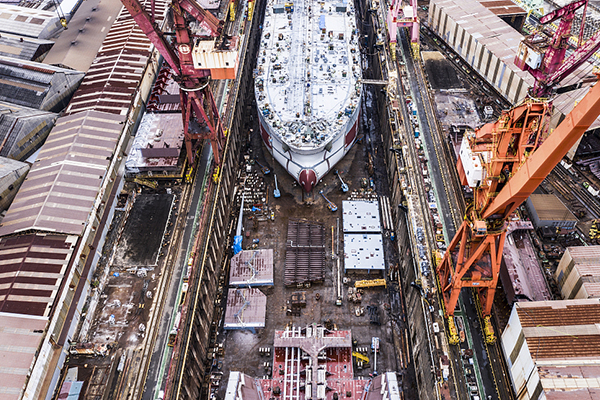
Specially certified marine coatings designed to withstand high salinity, heavy damp air, and corrosive environments.
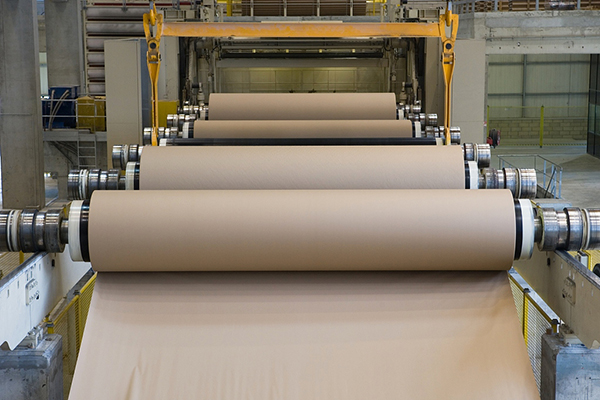
Reliable sealing protects stator windings from chemical fumes and extreme humidity in processing areas.
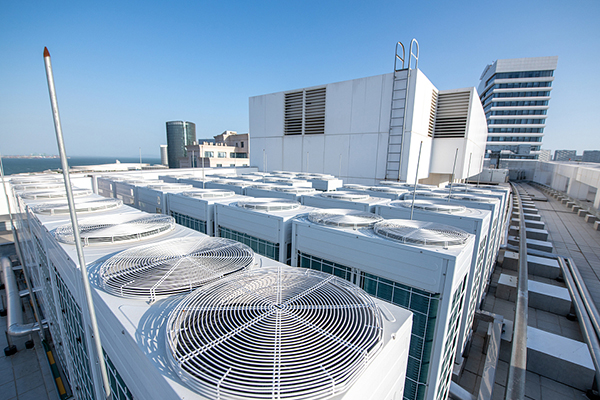
High-torque start design, reinforced insulation prevents thermal peaks during dynamic system startups.
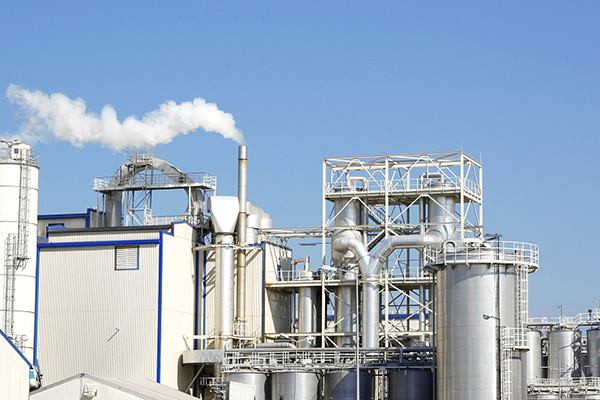
Corrosion-resistant paint systems and hermetically sealed stator structures prevent reactive gas ingress.
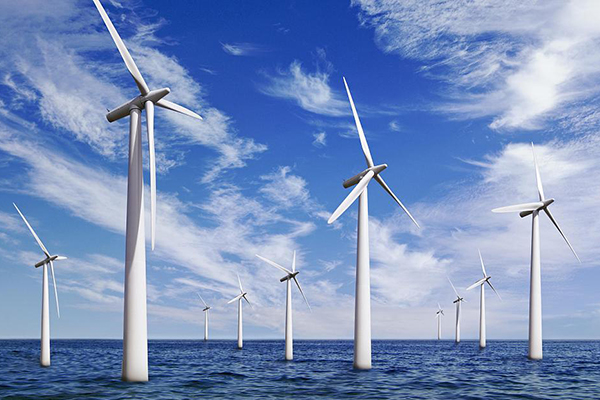
Custom high-frequency insulation matrices cope with irregular fluctuations and complex power grid feedback loops.
Empowering global industries since 1963 with precision research, high-quality manufacturing, and advanced motor technology.
With over 60 years of deep-rooted expertise in electric motor research and manufacturing, Shandong Sunvim Motor Co., Ltd. represents the pinnacle of industrial innovation. Following a strategic corporate transformation in 2022, we have rapidly established a high-standard, modernized production ecosystem tailored for the future of global industry.
Backed by the powerful resources of Sunvim Group—a multi-billion RMB conglomerate—Shandong Sunvim Motor Co., Ltd. benefits from strong financial stability and strategic growth. Our expansive facilities house over 400 sets of advanced manufacturing, precision testing, and automated supporting equipment, driving an impressive annual production capacity of up to 3 million kilowatts.
Today, Sunvim Motor has evolved into a premier enterprise seamlessly integrating R&D, world-class manufacturing, global distribution, and dedicated customer service. The SUNVIM brand has earned widespread international recognition. Our high-performance electric motors are trusted by global OEMs and industrial buyers across premier markets, including Germany, Italy, Greece, Spain, Belgium, Denmark, South Africa, Slovakia, Australia, Singapore, Indonesia, Malaysia, and Taiwan.
Gaomi Electric Appliance Factory was established. Later, in 1988, renamed as Weifang Electric Machinery Factory, beginning our legacy of motor research and development.
Mr. Sun, then the factory director, left Gaomi Electric Appliance Factory and set up Gaomi Towel Factory, the predecessor of the multi-billion RMB Sunvim Group.
Weifang Electric Machinery Factory was acquired by Sunvim. Shandong Sunvim Electrical Machinery Co. Ltd. was established, initiating a phase of rapid modernization and technical growth.
A new, highly advanced manufacturing factory was completed in the Sunvim Industrial Park. The business was renamed Shandong Sunvim Motor Co., Ltd.
Our motors are certified by leading global regulatory bodies, ensuring that our insulation systems and electrical architectures comply with the strictest safety standards.

ISO9001: 2015
CE Compliance

UKCA Certification
UL Certification
SABS Certification
CCS Certification
ABS Certification
DNV Certification
Addressing the critical technical queries from electrical engineers, procurement specialists, and global supply chain managers.
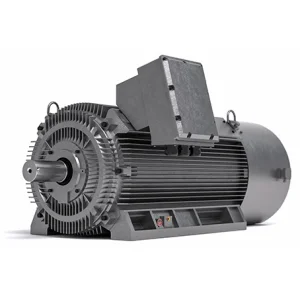
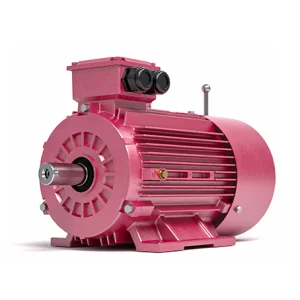
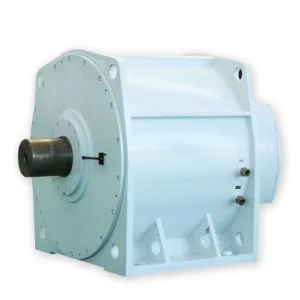
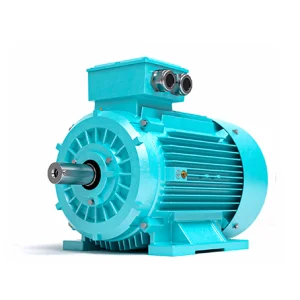
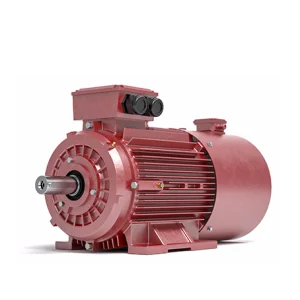
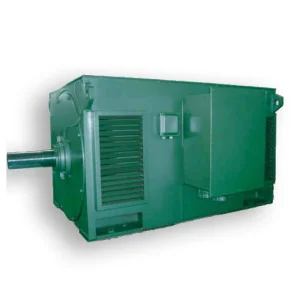
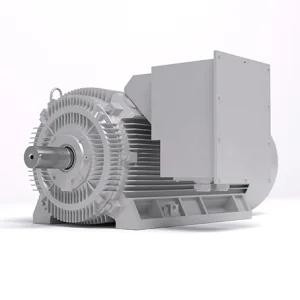
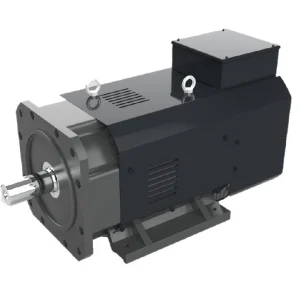
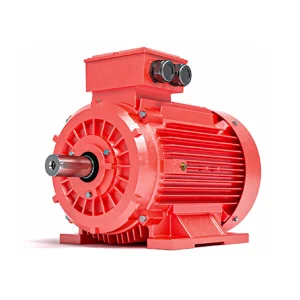
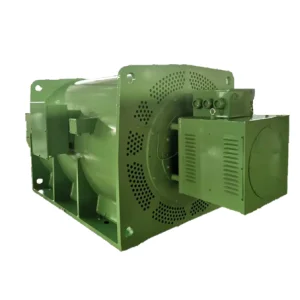
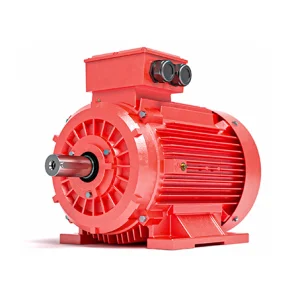
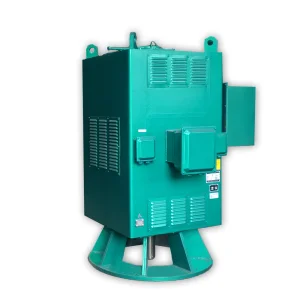
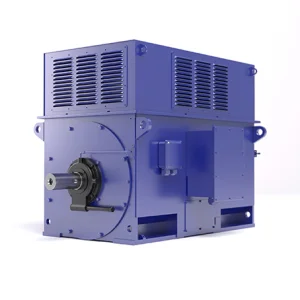
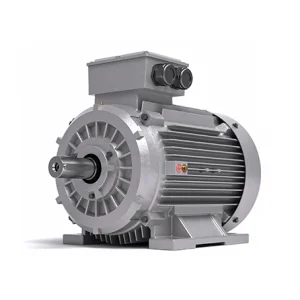
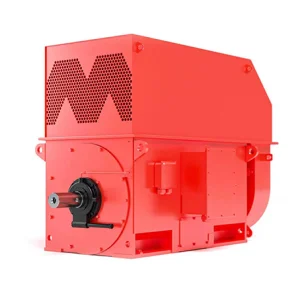
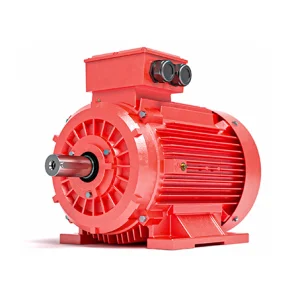
Explore our premium range of industrial three-phase induction and PM motors, designed to maximize operating efficiency and mechanical lifespan.
 Sunvim Motor