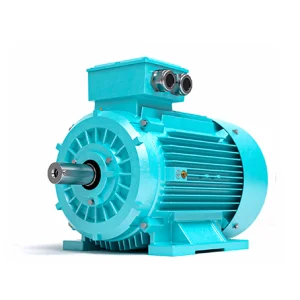
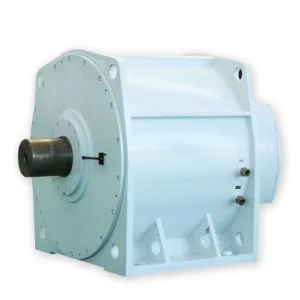
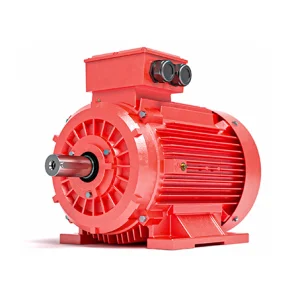
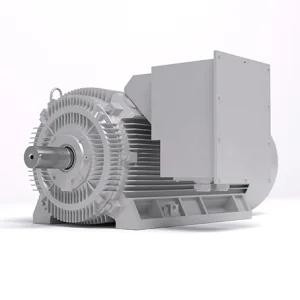
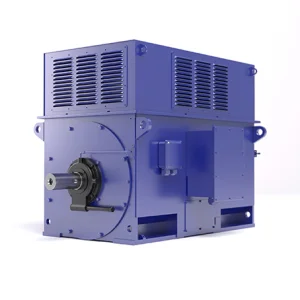
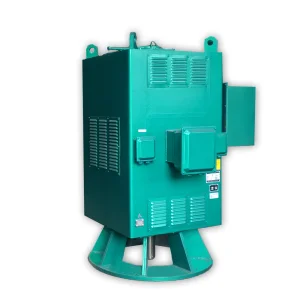
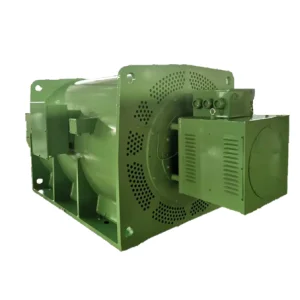
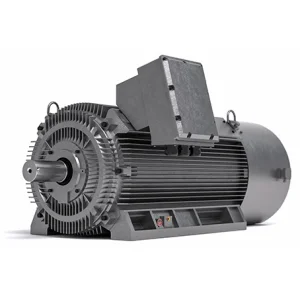
Explore our highly-engineered range of electric motors optimized with state-of-the-art cooling methods designed to guarantee reliability, prolong operating lifespans, and dramatically reduce the Total Cost of Ownership (TCO).
An Industry Whitepaper on Enhancing Thermal Efficiency and Minimizing Operating Costs
In the realm of heavy-duty industrial electric motors, thermal management is not merely an afterthought—it dictates the machine’s reliability, power density, and operational lifespan. According to the International Electrotechnical Commission standard IEC 60034-6, cooling methods are classified using the IC (Index of Cooling) designation. This system specifies the arrangement of the cooling circuit, the nature of the coolant, and the method of movement of the coolant.
For global procurement managers, understanding these classifications is paramount. Selecting a cheap cooling method that is engineered properly does not mean sacrificing quality; rather, it refers to selecting the most cost-effective, optimized thermal configuration—such as IC411 (Totally Enclosed Fan Cooled - TEFC), IC611 (Air-to-Air heat exchanger cooled), or IC81W (Water cooled)—designed specifically for your environment. Properly matched cooling prevents insulation breakdown, which is responsible for over 40% of all unplanned motor failures.
Industrial operators are continually faced with the challenge of balancing capital expenditure (CAPEX) with long-term operational expenditure (OPEX). Thermal dissipation plays a central role here. High-efficiency motors (IE3 and IE4 classes) generate less waste heat, but they still require highly reliable, low-maintenance cooling.
Sunvim Motor designs custom cooling configurations that optimize heat transfer coefficients without artificially inflating the component costs. By utilizing state-of-the-art aerodynamic fan designs, optimized external rib geometries (such as in our Y2 rib-cooled motors), and lightweight, high-thermal-conductivity materials, we provide "affordable luxury" in heavy manufacturing. Strategic localization and advanced Chinese supply chain integration allow us to supply world-class cooling architectures at a fraction of Western competitor pricing.
Shandong Sunvim Motor Co., Ltd. — A Pillar of Precision and Engineering Integrity
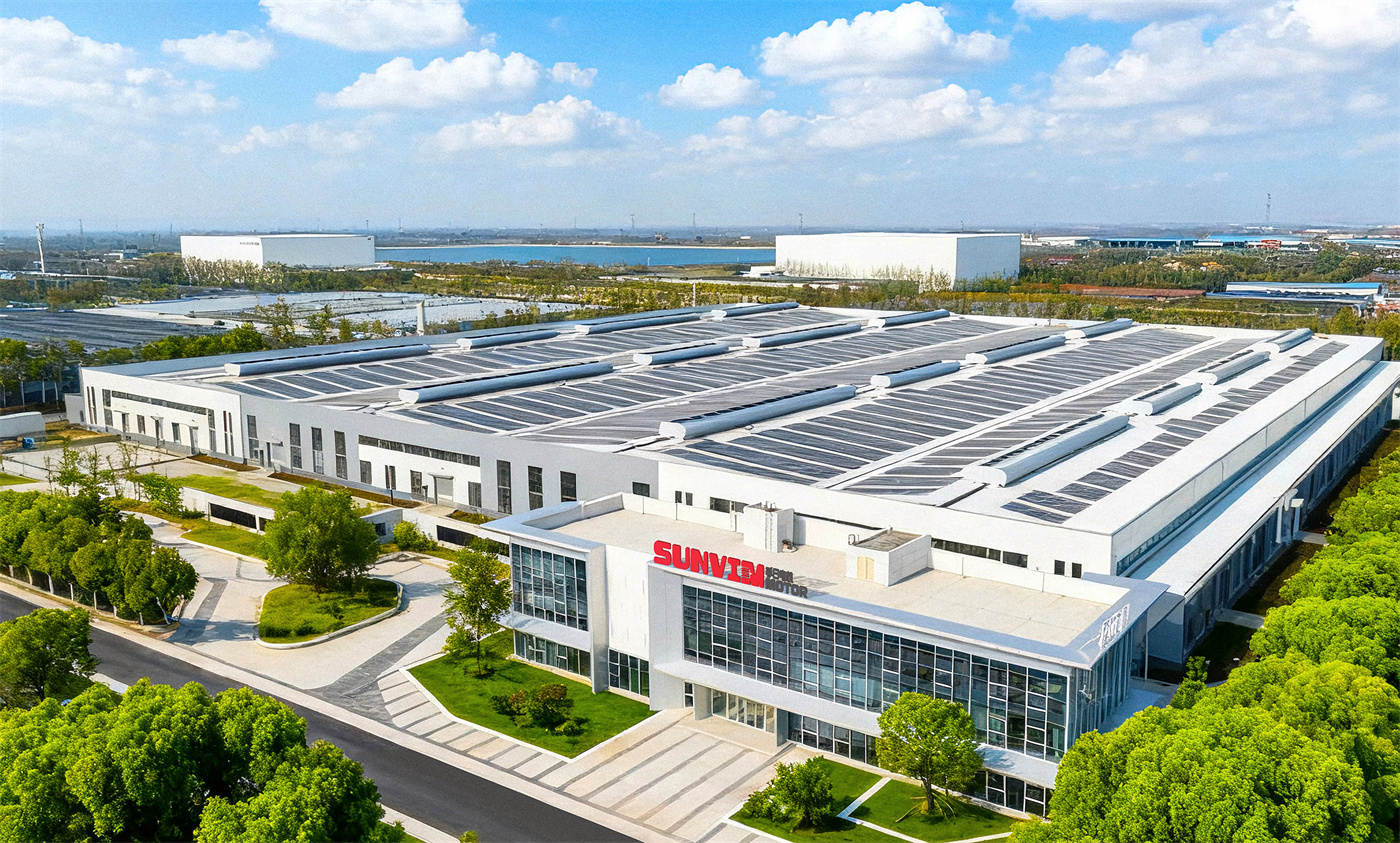
With over 60 years of deep-rooted expertise in electric motor research and manufacturing, Shandong Sunvim Motor Co., Ltd. represents the absolute pinnacle of industrial innovation. Following a strategic corporate transformation in 2022, we have rapidly established a high-standard, modernized production ecosystem tailored for the future of global industry.
Backed by the powerful resources of Sunvim Group—a multi-billion RMB conglomerate—Shandong Sunvim Motor Co., Ltd. benefits from unparalleled financial stability, advanced R&D depth, and strategic logistics advantages. Our expansive facilities house over 400 sets of advanced manufacturing, precision testing, and automated supporting equipment, driving an impressive annual production capacity of up to 3 million kilowatts.
Gaomi Electric Appliance Factory was established, laying down decades of industrial engineering fundamentals.
Mr. Sun, the factory director, set up the Gaomi Towel Factory, which served as the structural predecessor to the global giant Sunvim Group.
Weifang Electric Machinery Factory was formally acquired by Sunvim; Shandong Sunvim Electrical Machinery Co. Ltd. was established.
A new smart factory completed in the Sunvim Industrial Park, operating officially as Shandong Sunvim Motor Co. Ltd.
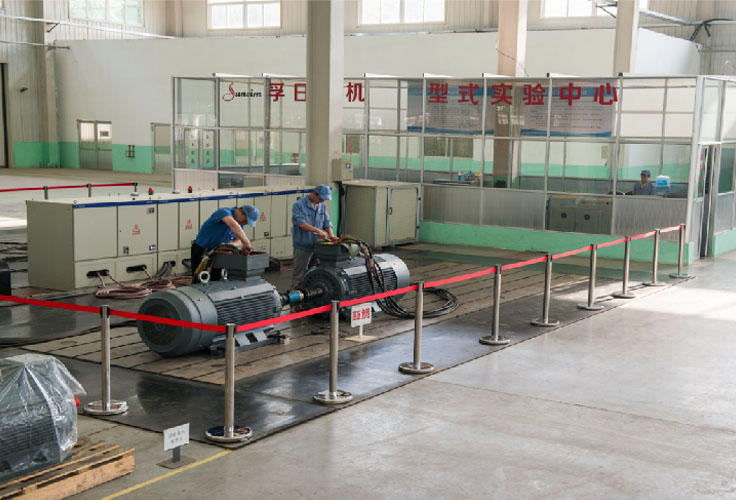
We leverage German and Swiss-grade precision machinery to execute automated shaft machining, micro-precision laser cutting, and stringent verification tests.
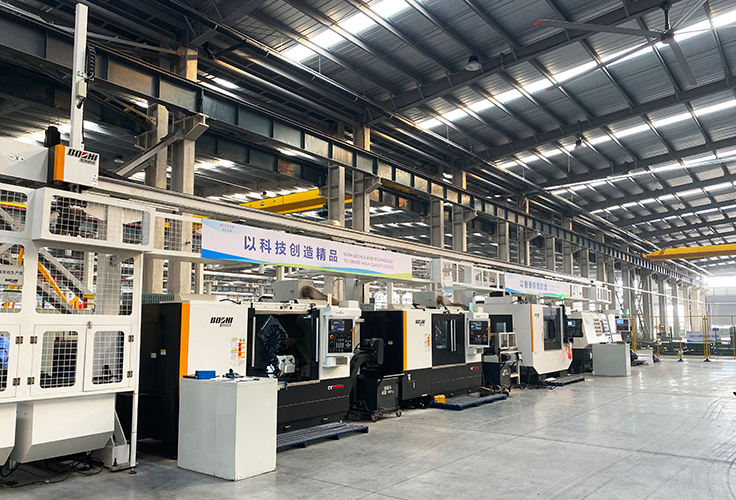
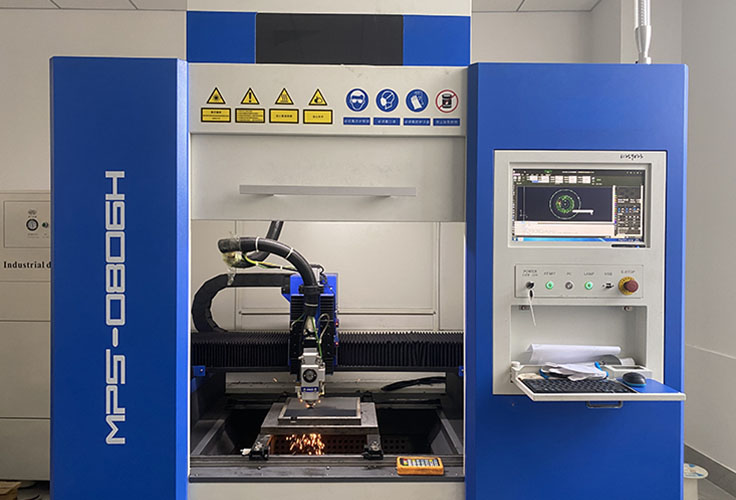
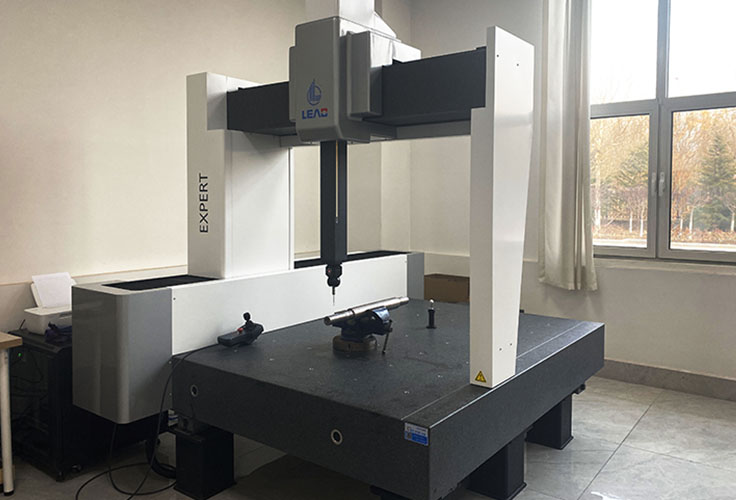
Our motors are certified by the world's most rigorous testing bodies to ensure seamless deployment across EU, North American, African, and maritime applications.



Why Sunvim's Integrated Chinese Ecosystem Delivers Peak Value for Global Procurement Groups
Unlike assembly factories, Sunvim's production relies on a massive localized supply chain matrix. Leveraging Sunvim Group's substantial resources, we control everything from high-grade silicon steel stamping and dynamic rotor balancing to automated precision shaft winding and environmental paint finishes.
This high degree of vertical integration allows us to achieve massive economies of scale. We pass these cost reductions directly to our global OEM partners, fulfilling the true definition of a high-value, cheap cooling method supplier where "cheap" represents low initial purchase cost paired with outstanding engineering and premium raw materials.
We supply critical electric motors to regions with vastly different electrical standards, environmental legislations, and safety directives. Whether you require compliance with North America’s UL, the EU's CE and UKCA, South Africa’s SABS, or rigorous marine registrations like DNV, CCS, and ABS, Sunvim’s engineering department designs directly to compliance.
Additionally, we maintain a robust local engineering support network in key destination countries across Germany, Italy, Spain, Australia, South Africa, and Singapore, mitigating the risk of long distance supply chains.
No two industrial applications are exactly alike. Different operating conditions require customized cooling configurations. A motor operating on a high-altitude ventilation shaft in South Africa demands different cooling architectures than a ship propulsion auxiliary motor in the North Sea.
Sunvim specializes in providing custom cooling configurations, including forced-ventilation fan units (IC416) for low-speed inverter-driven (VFD) applications, air-to-air cooling modules for medium voltage ranges (IC611), and liquid-cooled motors.
Our electric motors are strategically built to survive the harshest environments on Earth, providing unmatched uptime across vital heavy industries.
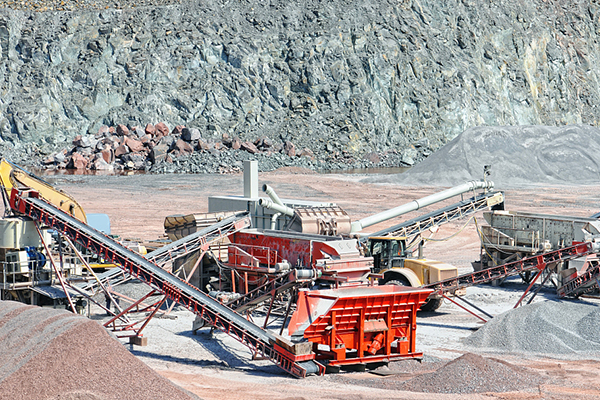
High-dust, extreme-vibration environments demand heavily-armored TEFC motors (IC411) with IP55/IP66 sealing to lock out abrasive particulates and prevent stator winding short circuits.
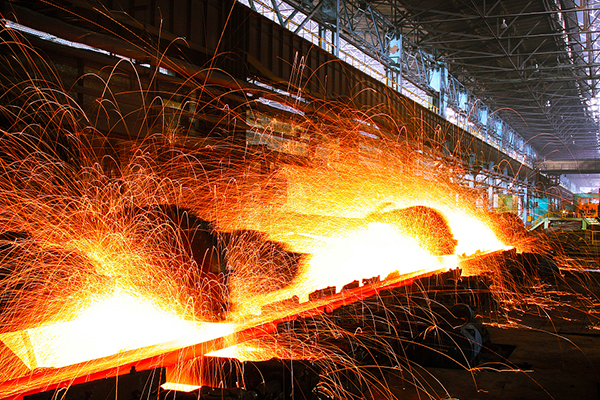
Extreme ambient heat requires special high-temperature bearings, Class H insulation, and auxiliary blower systems (IC416) to ensure consistent dissipation under radiant thermal loads.
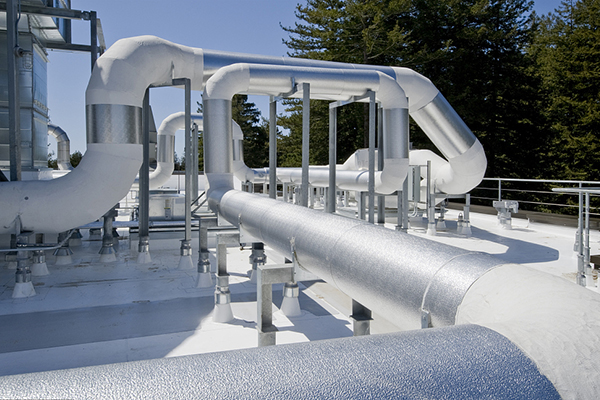
Continuous-duty industrial exhaust networks leverage optimized airflow geometries. Sunvim fan motors deliver high aerodynamics with minimal acoustic signatures.
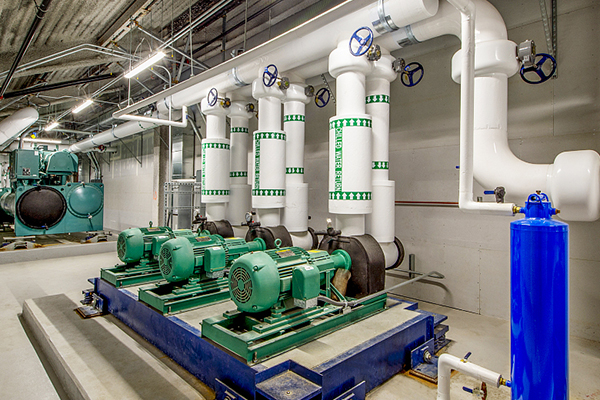
Subject to weather variations, our outdoor pump motors feature anti-corrosion paint formulas and internal heaters to eliminate condensation buildup during downtime.
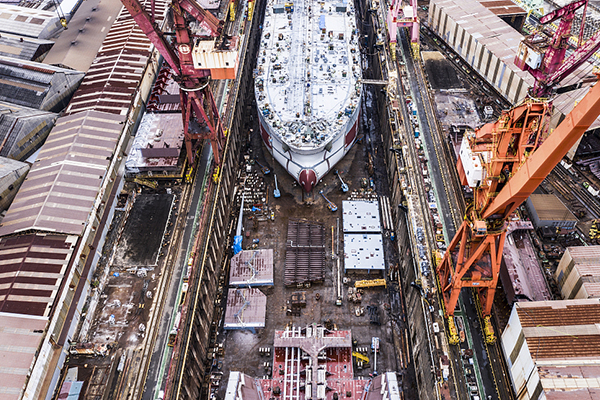
Salt spray corrosion resistant marine auxiliary motors carrying approvals from premier classification registries like DNV, ABS, and CCS for safe operations at sea.
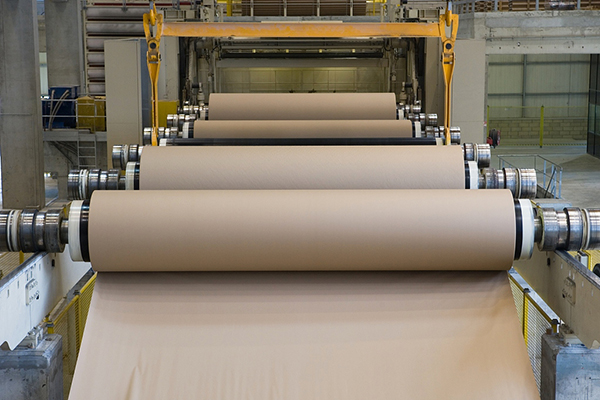
Highly humid and acidic air states mandate specialized stainless steel or epoxy-coated cast-iron frames, dynamic lip seals, and chemical-duty winding coatings.
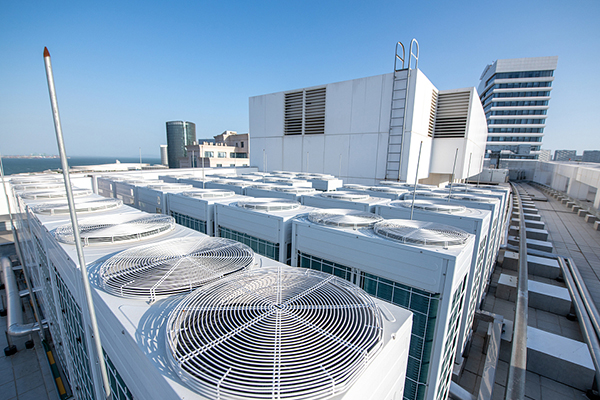
High mechanical start loads and continuous operating cycles require highly efficient PM and SynRM motor structures with superior heat-shedding structures.

Explosive vapor profiles require specialized explosion-proof certifications (Ex d, Ex e) matched with safe, low-friction cooling fan architectures to mitigate ignition risk.

Challenging nacelle spaces with fluctuating wind velocities require compact thermal profiles and specialized permanent magnet synchronous generators.
How Modern Digitalization is Shaping the Electric Motor Manufacturing Sector
Regulatory bodies worldwide are mandating higher energy efficiencies for low-voltage, continuous-duty electric motors. High-performance lines, including Permanent Magnet Synchronous Motors (PMSM) and Synchronous Reluctance Motors (SynRM), represent the future of industrial motion.
These machines generate up to 35% less heat internally than standard induction motors. However, to maintain high magnetic flux densities and prevent permanent magnet demagnetization, keeping interior temperatures low is absolutely vital. This has driven the industry toward hyper-engineered cooling structures. Sunvim's advanced SCZ Series Synchronous Reluctance Motors utilize precision-modeled internal cooling channels and high-velocity outer casing ribs to lock in high efficiencies while operating safely under critical temperature curves.
The integration of predictive maintenance in motor fleets is accelerating. Instead of reactive repairs after a thermal event, global operators are adding smart IoT thermal sensors directly inside the motor windings. These sensors measure real-time temperature fluctuations, feeding data back to cloud-based prediction engines.
By assessing ambient variables and stator thermal resistance, the systems can predict thermal overload events before they happen. Sunvim has pioneered integrated sensor ports across our medium and high-voltage modular motor lines (YKK/YXKX). This enables plant engineers to instantly monitor winding temperatures, allowing them to adjust active cooling speeds or schedule preventative maintenance without interrupting production workflows.
Addressing Common Engineering and Procurement Questions Regarding Industrial Cooling Configurations
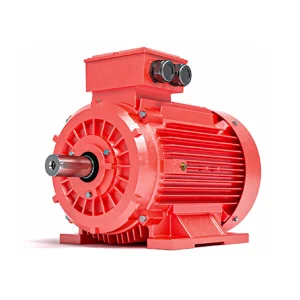
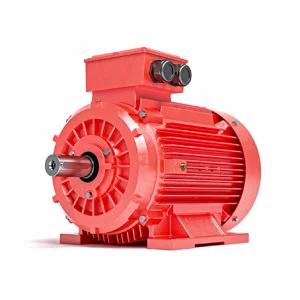
IC411 refers to a Totally Enclosed Fan Cooled (TEFC) motor structure. The motor features an external cooling fan mounted directly on the non-drive end of the shaft. As the shaft spins, the fan blows air over the ribbed cast-iron frame, carrying away heat. It is a highly reliable and cheap cooling method that requires minimal maintenance.
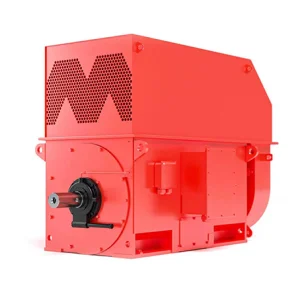
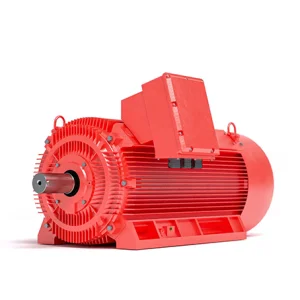
In contrast, IC611 utilizes a self-ventilated air-to-air heat exchanger system. The motor is completely sealed, and an upper-mounted heat exchanger unit recirculates internal air through tubes while drawing external air through separate cross-flow channels. IC611 is typically applied in medium-voltage modular motors (like Sunvim’s YKK series) operating in dirty, chemically corrosive, or heavy outdoor conditions where exposing the motor frame directly to external debris could lead to heat retention or casing degradation.
At Sunvim, "cheap" refers to the highly optimized lifecycle value we offer. Our manufacturing efficiency is built upon 60+ years of industrial scaling. By utilizing fully automated shaft machining lines, state-of-the-art automated copper-winding systems, and localized raw steel and cast iron components, we eliminate massive overhead expenses that Western counterparts face.
We also run thermal aerodynamic simulations on motor frames to maximize heat transfer per square centimeter, allowing us to use lighter weight castings while maintaining equivalent structural cooling. Consequently, our clients obtain world-class thermal dissipation at highly competitive initial capital prices.
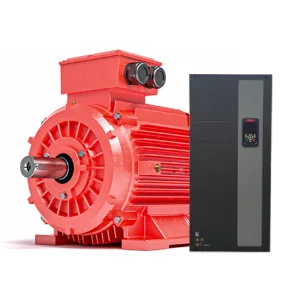
When an electric motor is operated via a VFD at low speeds, the cooling capacity of a standard shaft-mounted fan (IC411) drops dramatically because the fan's speed is linked directly to the motor’s output shaft speed. At low RPM, the fan cannot generate sufficient air pressure, leading to rapid heat buildup inside the stator.
For VFD applications, we recommend integrating an auxiliary forced-ventilation fan unit (IC416). A separate small motor drives this constant-speed blower, ensuring identical cooling performance even when the main motor is running at near-zero speed. This guarantees a safe thermal curve and protects the winding insulation during low-speed, high-torque configurations.
Access our complete array of low, medium, and high voltage electric motors custom-engineered with diverse cooling methods to fit your system specifications.
 Sunvim Motor