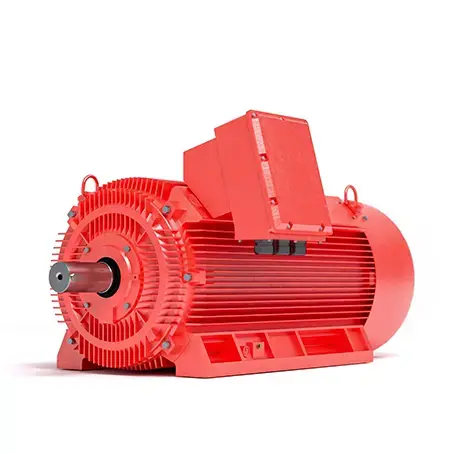
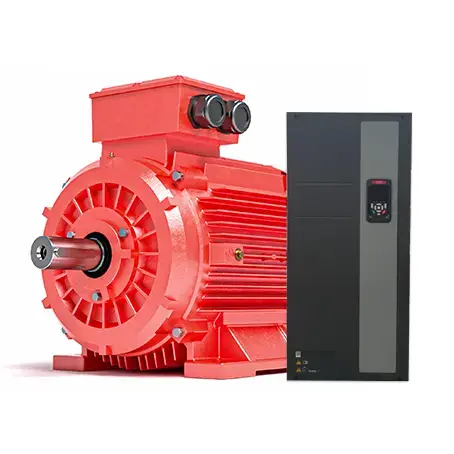
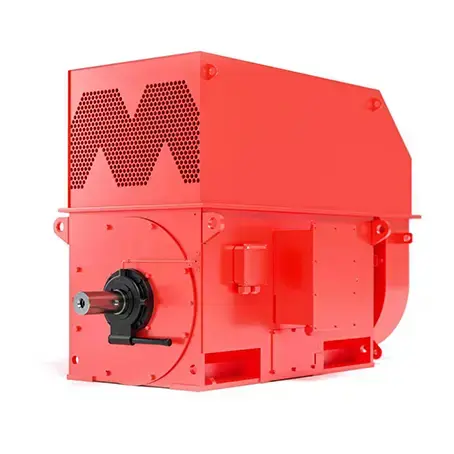
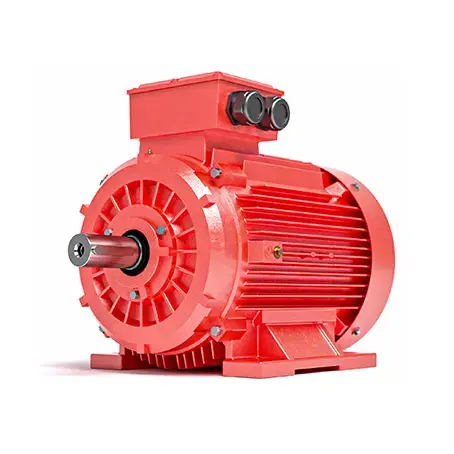
Explore our elite class of industrial motors engineered for continuous heavy-duty service across global supply chains.
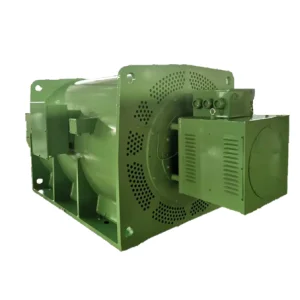
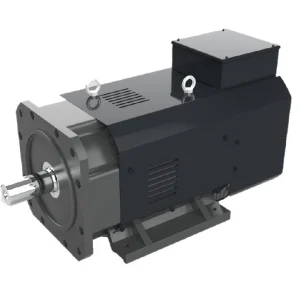
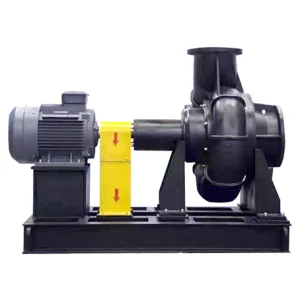
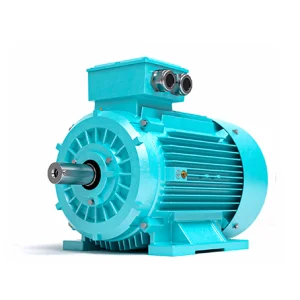
A deep technical examination of structural load handling, torque translation, and mechanical reliability.
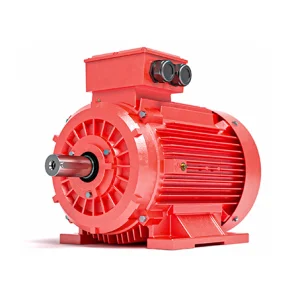
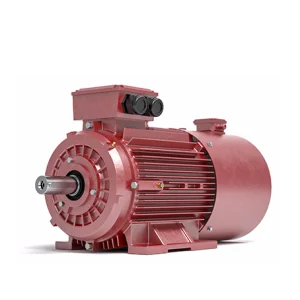
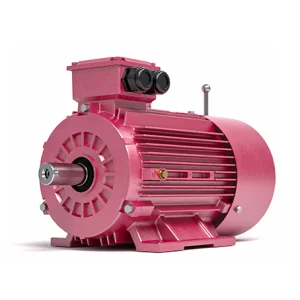
In rotating electrical machines, the mechanical and physical interfaces are critical for determining the lifespan, efficiency, and reliability of the overall drivetrain. At the absolute core of this interface is the Drive End (DE). The Drive End is the primary output shaft location where rotational mechanical energy, generated by electromagnetic fields in the stator-rotor assembly, translates directly to driven machinery—such as industrial pumps, compressors, massive ventilation fans, and heavy-duty planetary gearboxes.
Unlike the Non-Drive End (NDE), which generally houses cooling fans, tachometers, or feedback encoders, the Drive End experiences severe mechanical dynamics. These dynamics include intense radial forces, axial thrust loads, and high torsional stress levels, particularly during direct-on-line (DOL) starting phases or dramatic load fluctuations. To guarantee system longevity, the engineering of the Drive End shaft dimensioning, bearing arrangements, thermal expansion tolerances, and material choices must be execute with absolute precision.
Standard motors often fail under severe fatigue due to insufficient radial and axial capacity. High-quality Drive Ends must be configured with specialized roller bearings (such as cylindrical roller bearings for heavy belt-driven applications) or deep-groove ball bearings (for direct coupling configurations) that accommodate thermal expansion without structural lock. Shaft seals, such as advanced labyrinth seals or IP55/IP66 mechanical shaft rings, prevent grease loss and protect the inner stator environment against severe chemical mist, abrasive coal dust, or seawater ingress.
Additionally, high-performance Drive Ends require state-of-the-art balancing processes. Rotational imbalance creates dynamic centrifugal forces that damage bearings and cause stator-rotor contact, leading to catastrophic failure. Sunvim’s dynamic balance standard exceeds ISO 1940 G1.0 thresholds. This ensures vibration-free operation at high frequencies, such as when controlled by variable frequency drives (VFDs) up to 100 Hz.
Shandong Sunvim Motor Co., Ltd. - Driving Modernized Production with a Massive RMB 220 Million Investment.
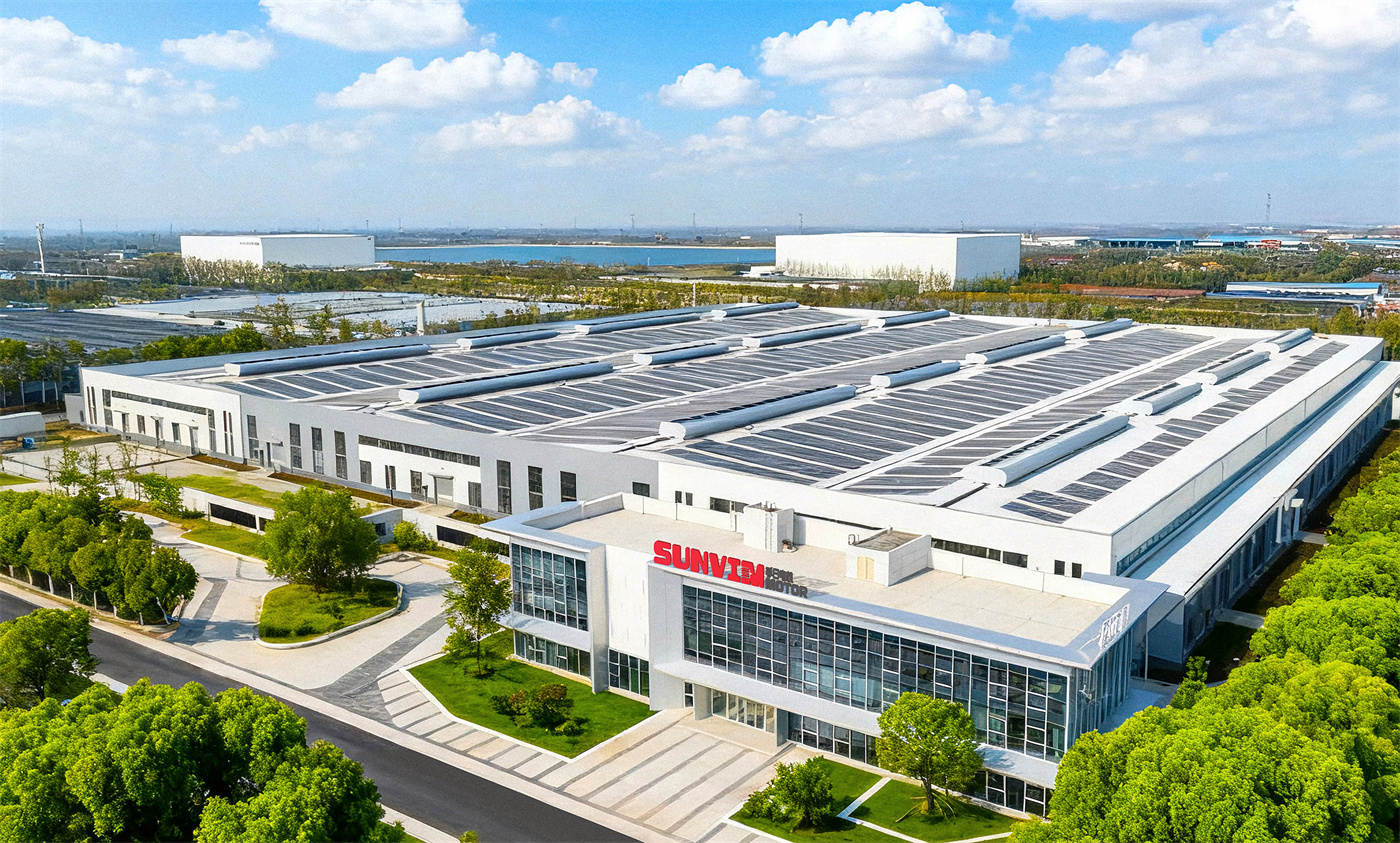
With over 60 years of deep-rooted expertise in electric motor research, high-voltage coil wrapping, and precise mechanical manufacturing, Shandong Sunvim Motor Co., Ltd. represents the pinnacle of industrial innovation. Backed by the multi-billion RMB conglomerate Sunvim Group, our facility spans 68,000 square meters, utilizing over 400 sets of advanced manufacturing and precision testing equipment to achieve an annual capacity of 3 million kilowatts.
Underpinning our manufacturing with high-precision CNC systems, automatic lines, and coordinate inspection.
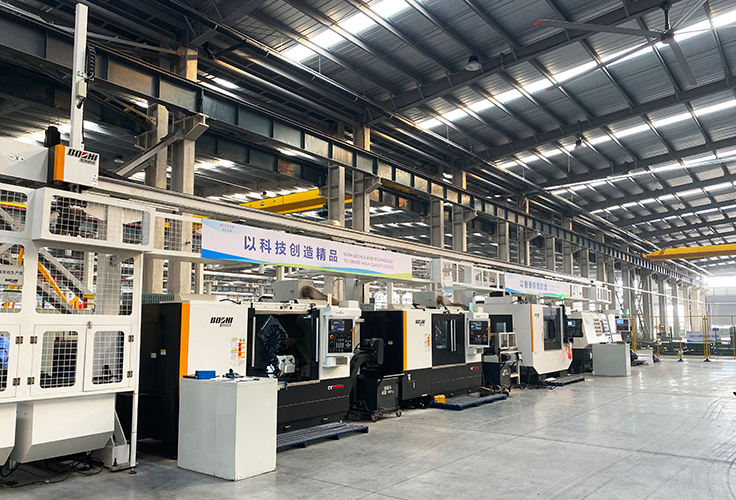
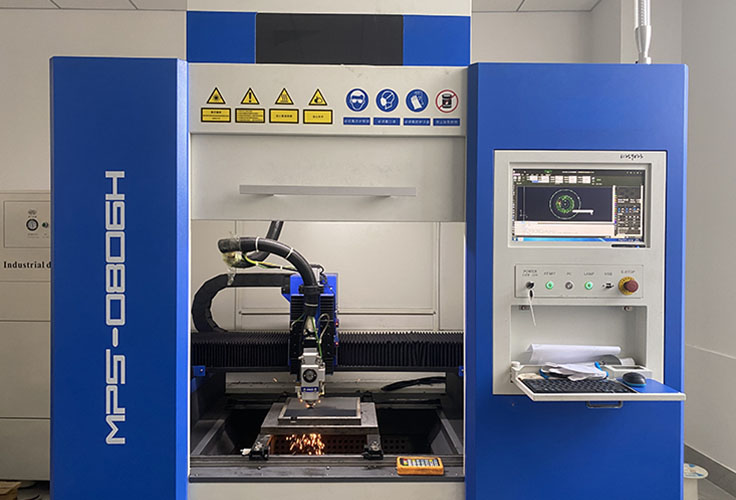
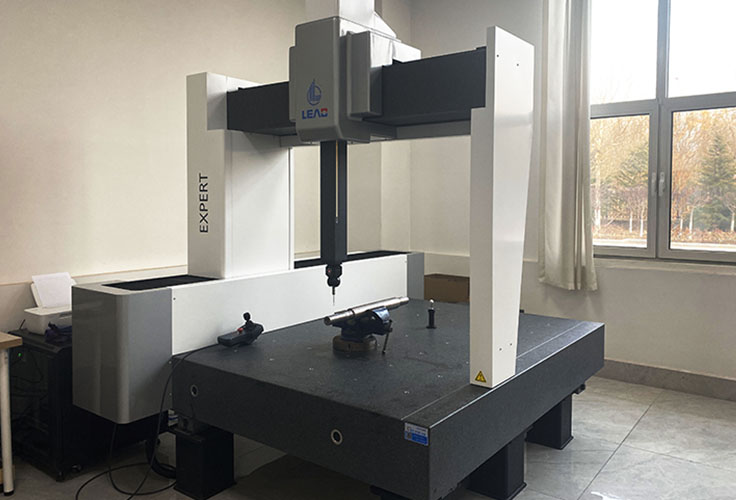
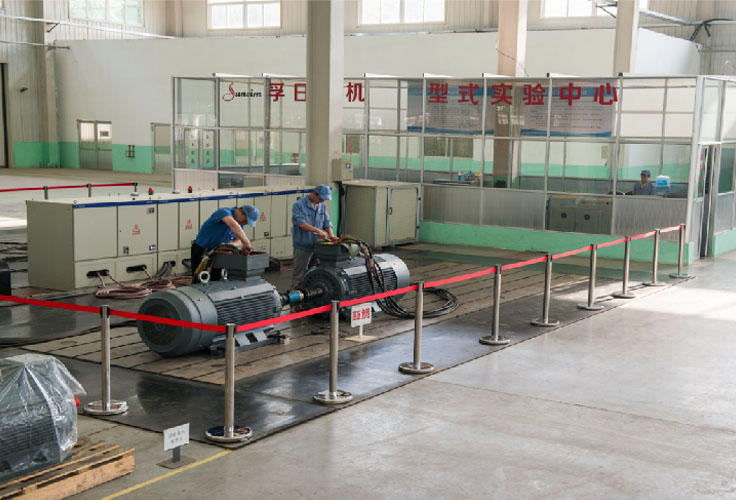
Each Drive End we supply is processed through our Automatic Machining Line Of Shaft, eliminating manual error and achieving tolerances down to the sub-micron scale. The structural alignment of the stator frame and the rotor bore is meticulously verified using our Three Dimensional Coordinate Measuring Instrument, preventing eccentric rotation that leads to bearing degradation. Additionally, our Type Test Center runs loaded tests on motor dynamics, heat-rise behaviors, and starting torques, giving buyers 100% reliable performance data.
Understanding the raw material integration, high supply-chain speed, and advanced cost efficiencies that define modern Chinese industrial bases.
Selecting a China Drive End Supplier is no longer just a quest for cost reduction—it is a strategic decision to align with the world's most robust industrial powertrain ecosystem. China's electric motor manufacturing region brings together structural steel foundries, silicon steel laminators, automated copper winding suppliers, and specialized bearing manufacturers into integrated industrial clusters.
For buyers requiring precise Drive End Quotes, this high integration means drastically reduced lead times for custom designs, robust resilience against raw material shortages, and unmatched scalability.
Direct integration with leading cold-rolled silicon steel sheet suppliers ensures that our motor laminations have extremely low core losses, paving the way for ultra-high IE4 and IE5 efficiencies.
From custom shaft extensions and specialized splines to unique flange arrangements (IEC B3, B5, B14, or NEMA standards), our automated manufacturing lines reconfigure rapidly to meet your exact prints.
Equipped with UL, CE, SABS, DNV, ABS, and UKCA certifications, our electric motors seamlessly cross international borders, complying with strict local grid dynamics and environmental laws.
How regulatory compliance, VFD compatibility, and synchronous reluctance technology are shifting global electric motor demands.
The global industrial sector is undergoing a massive transformation driven by carbon reduction targets and high energy costs. Electric motors drive over 60% of all industrial electricity consumption. Consequently, transitioning from outdated IE1 or IE2 motors to high-output IE3, IE4, and IE5 systems has become a top priority for forward-thinking engineering procurement managers.
This transition has directly impacted Drive End designs. Higher efficiency motors run cooler, extending bearing and grease life. However, they also produce higher starting torque profiles. To withstand these starting stresses without shaft fatigue, the steel quality at the Drive End must be superior, utilizing premium grades such as 45# carbon steel or 40Cr alloy steel, precisely quenched and tempered.
Additionally, the growing use of Synchronous Reluctance Motors (SynRM) and permanent magnet (PM) motors—which eliminate rotor cage losses—has revolutionized variable speed applications. These modern motors rely on VFD control, meaning the Drive End must be equipped with insulated bearings or shaft grounding brushes to protect against high-frequency bearing currents and EDM pitting.
Over 60 Years of continuous engineering innovation, operational resilience, and rapid growth.
Gaomi Electric Appliance Factory was officially established, marking the historical genesis of our industrial production capabilities.
In 1987, the strategic founding of Gaomi Towel Factory (predecessor of Sunvim Group) occurred. In 1988, the machinery wing was officially renamed Weifang Electric Machinery Factory, driving massive local industrialization.
Weifang Electric Machinery Factory was formally acquired by the multi-billion RMB Sunvim Group, establishing Shandong Sunvim Electrical Machinery Co., Ltd.
Completion of a massive, state-of-the-art production plant inside the Sunvim Industrial Park, with an official corporate transition and renaming to Shandong Sunvim Motor Co., Ltd.
Engineered to deliver exceptional operational reliability in the world's most demanding environments.
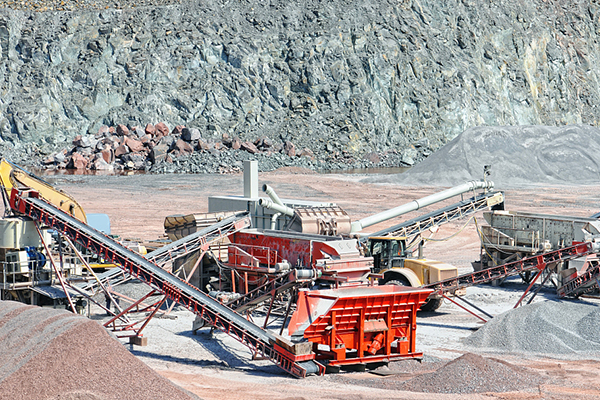
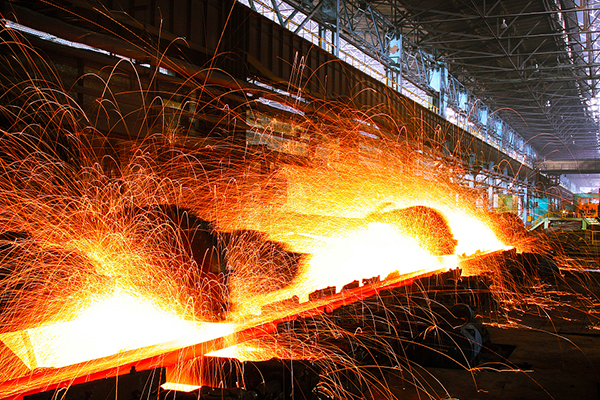
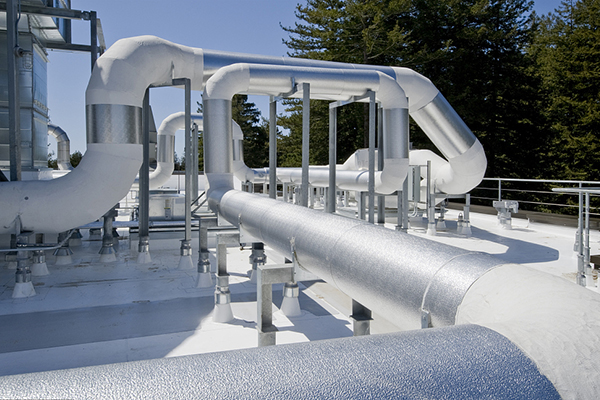
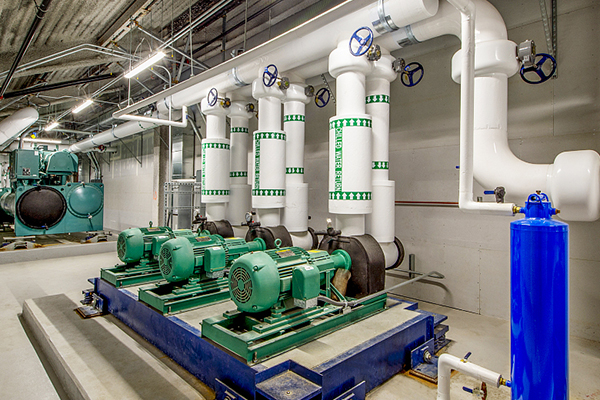
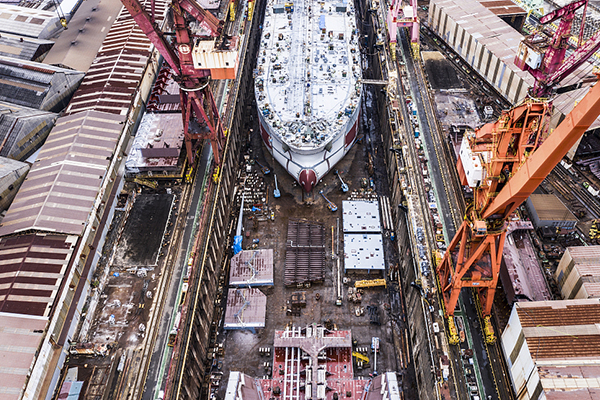
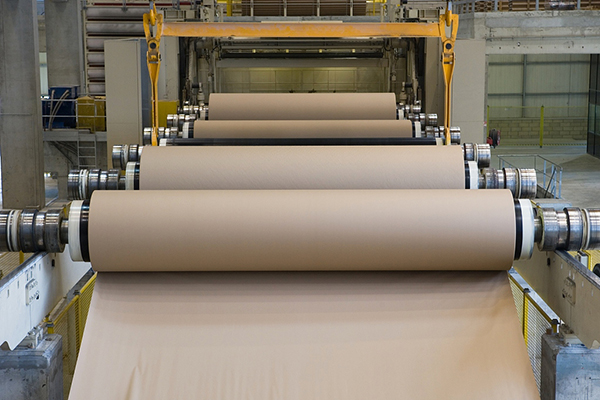
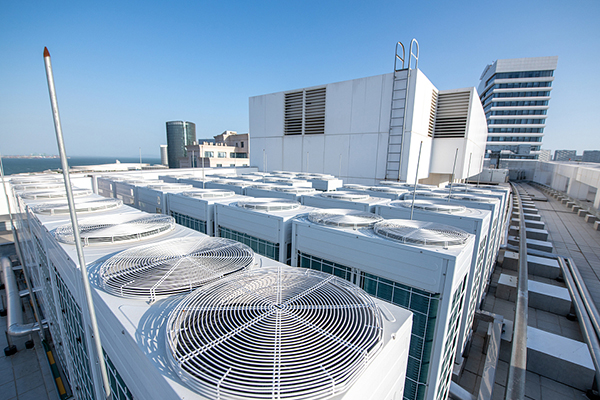
Our industrial products are rigorously audited, tested, and certified to meet premium global standards.




Engineering cohesive powertrain systems: From electromagnetic optimization to mechanical dynamic coordination.
At a macro-industrial scale, a motor is not a standalone component—it is the central energy converter in a complex system. When sourcing high-efficiency induction or permanent magnet motors, specifying the structural properties of the Drive End (DE) and Non-Drive End (NDE) is crucial. Standard motors often suffer from high mechanical resonance and shaft voltages when integrated with modern high-frequency VFDs, leading to premature bearing failure and unplanned downtime.
By taking a comprehensive approach to system design, Shandong Sunvim Motor Co., Ltd. ensures that every motor—whether for heavy mining conveyors, offshore ventilation, or agricultural pumping systems—delivers maximum energy efficiency, exceptional service life, and optimized total cost of ownership (TCO) for global operators.
Answers to critical questions regarding motor selection, Drive End engineering, efficiency classes, and import requirements.
The Drive End (DE) features the primary shaft extension designed to connect to the driven machinery. It is engineered to withstand high radial forces and torque. The Non-Drive End (NDE) is located on the opposite side, typically housing the cooling fan, feedback encoders, or brakes. Bearing sizes often differ, with the DE requiring larger bearings to handle higher mechanical loads.
Variable Frequency Drives (VFDs) generate common-mode voltage, which can cause high-frequency currents to flow through the motor shaft to the bearings. This leads to electrical discharge machining (EDM) and premature failure. To prevent this, VFD-driven motors should be specified with insulated bearings (often at the NDE) and shaft grounding rings at the Drive End to safely divert these currents.
High-efficiency motors (IE4/IE5) reduce energy consumption, lower operating temperatures, and extend insulation and bearing life. Over a motor's lifecycle, energy consumption accounts for over 95% of its total cost of ownership. Upgrading to IE4 or IE5 delivers significant energy savings and reduces carbon emissions, yielding a fast return on investment.
We primarily use high-grade 45# carbon steel for standard applications. For heavy-duty, high-vibration, or marine environments, we employ premium 40Cr alloy steel or stainless steel alloys. These materials undergo precise quenching and tempering to maximize yield strength and fatigue resistance.
Yes, our automated shaft machining lines allow us to customize shaft diameters, lengths, keyway profiles, and splines to match your exact prints. We routinely produce custom shafts to both metric (IEC) and imperial (NEMA) standards with precise tolerances (k6/m6).
All our rotor-shaft assemblies undergo dynamic balancing on high-precision balancing machines. We balance our rotors to ISO 1940 G1.0 standards, which is twice as stringent as the standard G2.5 level. This ensures extremely low vibration, reduced noise, and extended bearing life.
Explore our specialized high-efficiency permanent magnet, synchronous reluctance, and medium-voltage induction motors.
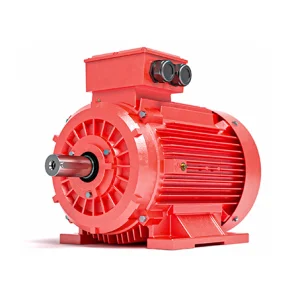
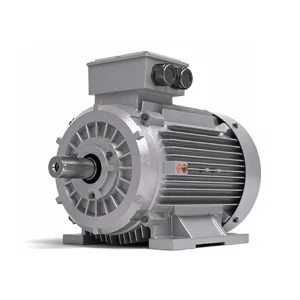
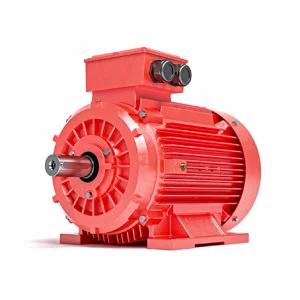
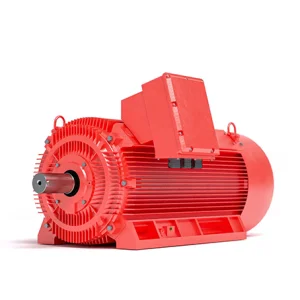
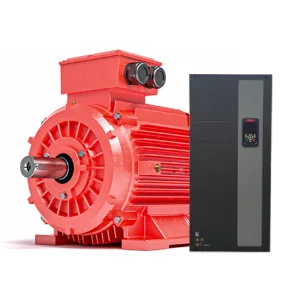
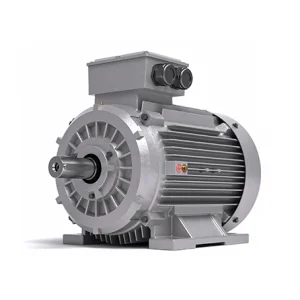
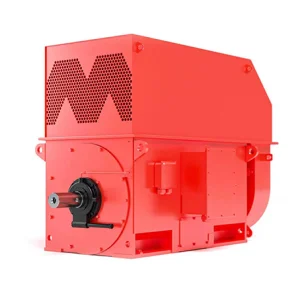
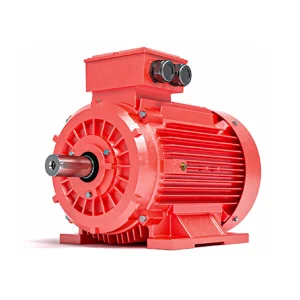
Review these additional engineering-grade motors designed for high duty cycles and severe operating environments.
 Sunvim Motor