 Sunvim Motor
Industrial Whitepaper: The Global Landscape of Slip Ring & Slip On Motors
A comprehensive research-based analysis of wound-rotor motor engineering, global procurement trends, and industrial dynamics.
1. The Physics and Industrial Paradigm of Slip Ring (Slip On) Motors
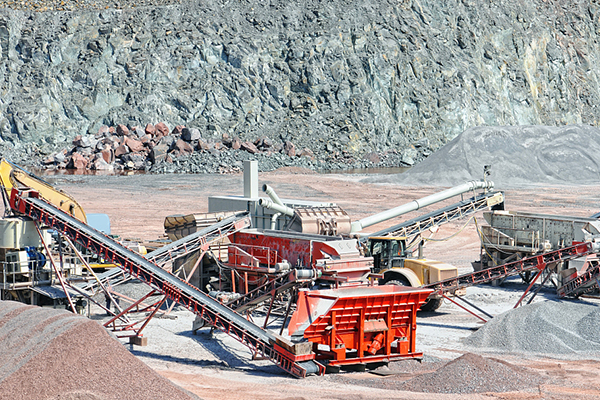
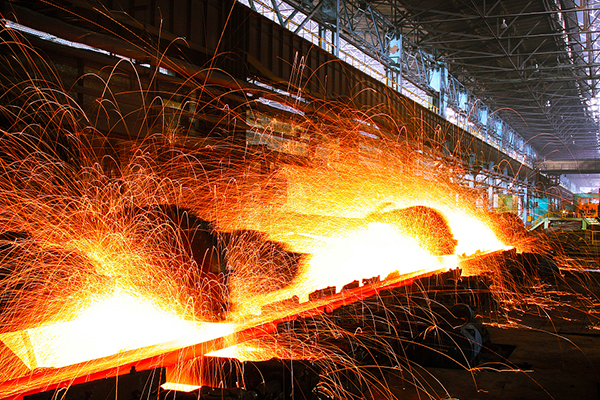
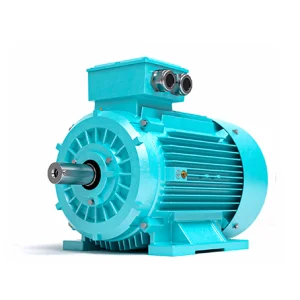
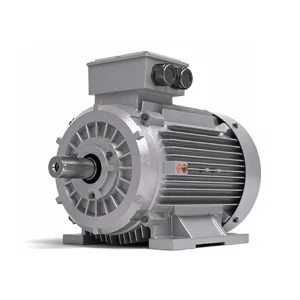
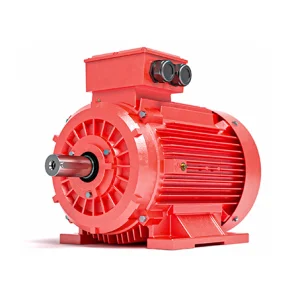
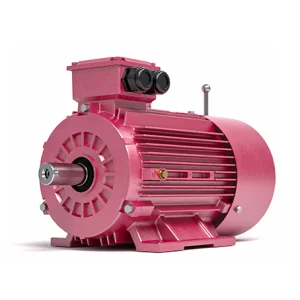
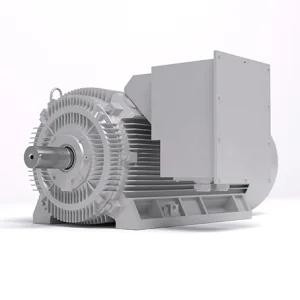
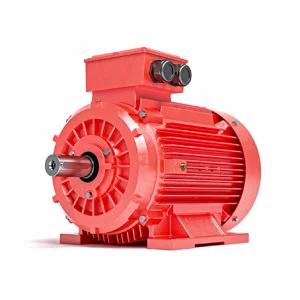
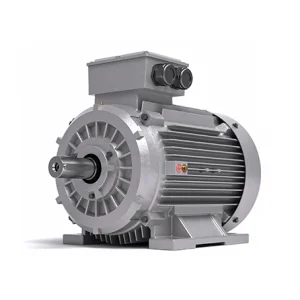
Within heavy engineering domains, the terms "Slip Ring Motors" and "Slip On Motors" represent a cornerstone of heavy-load starting technologies. Functionally known as wound-rotor induction motors, these machines solve a fundamental limitation of standard squirrel-cage designs: high inrush current accompanied by low initial starting torque. By incorporating a series of slip rings and brushes connected to external resistance grids, these systems allow engineers to adjust the rotor impedance dynamically. This configuration optimizes starting torque curves, rendering them indispensable for high-inertia equipment such as mineral crushers, heavy ball mills, ventilation fans, and massive marine propulsion systems.
Globally, heavy industrial complexes are seeking to replace obsolete mechanical clutches with electrical soft-start and external resistor configurations. The modern slip-on structure simplifies maintenance by housing the brush assemblies in modular envelopes that can be readily swapped or inspected without dismantling the entire core motor casing. This engineering progression ensures maximum system uptime and guarantees operational continuity in remote extraction sites across North America, the Middle East, and Sub-Saharan Africa.
2. China's Intelligent Manufacturing & Global Supply Chain Dominance
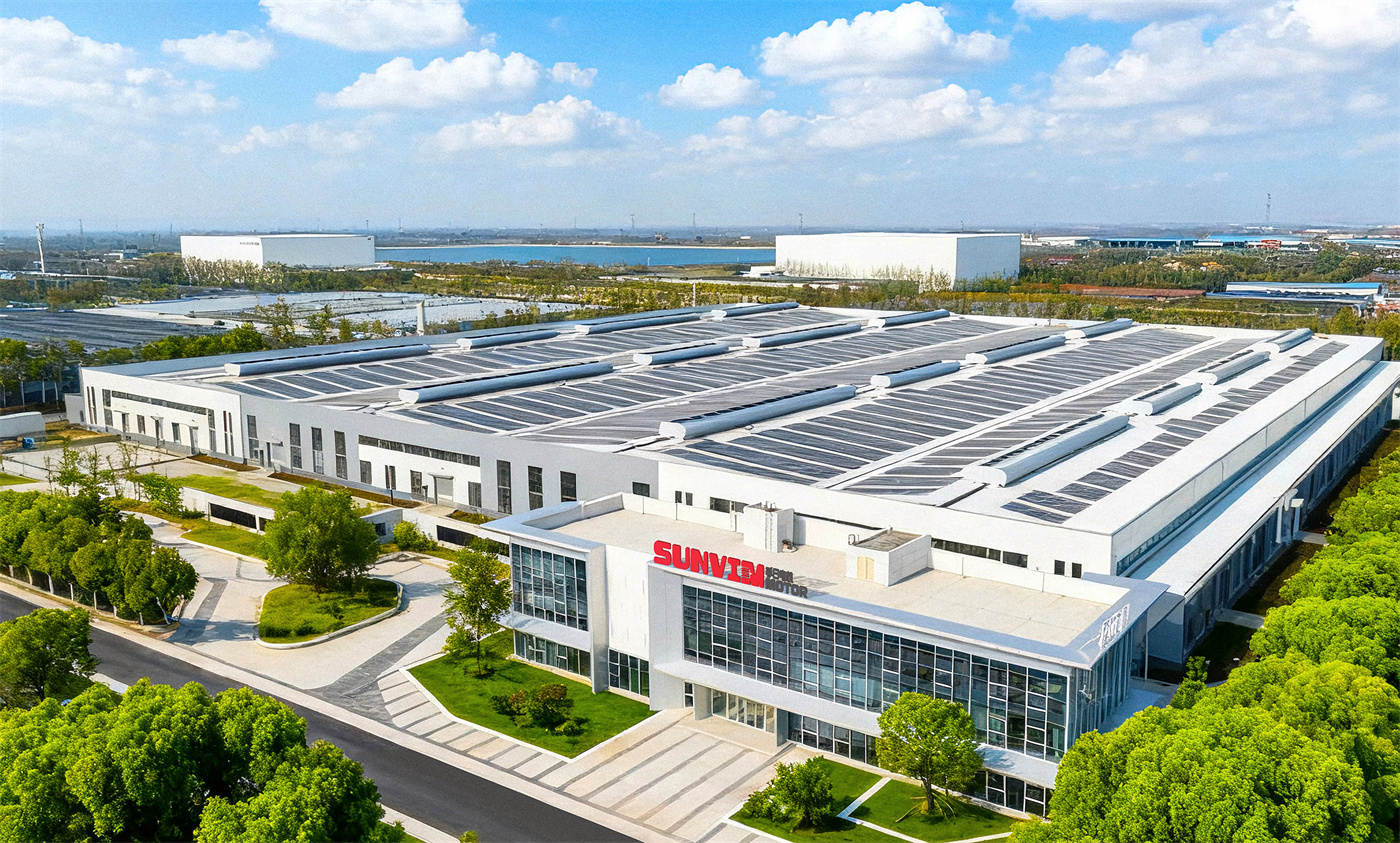
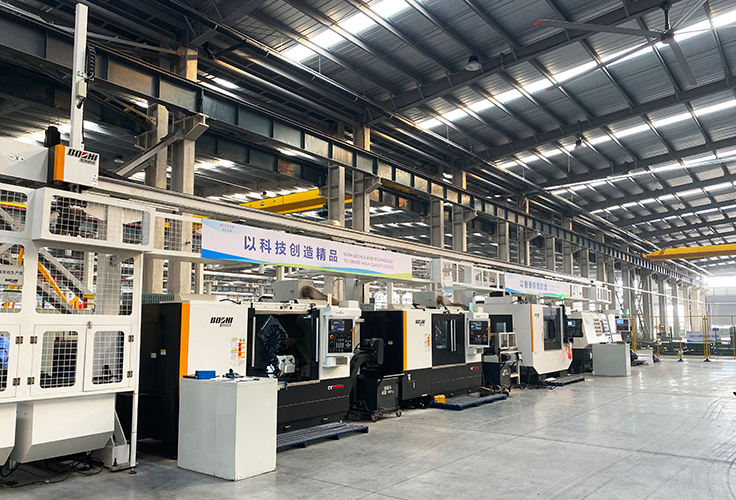
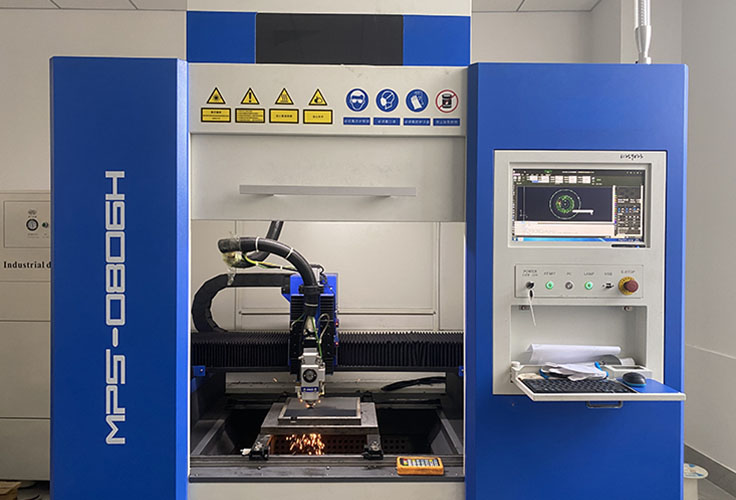
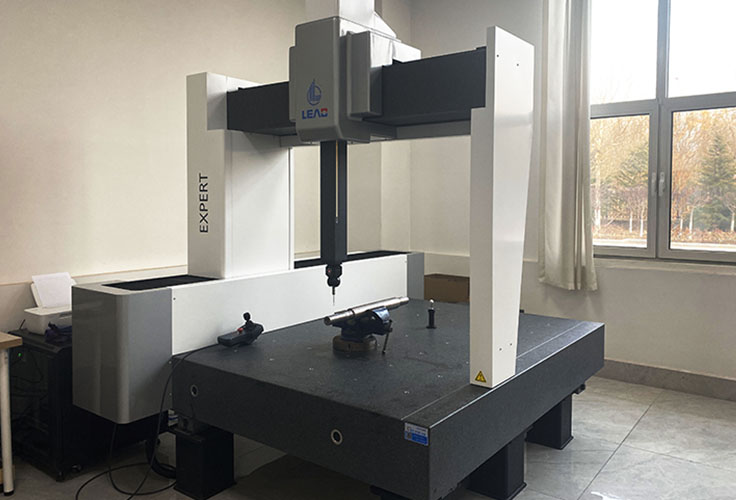
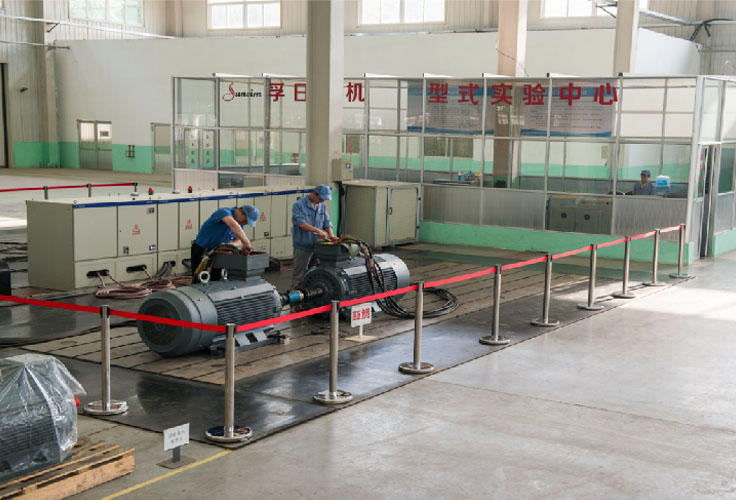
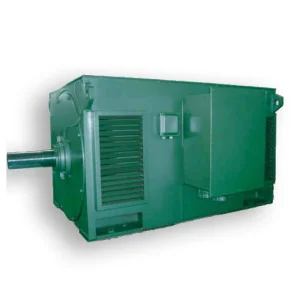
China's industrial sector has completed a fundamental transition from simple low-cost assembly to highly automated, precision-engineered electric motor manufacturing. Factories like Shandong Sunvim Motor Co., Ltd. leverage advanced robotic winding stations, automatic shaft machining lines, and coordinate measuring instruments (CMM) to maintain high component precision. This technological integration allows high-voltage modular systems (such as the YKK and YLKK series) to meet strict international tolerances while reducing lead times compared to Western counterparts.
By streamlining local sourcing for high-grade silicon steel laminations, high-purity copper wiring, and structural castings, Chinese motor manufacturers deliver significant economic efficiencies. This dynamic is not defined by raw labor savings, but by complete digital supply-chain optimization, vertical integration, and advanced quality assurance procedures. Buyers from Europe, South America, and Southeast Asia can secure CE, UL, and marine-certified (CCS, ABS, DNV) motors that are engineered to integrate seamlessly into existing operations.
3. Emerging Decarbonization Trends & Next-Generation Motor Topologies
The global push for net-zero carbon emissions has altered motor procurement criteria. While slip-ring and slip-on technologies remain dominant for highly inductive starting loads, they are increasingly paired with active variable frequency drives (VFD) and energy-recovery systems to minimize losses. Furthermore, the integration of permanent magnet synchronous motors (PMSM) and ultra-high efficiency ratings (IE4 and IE5) represents the next frontier in industrial drive systems.
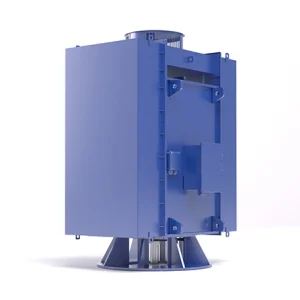
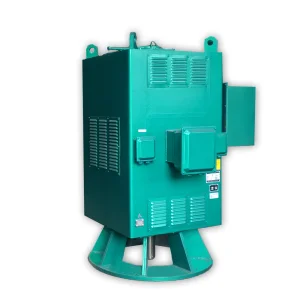
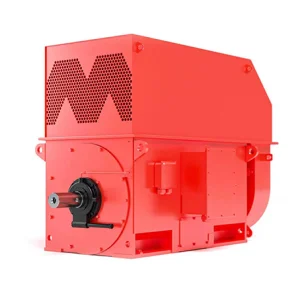
By transitioning key auxiliary systems to permanent magnet and synchronous reluctance topologies, operations can achieve energy consumption reductions of up to 15%. Modern modular enclosures now incorporate advanced thermal cooling designs, such as air-to-air heat exchangers (as seen in YKK-type motors) and rib-cooled configurations. These innovations allow heavy machinery to operate continuously under extreme load profiles without risking thermal degradation or early insulation failure.