Deploying cutting-edge architecture engineered to maximize system throughput and efficiency. Explore our globally certified configurations engineered for high duty-cycle industrial environments.
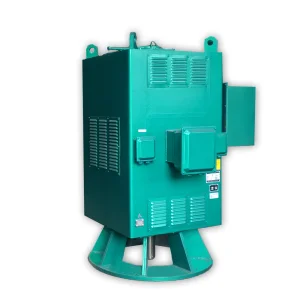
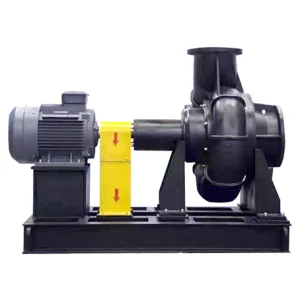
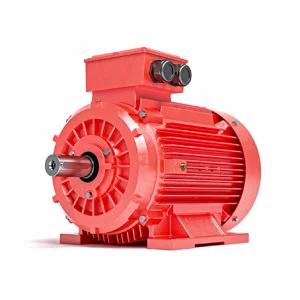
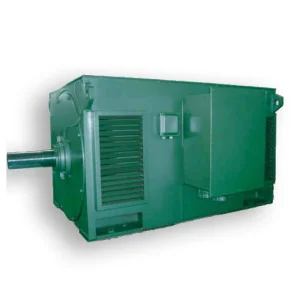
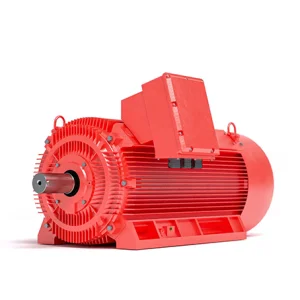
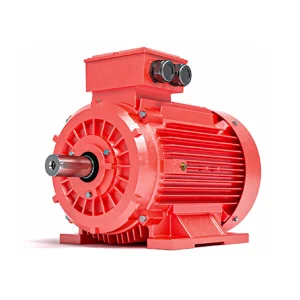
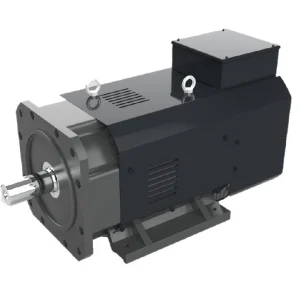
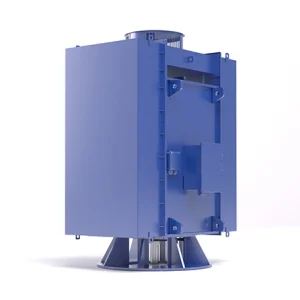
In modern heavy industry and high-precision automation, the selection of powertrain components has shifted decisively toward highly efficient electromechanical architectures. AC Synchronous Motors represent the absolute pinnacle of this evolution. Unlike asynchronous induction motors, where the rotor slips relative to the rotating magnetic field of the stator, AC synchronous motors operate in perfect lockstep with the line frequency (or the drive output frequency). This zero-slip operation eliminates rotor current losses, yielding an exceptional power factor and unmatched operational efficiency.
Our engineering methodologies center on addressing the primary challenges faced by plant managers and mechanical OEMs: energy dissipation, reactive power penalties, and maintenance frequency. By incorporating advanced stator geometry, highly uniform air gaps, and optimized stator winding pitches, we minimize total harmonic distortion (THD) and thermal accumulation inside the frame housing. This high thermal capability permits smaller frame sizes without sacrificing mechanical output, allowing seamless retrofits of legacy systems.
Furthermore, the rise of Permanent Magnet AC (PMAC) and Synchronous Reluctance (SynRM) technologies has redefined speed-torque curves across variable load profiles. In systems utilizing Variable Frequency Drives (VFDs), our AC synchronous motors exhibit high efficiency even at partial speeds, an operational territory where conventional induction motors suffer critical drops in torque and energy performance. This renders our motor systems exceptionally suited for dynamic processes requiring constant pressure, variable airflow, or high torque at zero-speed configurations.
Procuring heavy industrial rotating machinery requires deep technical scrutiny paired with pricing visibility. The pricing of high-quality AC synchronous motors is governed by three primary variables: electromagnetic materials pricing (copper, high-grade silicon steels, and premium rare-earth NdFeB permanent magnets), ingress protection ratings (IP55 to IP66), and structural frame materials. The table below highlights standard pricing benchmarks across key configurations designed to simplify B2B procurement pipelines.
| Series & Topology Type | Typical Rated Power Range (kW) | IP Ingress Protection | Frame Sizes (IEC Standards) | Primary Industrial Use-Case | Est. FOB Price Range (USD)* |
|---|---|---|---|---|---|
| YL Series Modular | 11 kW – 315 kW | IP54 / IP55 | 160M – 355L | Compressors, Pumps, Fan Systems | $1,200 – $8,500 |
| SCZ Synchronous Reluctance | 7.5 kW – 200 kW | IP55 / IP56 | 132S – 315M | Pulp & Paper, High Duty-Cycle Processing | $1,800 – $9,800 |
| FP Series PM Motors | 5.5 kW – 160 kW | IP55 / IP65 | 112M – 280M | High-Precision Marine, Textile Machineries | $2,200 – $11,500 |
| YKK/YXKX High Voltage | 220 kW – 3,000 kW | IP23 / IP54 / IP55 | 355 – 630 | Mining Crushers, Massive Blowers, Metallurgy | $15,000 – $85,000 |
| Slip Ring Asynchronous | 110 kW – 2,500 kW | IP54 | 280 – 560 | High Inertia Mills, Ball Grinders | $9,500 – $65,000 |
*Note: Pricing indicates base configurations. Custom configurations, specialized shaft dimensions, extreme climate thermal protection, or hazardous location classifications (ATEX/IECEx) are quoted based on specific client engineering requirements.
Boasting over 60 years of foundational engineering expertise in electric motor research, prototyping, and large-scale manufacturing, Shandong Sunvim Motor Co., Ltd. stands as the cornerstone of industrial power innovation. Backed by the immense resources of the Sunvim Group—a premier multi-billion RMB multi-industrial conglomerate—we guarantee not only engineering excellence but also long-term financial viability, secure supply chains, and consistent R&D investments.
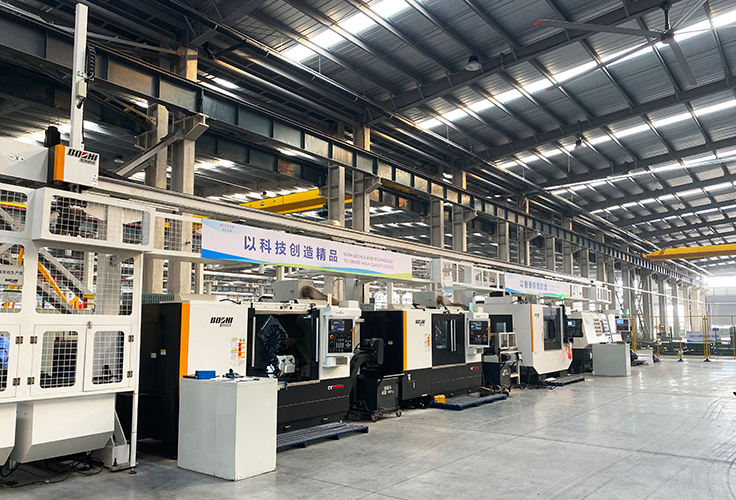
In 2022, following a strategic relocation and asset modernization program, Sunvim Motor inaugurated its high-standard, smart manufacturing facility inside the Sunvim Industrial Park. Covering a massive structural layout of 68,000 m² with a modern construction area of 53,000 m², our facilities house over 400 sets of next-generation automated production lines, testing modules, and CNC equipment. Today, our annual manufacturing throughput has climbed to an impressive 3 million kilowatts, enabling us to service large-scale OEM orders and global distribution networks with absolute punctuality.
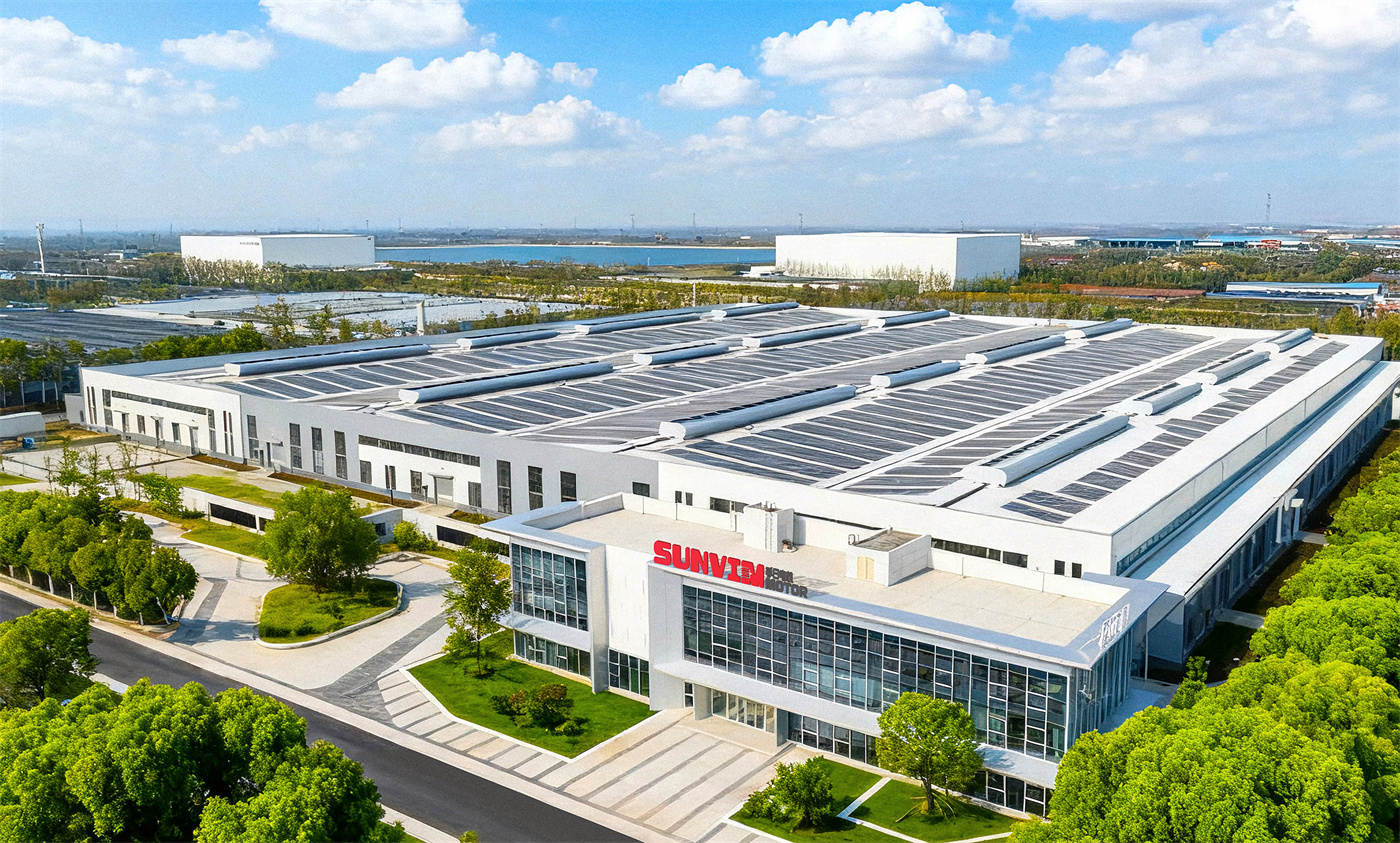
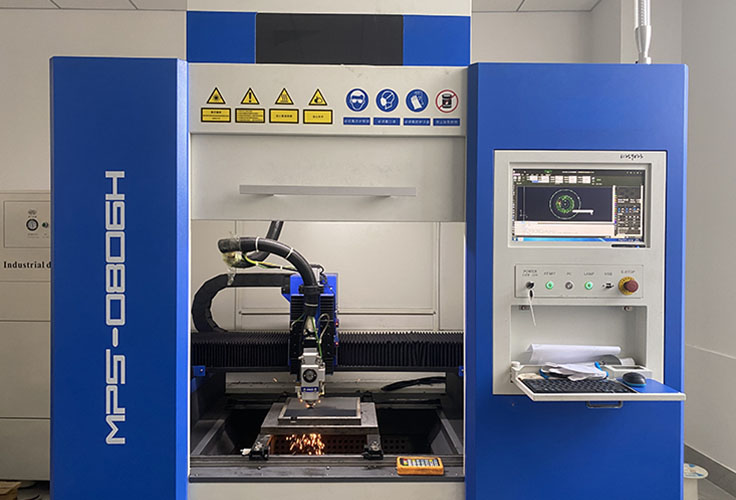
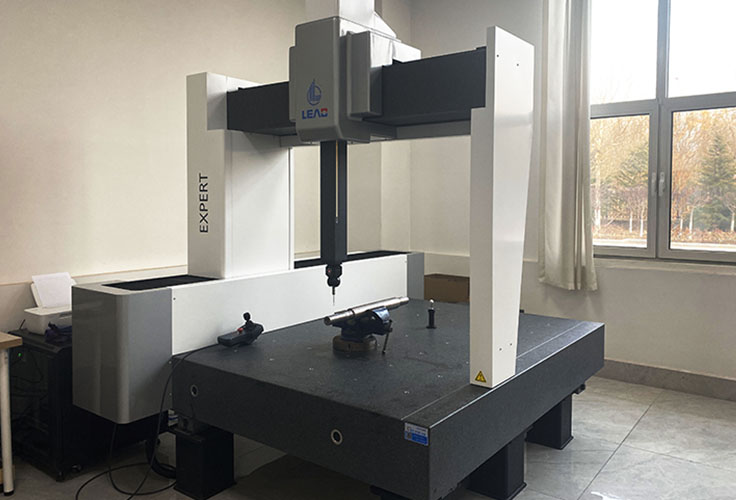
In accordance with E-E-A-T quality standards, our physical testing systems ensure zero defects in heavy-duty environments. Our advanced facility relies on computerized machining lines and state-of-the-art precision coordinate instruments to meet strict global tolerances.
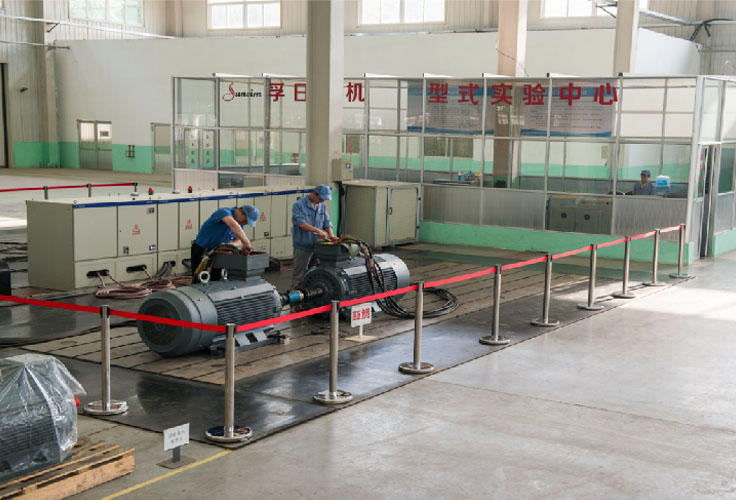
From our mid-20th-century roots to our present-day smart production campuses, explore how our technical capability and supply networks have continuously advanced over time.
Gaomi Electric Appliance Factory Established: Our manufacturing legacy begins, focused on initial grid equipment and machinery rewinding. In 1988, renamed as Weifang Electric Machinery Factory.
Corporate Seed Sown: Mr. Sun, then the factory director, left the Gaomi Electric Appliance Factory and set up Gaomi Towel Factory, the predecessor of Sunvim Group.
Acquisition & Integration: Weifang Electric Machinery Factory was acquired by Sunvim Group. Shandong Sunvim Electrical Machinery Co. Ltd. was formally established to serve regional industrial needs.
Relocation & Strategic Rebrand: The state-of-the-art smart factory in Sunvim Industrial Park was completed, and the company officially rebranded as Shandong Sunvim Motor Co. Ltd., stepping into the global high-efficiency market.
To facilitate seamless integration into global mechanical networks, our AC synchronous and high-output motors conform to international certification criteria. These certifications cover electrical efficiency, mechanical housing integrity, marine deployment, and area classifications.


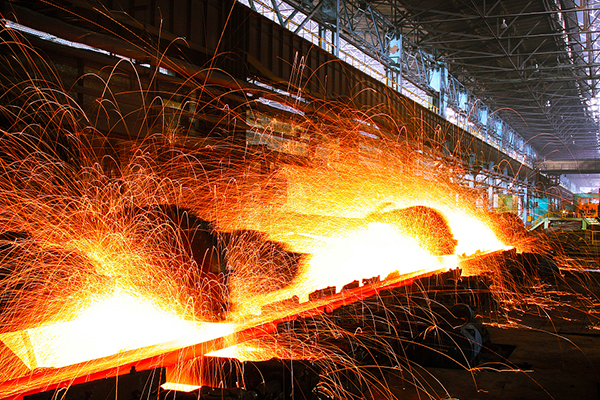
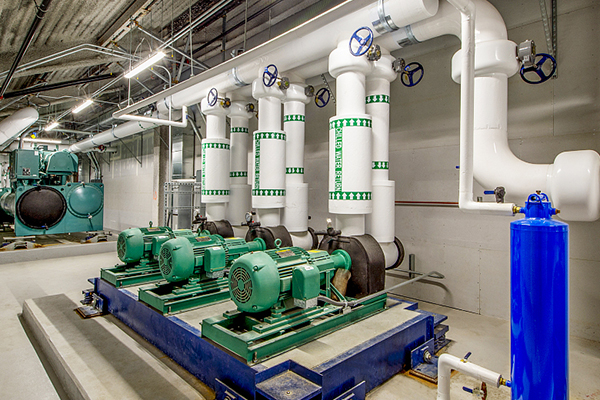
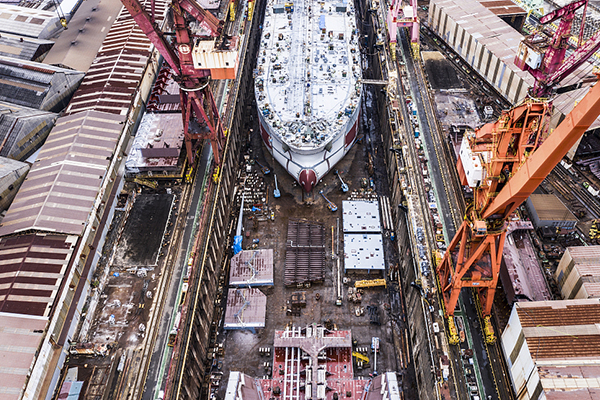
From deep mining operations to specialized maritime systems, our electric motors deliver reliable power and mechanical stability under diverse operational conditions.
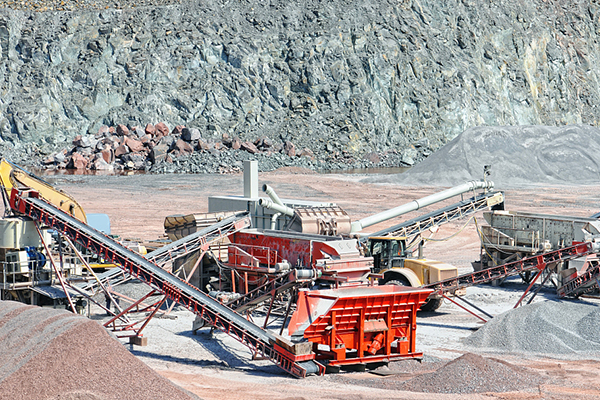


Securing raw components and managing global delivery schedules is essential for B2B engineering projects. Our logistic networks cover major shipping channels, supported by customs clearance certifications in destination countries like Germany, Italy, Spain, South Africa, Slovakia, and Australia. Our shipping partners maintain continuous asset tracking, ensuring large-scale motor equipment arrives on site on schedule.
To resolve operational challenges promptly, Sunvim Motor has established dedicated local engineering partnerships across our primary international markets. When an operator in South Africa or a processing plant in Germany requires urgent parameter calibration or component inspection, our engineering contacts are ready to assist. This structured service model minimizes downtime and ensures technical support is available when needed.
Furthermore, our compliance framework addresses international environmental legislation. We conform strictly to the European Union Ecodesign Directive, ensuring all distributed IE3 and IE4 configurations meet standard operational requirements. By utilizing recyclable alloy brackets and low-loss magnetic cores, we support carbon footprint reduction targets across our corporate client network.
As global energy regulations tighten, industrial facilities are seeking motor solutions that optimize power consumption. Our engineering division is focused on developing three key motor technologies to meet these challenges:
Integrating direct IoT thermal and vibration sensors into frame cavities allows real-time health monitoring. This predictive maintenance setup identifies anomalous stator temperature rises or minor bearing wear before failures occur, helping to prevent costly downtime.
Research is focused on heavy-duty, magnet-free high-efficiency configurations. By optimizing the rotor geometry of Synchronous Reluctance (SynRM) motors, we aim to match the performance of permanent magnet systems while mitigating raw material supply risks.
Developing compact high-voltage synchronous models designed to perform efficiently under variable speed demands. By refining winding insulation systems, we help processing plants reduce overall electrical footprint.
For engineers, procurement directors, and plant operators seeking quick technical insights, we compile key professional questions and answers below:
The main distinction lies in rotor slip. In asynchronous induction motors, the rotor slips behind the rotating stator field to induce current. In AC synchronous motors, the rotor is locked in synchrony with the line frequency. This zero-slip design eliminates rotor current losses, yielding higher operating efficiency and power factor.
We use premium class F insulation systems with Class B temperature rise evaluations. External frame elements feature deep cooling ribs, and we utilize computational fluid dynamics to optimize internal airflow, ensuring low operating temperatures even under continuous maximum load.
While some synchronous configurations can be modified for DOL starting via built-in amortisseur windings, permanent magnet and synchronous reluctance designs are optimized for VFD control. Utilizing a drive ensures accurate speed control, soft starting, and optimal torque performance.
Because synchronous reluctance and high-efficiency induction models have lower operating temperatures, they generally require less frequent maintenance. Stator insulation checks and bearing lubrication intervals are extended, lowering overall operating costs.
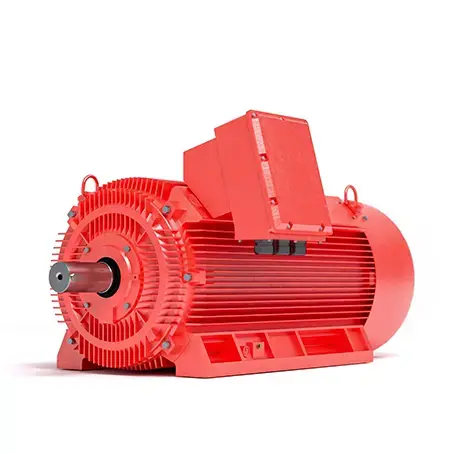
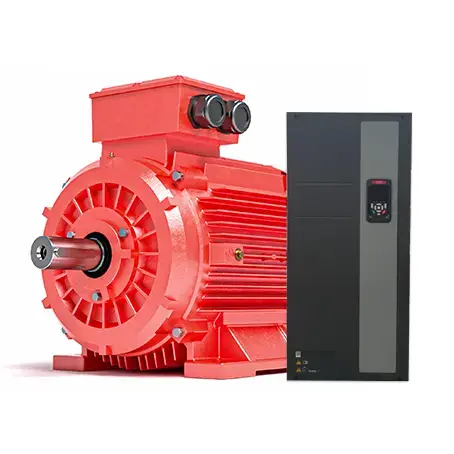
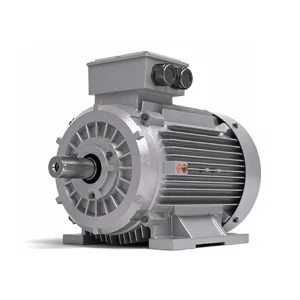
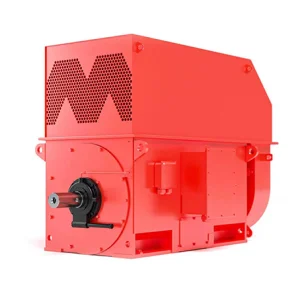
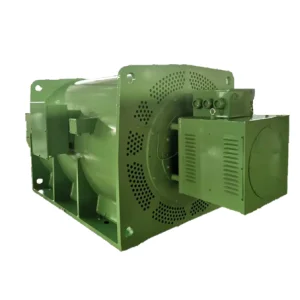
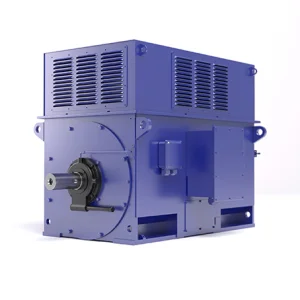
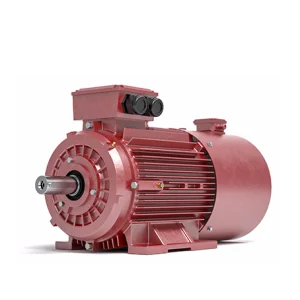
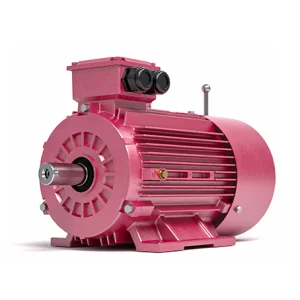
Check out the most frequently specified motor models in our current industrial inventory, relied on by premium operators worldwide.
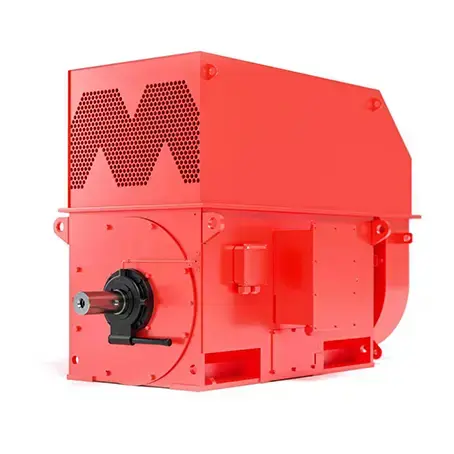
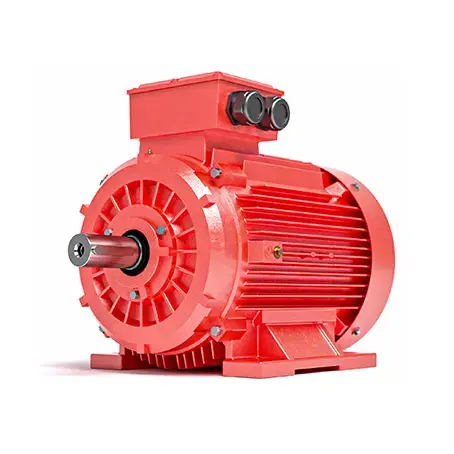
Find the ideal specification match for your upcoming project installation. Contact our sales engineering team for a detailed custom quotation.
 Sunvim Motor