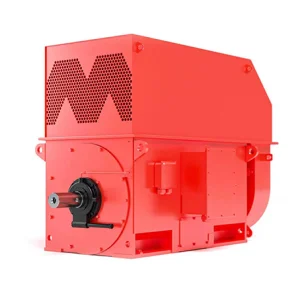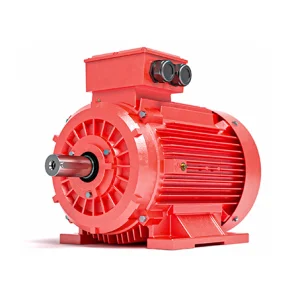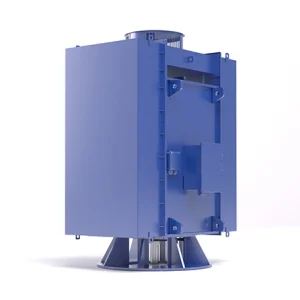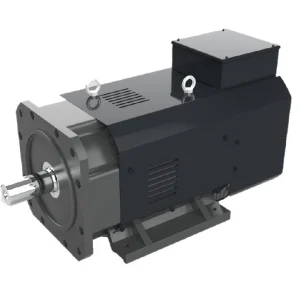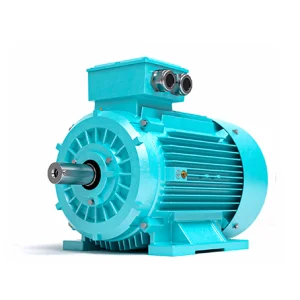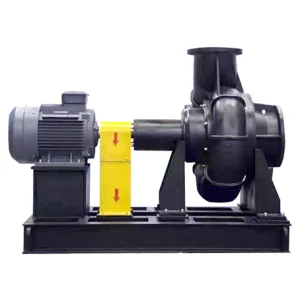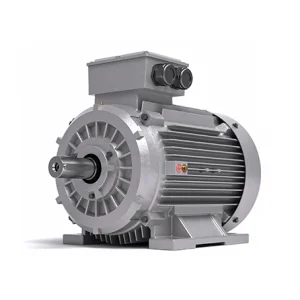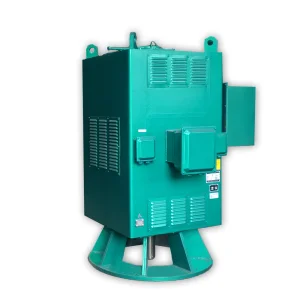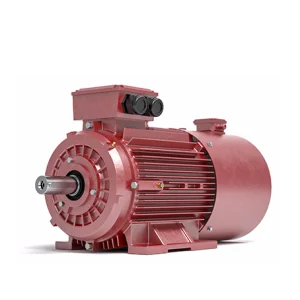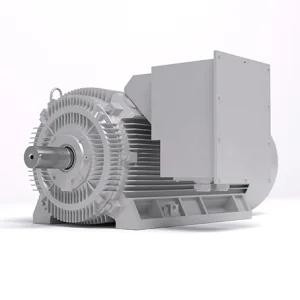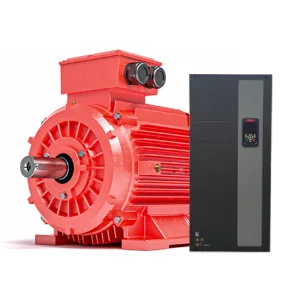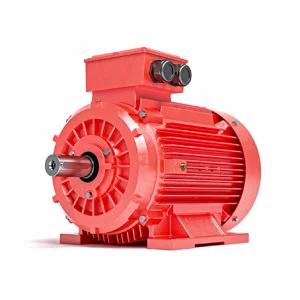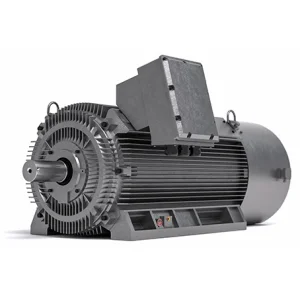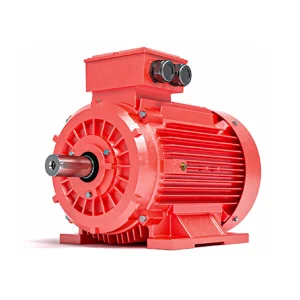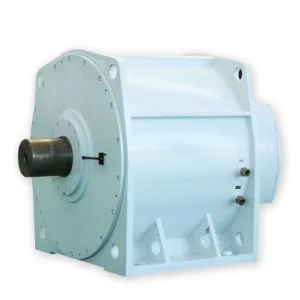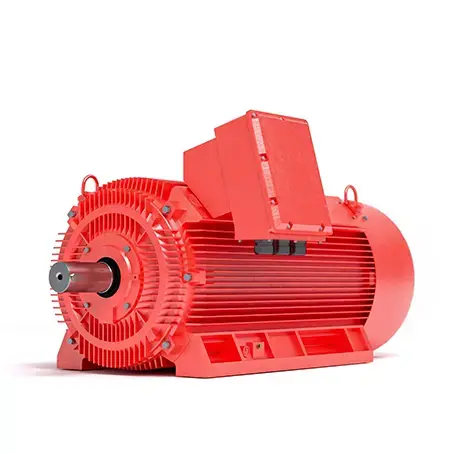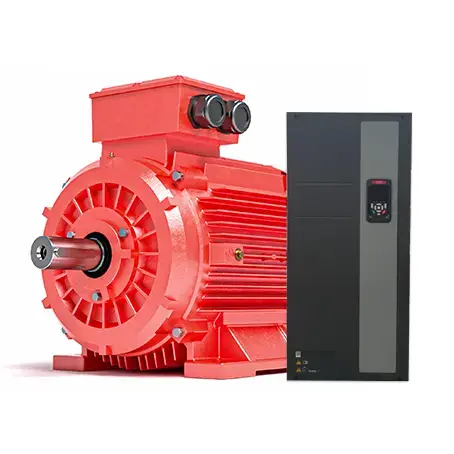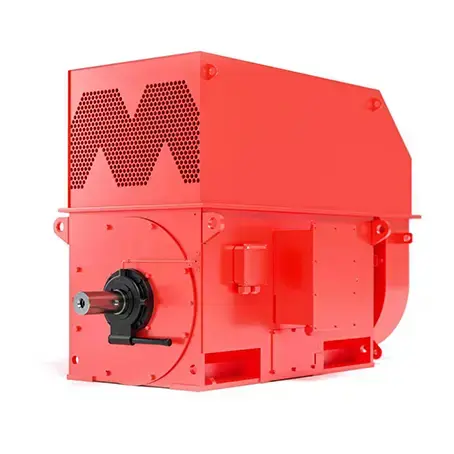
In the era of rapid electrification, renewable energy integration, and heavy automation, the electric motor acts as the heart of modern civilization. At the core of this technology is OEM Copper Winding. Unlike alternative materials like aluminum, copper delivers unmatched electrical conductivity (100% IACS), superior thermal resilience, and minimal resistance loss. These physical properties are critical for meeting strict international efficiency mandates, such as the IEC's IE3, IE4, and IE5 standards.
The global demand for custom electromagnetic configurations has driven motor manufacturers to push the limits of copper winding technology. Industrial applications require diverse variations, including random-wound round wire, precision form-wound stator coils, and concentrated hairpin windings. Each setup is engineered to optimize the slot fill factor—the physical ratio of copper conductor volume to total stator slot space. Modern high-efficiency motors depend on advanced winding topologies to maximize flux density and eliminate thermal hot spots, which can degrade insulation and cause premature winding failure.
Copper's exceptional thermal conductivity allows quick heat dissipation across the slot structure, maintaining stable performance under continuous load profiles.
By minimizing Joule heating losses (I²R), precision copper windings enable systems to easily achieve IE4 and IE5 super premium efficiency levels.
Advanced layered stator winding maximizes the active copper area in the slot, yielding higher torque density in a compact motor envelope.
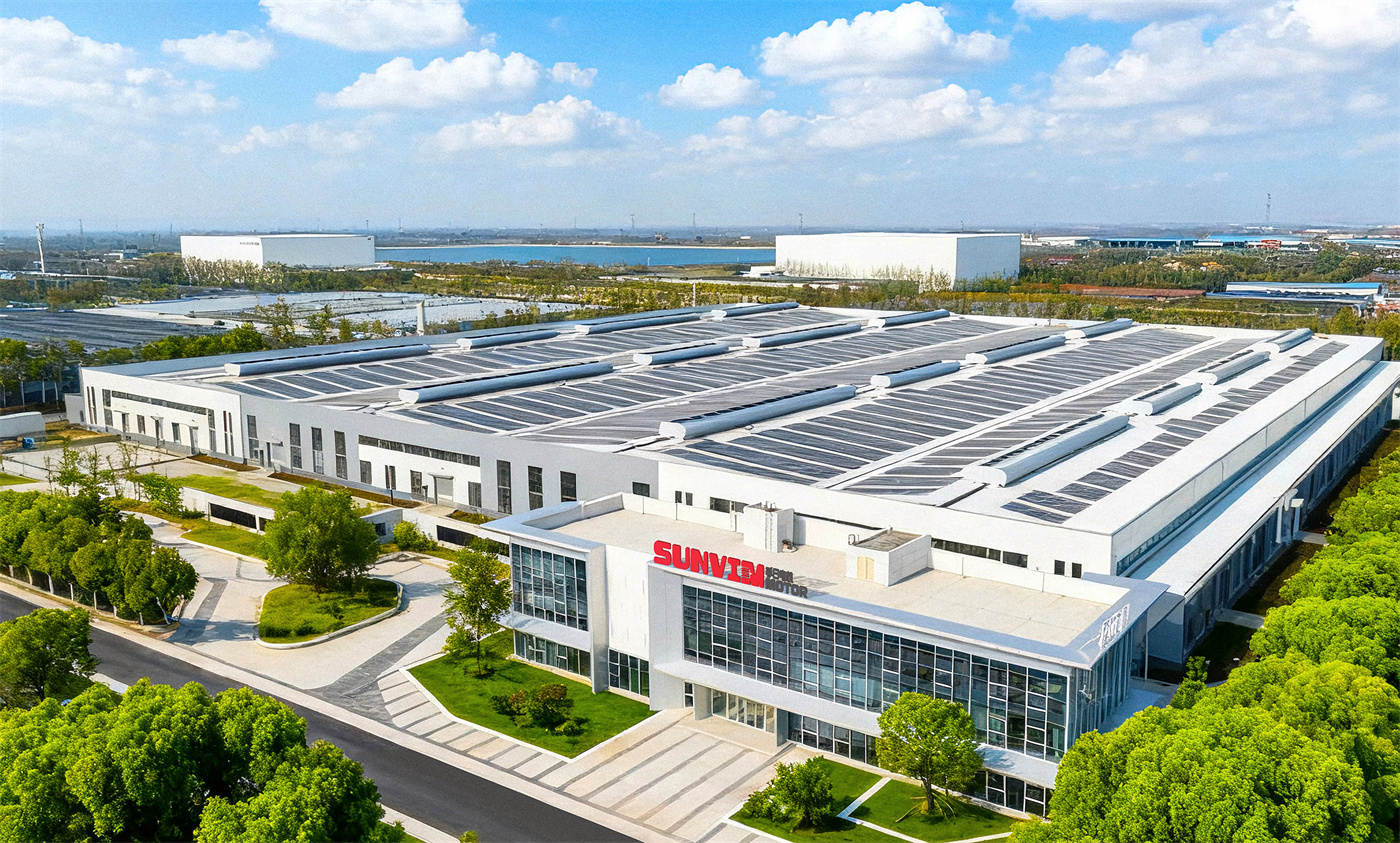
Operating since 1963, Shandong Sunvim Motor Co., Ltd. serves as a prime example of China's advanced manufacturing efficiency. Over six decades of continuous development, backed by the multi-billion RMB Sunvim Group, have established our specialized operations. We represent the modern paradigm of industrial integration, combining raw material sourcing, automated precision fabrication, dynamic quality assurance, and global shipping into a single, seamless workflow.
With an investment of 220 million RMB, Sunvim’s state-of-the-art facilities span over 68,000 square meters, housing advanced automated winding, machining, and testing lines. This infrastructure enables an annual production capacity of up to 3 million kilowatts. For global procurement officers, this scale delivers dual benefits: high-precision repeatability and excellent cost-to-performance efficiency. Our automated production protects our copper windings from tension fluctuations, insulation scratches, and slot damage, ensuring reliable performance in harsh environments.
| Performance Indicator | Sunvim Standard Performance | Global Industry Average | Strategic Enterprise Value |
|---|---|---|---|
| Winding Slot Fill Factor | 78% - 85% (Form Winding) | 65% - 72% | Increased magnetic density, higher torque, and lower operating temperatures. |
| Insulation Class & Rating | Class H (180°C) / Class F (155°C) | Class F (Standard) | Extended motor lifespan under heavy overload conditions. |
| Varnish Impregnation Method | Vacuum Pressure Impregnation (VPI) | Trickle or Dip Impregnation | Void-free insulation, optimal heat dissipation, and moisture protection. |
| Testing Precision | Three Dimensional Coordinate Measuring | Manual Measurement Tools | Micro-level structural alignment, eliminating rotor-stator friction risks. |
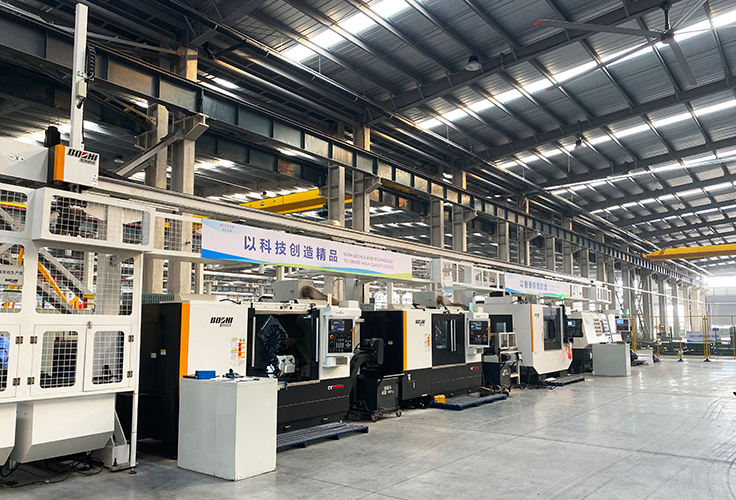
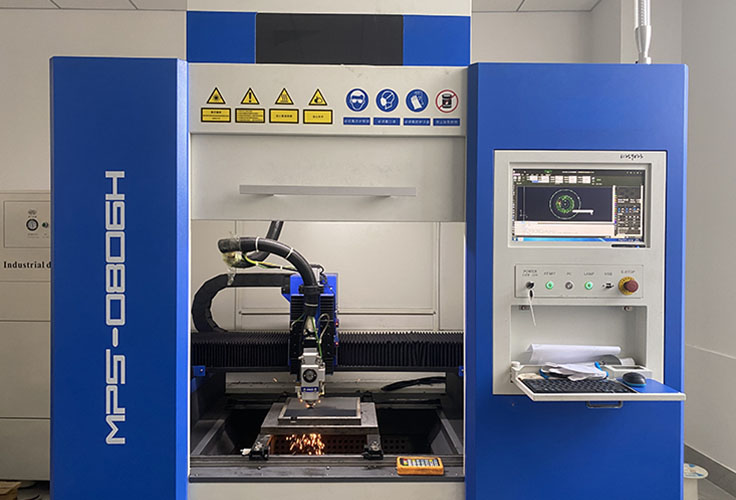
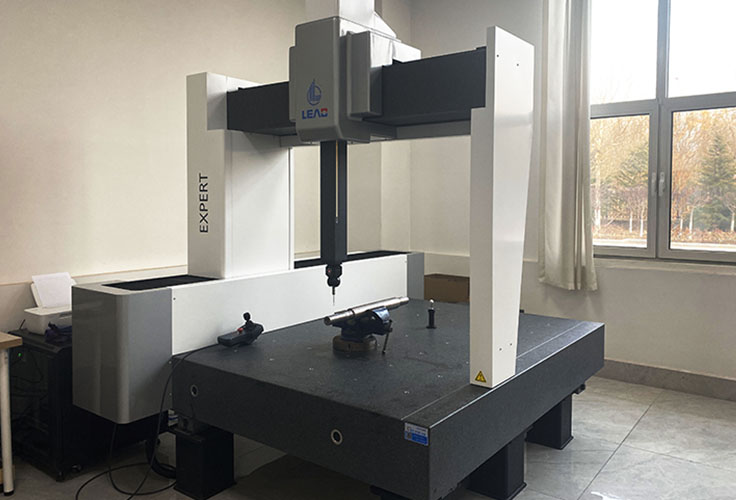
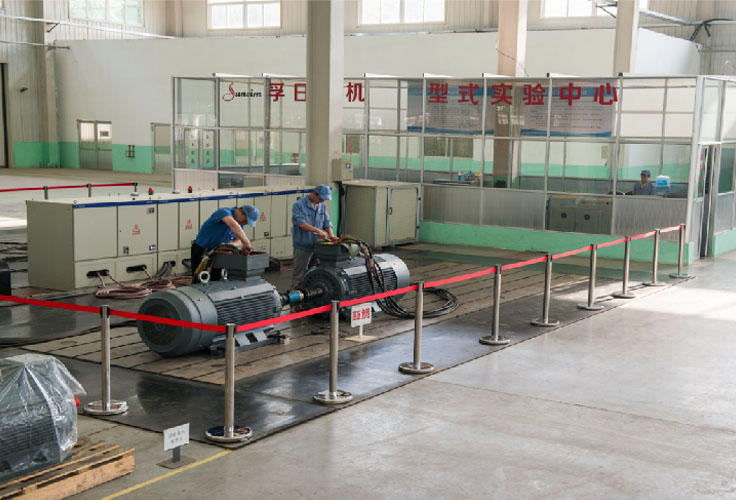
Equipped with over 400 sets of high-precision tools, our facility achieves excellent mechanical tolerances. From cutting laminations with high-speed laser systems to inspecting structural shapes via 3D Coordinate Measuring Instruments, we ensure total reliability across every product batch.
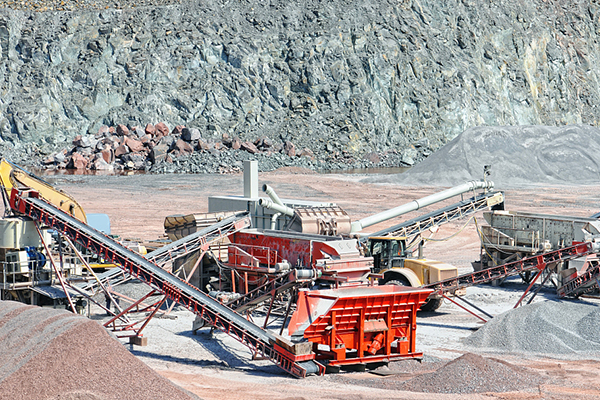
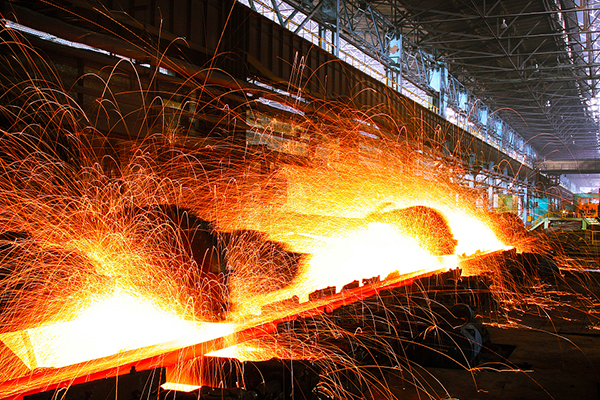
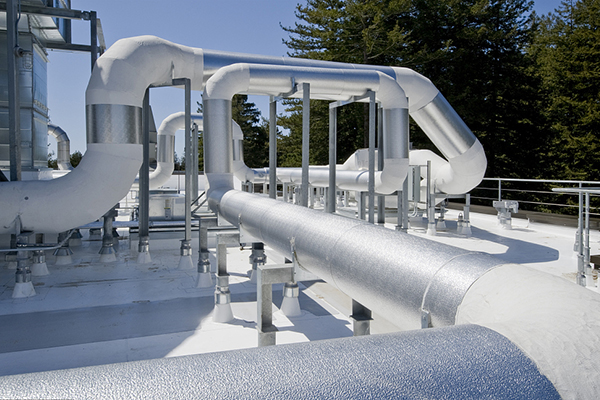
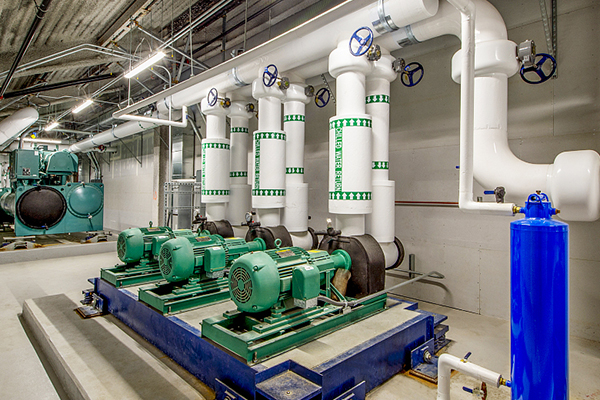
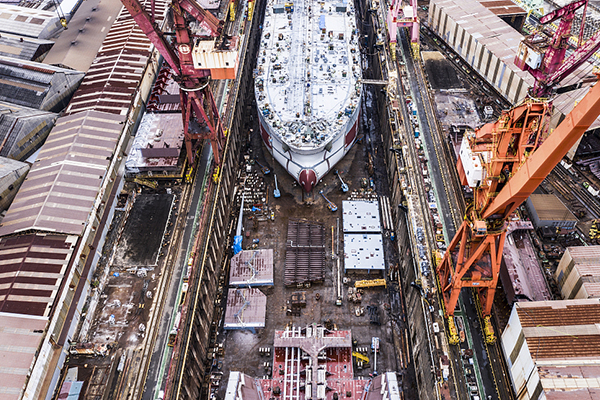
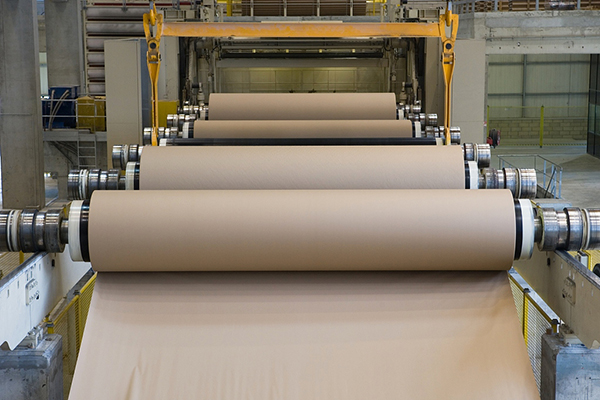
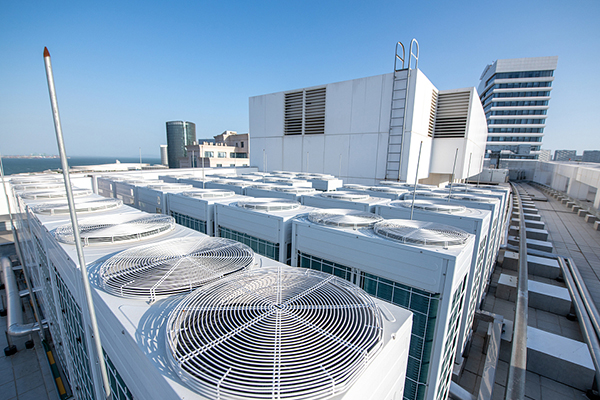
Copper-wound motors operate across a broad range of demanding industrial applications. The mechanical layout and insulation system of our copper windings are specifically engineered to handle the environmental and operational challenges of each key sector.


Reliability is critical for global supply chains. At Shandong Sunvim Motor, our custom designs, materials, and processes undergo strict inspection and testing. Our products are fully certified by the world's leading industrial regulatory bodies, ensuring seamless compliance across global markets.


Industrial excellence is built over time. Our journey from a local manufacturer in 1963 to a modernized global provider shows a steady dedication to engineering and manufacturing improvement.
Gaomi Electric Appliance Factory is established, laying the foundation for our motor research. Later in 1988, it was renamed Weifang Electric Machinery Factory.
Mr. Sun founds the Gaomi Towel Factory, establishing the industrial manufacturing principles that would form the foundation of today's Sunvim Group.
Weifang Electric Machinery Factory is formally acquired by Sunvim, leading to the creation of Shandong Sunvim Electrical Machinery Co. Ltd.
A state-of-the-art facility is completed within the Sunvim Industrial Park, and the company is officially renamed Shandong Sunvim Motor Co., Ltd.
The industrial sector is undergoing a major transition toward carbon neutrality, driving changes in procurement requirements. Motor OEMs and heavy industries are shifting away from standard off-the-shelf components. Today’s procurement teams seek suppliers capable of co-developing highly specialized solutions. We actively align our production capabilities with these core industry trends:
Standard copper windings face insulation wear when driven by fast-switching IGBT inverters. Modern applications demand specialized insulation configurations, including coronashielding wire coatings and vacuum-pressure impregnation (VPI), to ensure long-term reliability under VFD operation.
As efficiency targets move toward IE5, traditional induction configurations are evolving. Hybrid rotors and synchronous reluctance systems depend on precise stator layouts to achieve minimal winding losses and reliable torque performance.
Global industrial operators require fully documented quality verification. Manufacturers must provide comprehensive performance records, chemical testing analysis, and electrical resistance sheets for every batch of wound components.
 Sunvim Motor