Engineered specifically for high-humidity, high-torque configurations in Thai water management, industrial manufacturing, and chemical infrastructure projects.
As the industrial and financial epicentre of Thailand, the Bangkok Metropolitan Area, alongside the adjacent Eastern Economic Corridor (EEC) including Chonburi and Rayong, is undergoing a profound structural shift. Guided by the national "Thailand 4.0" development model and stringent energy efficiency mandates under the Energy Conservation Promotion Act (ENCON), legacy industrial machinery is rapidly being modernized.
Historically, traditional three-phase induction motors (induction drives) dominated Bangkok’s chemical processing plants, textile mills, municipal pump stations, and massive HVAC installations. However, induction machines operate at a fundamentally lower efficiency profile under partial loads, dissipating energy as rotor copper losses.
Permanent Magnet Synchronous Motors (PMSMs) solve this critical challenge. By utilizing high-coercivity rare-earth neodymium-iron-boron (NdFeB) permanent magnets within the rotor structure, PMSMs completely eliminate rotor excitation losses. In Bangkok’s hot and humid tropical climate—where ambient temperatures routinely exceed 40°C and humidity hovers at 85-95%—minimizing internal motor thermal stress is vital. Reduced operating temperatures translate directly to extended winding insulation lifetimes (Class H systems) and significantly lower lifecycle maintenance overheads.
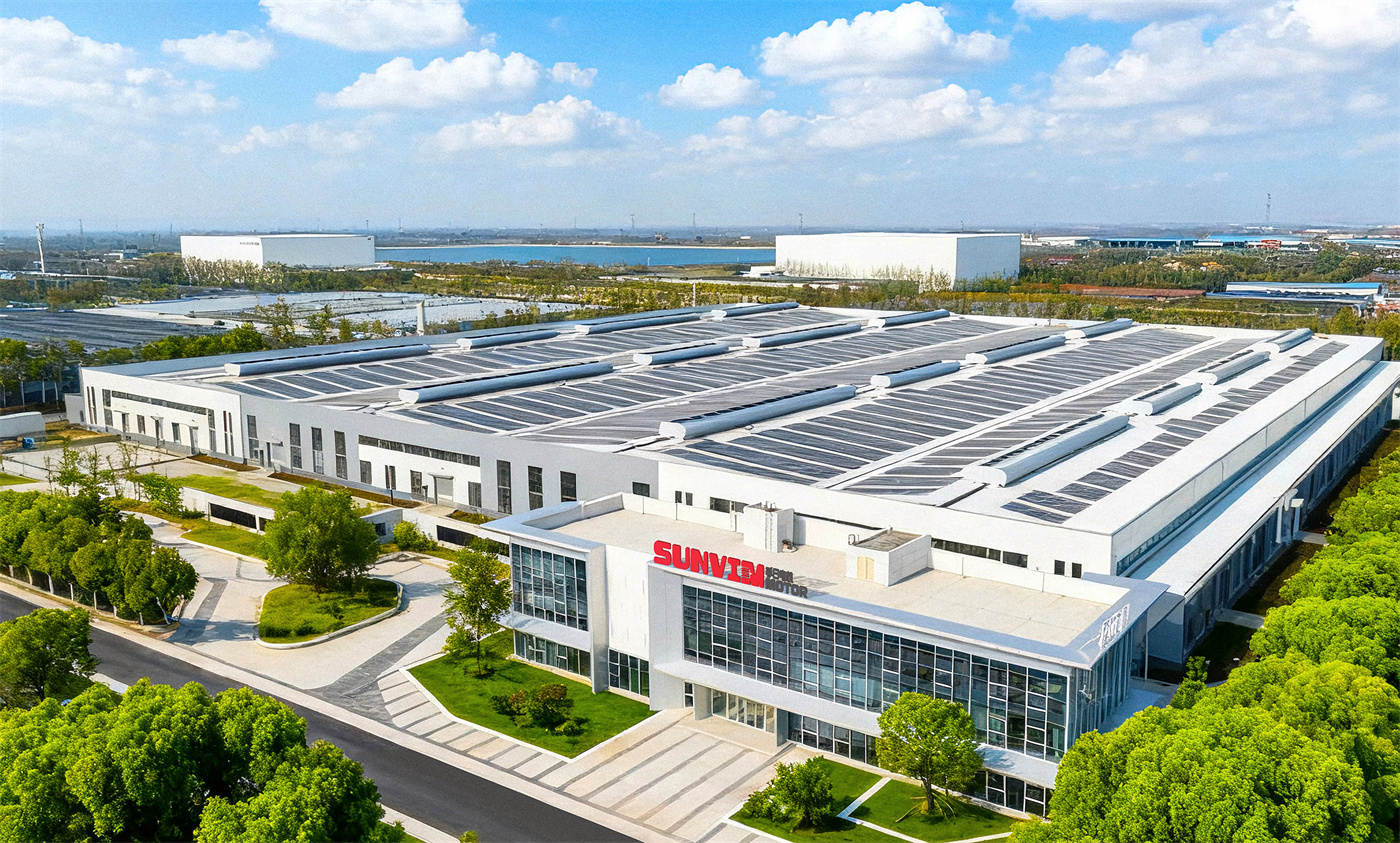
Empowering global heavy industries with high-performance rotating electric machines, state-of-the-art automated manufacturing, and uncompromising testing infrastructure.
With over 60 years of deep-rooted expertise in electric motor research and manufacturing, Shandong Sunvim Motor Co., Ltd. represents the pinnacle of industrial innovation. Following a strategic corporate transformation in 2022, we have rapidly established a high-standard, modernized production ecosystem tailored for the future of global industry.
Backed by the powerful resources of Sunvim Group—a multi-billion RMB conglomerate—Shandong Sunvim Motor Co., Ltd. benefits from strong financial stability and strategic growth. Our expansive facilities house over 400 sets of advanced manufacturing, precision testing, and automated supporting equipment, driving an impressive annual production capacity of up to 3 million kilowatts.
Uncompromising precision through state-of-the-art industrial processing and quality assurance technologies.
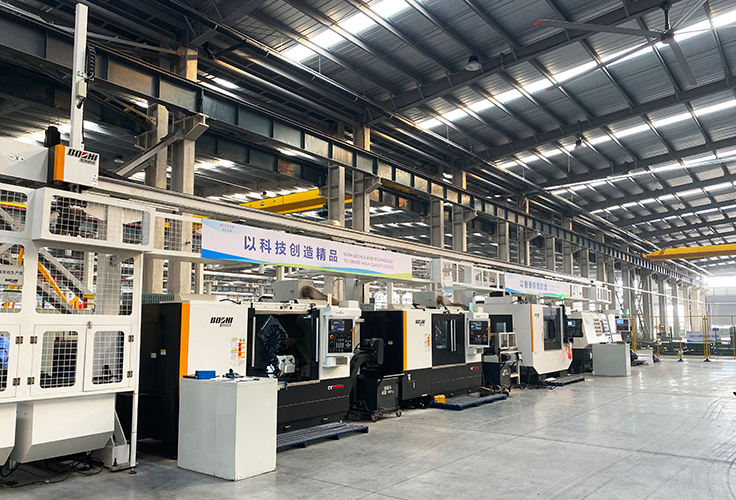
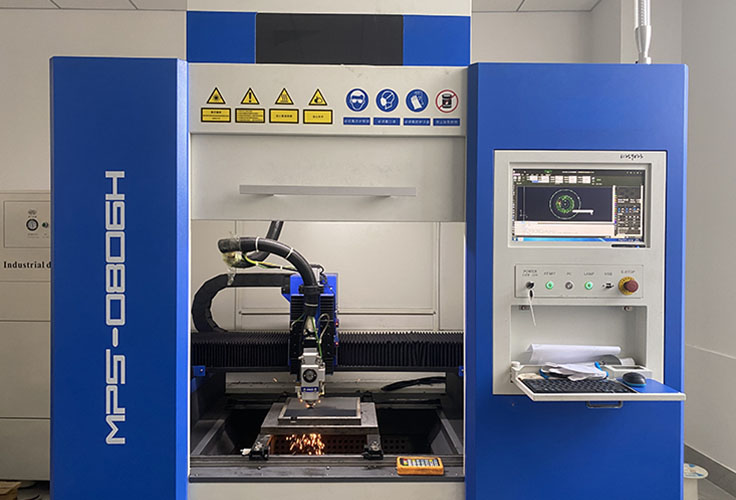
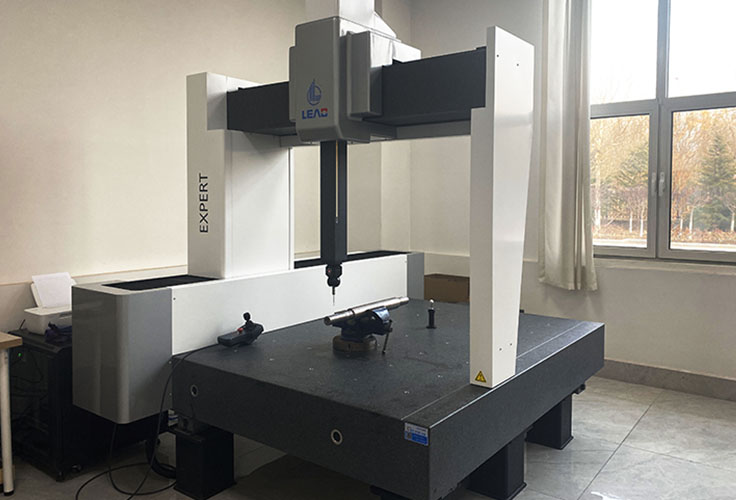
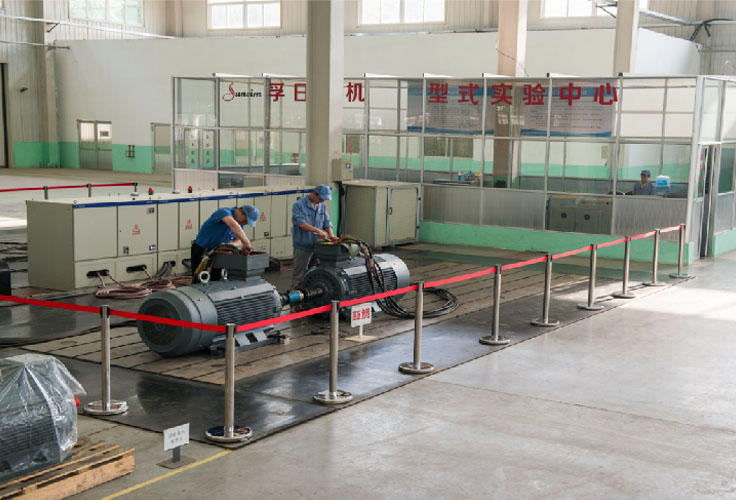
Decades of industrial evolution, continuous optimization of electrical machines, and modern facility upgrades.
Gaomi Electric Appliance Factory established. Re-engineered as Weifang Electric Machinery Factory in 1988.
Establishment of the predecessor corporate framework by Mr. Sun, laying the foundation for modern enterprise scaling.
Weifang Electric Machinery Factory acquired by Sunvim Group, forming Shandong Sunvim Electrical Machinery Co. Ltd.
Strategic transition to our state-of-the-art modern industrial park. Officially renamed Shandong Sunvim Motor Co. Ltd.
Fully compliant with international marine standards, explosion-proof directives, and strict import regulations for the ASEAN market.

ISO9001:2015
CE

UKCA
UL
SABS
CCS
ABS
DNV
Engineered to excel in demanding environments—from petrochemical refinery pumps to heavy offshore propulsion.
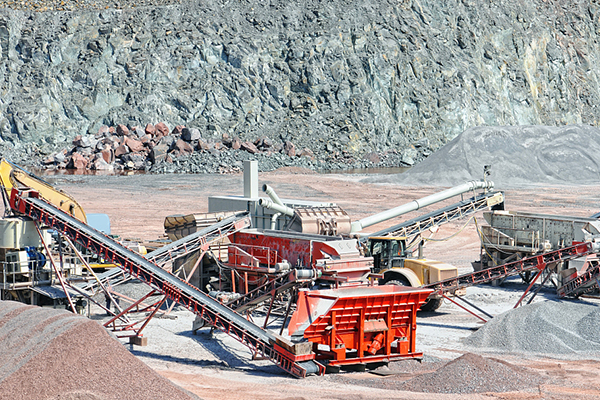
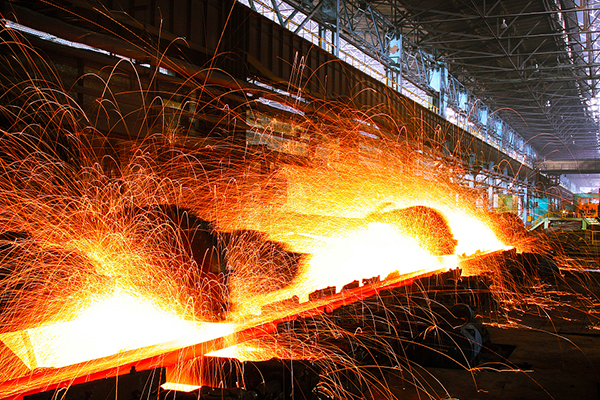
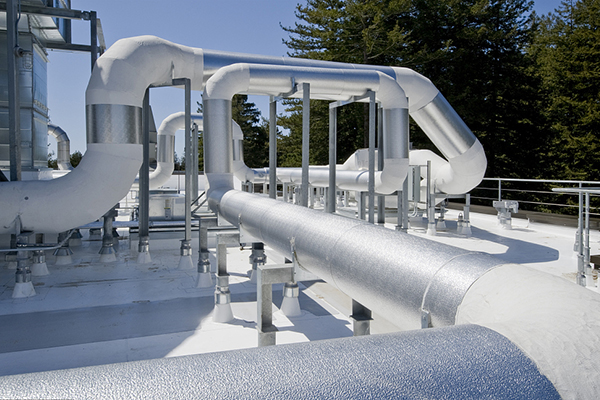
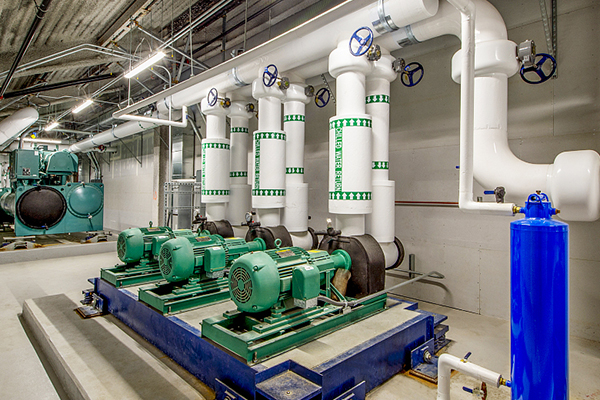
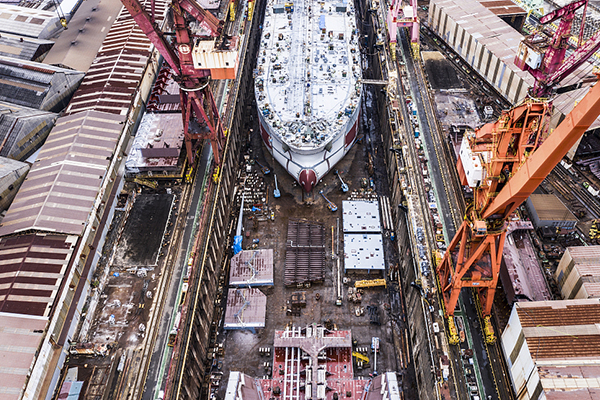
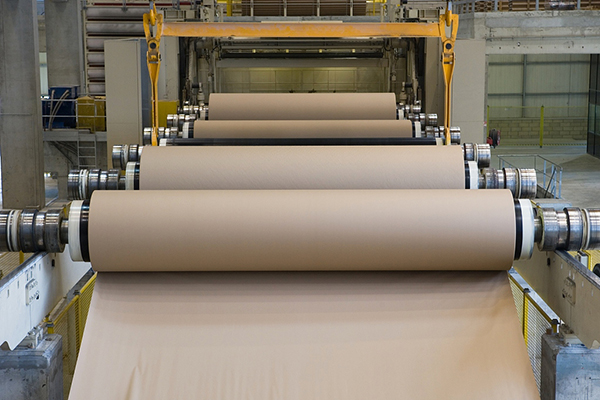
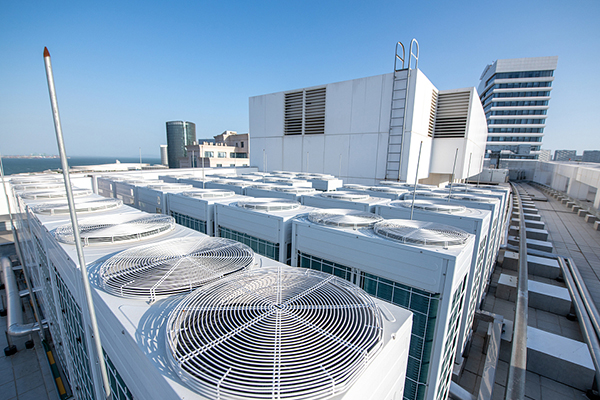

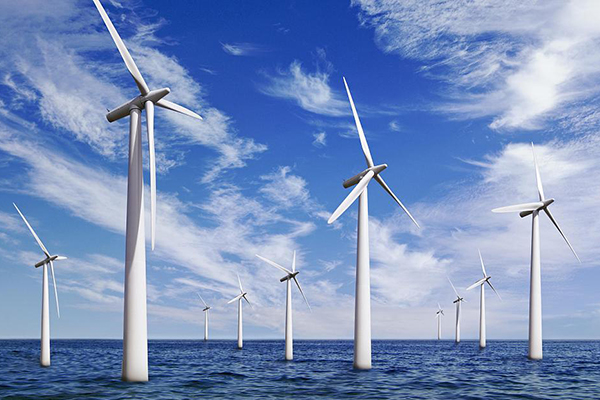
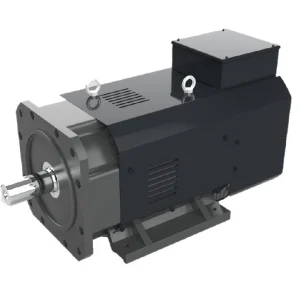
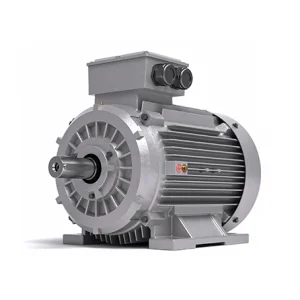
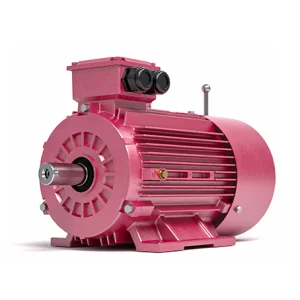
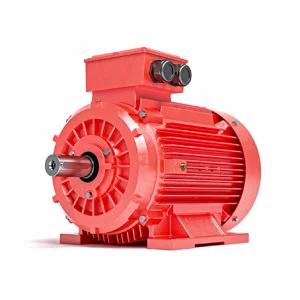
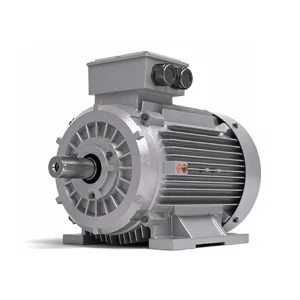
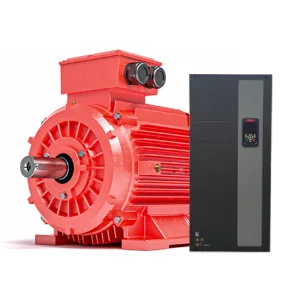
High-efficiency variable frequency solutions, modular frame configurations, and specialized brake motors for heavy Southeast Asian manufacturing hubs.
An authoritative analysis of magnetic topology, high-coercivity materials, and control systems for global B2B procurement officers.
Modern electric motor topologies are transitioning rapidly from traditional induction designs to high-density permanent magnet architectures. Unlike an induction motor, which requires stator currents to induce magnetic fields in the rotor cage—thereby creating copper losses and high operating temperatures—a PMSM features pre-excited rotors containing rare-earth magnets. This design provides immediate benefits in power density, motor efficiency, and dynamic response speed.
The choice of magnet material determines the thermal resilience and lifespan of the motor. Shandong Sunvim uses premium NdFeB grades (such as N38SH and N45UH) that feature high intrinsic coercivity. In tropical industrial environments like Bangkok, where structural enclosures can reach up to 90°C during continuous heavy operation, magnets are vulnerable to irreversible thermal demagnetization. Our motors feature customized magnet alloy compositions containing dysprosium (Dy) and terbium (Tb) elements to elevate the maximum working temperature threshold of the magnets to 150°C - 180°C, ensuring reliable operation without flux degradation.
For heavy industrial and variable high-speed applications in ventilation or compressor operations, we utilize an Interior PMSM (IPM) configuration where the magnets are securely embedded deep inside the rotor lamination stack. This configuration provides high mechanical ruggedness and enables vector drive systems to exploit reluctance torque via d-q axis inductance asymmetry ($L_q > L_d$). This "field-weakening" control technique allows the motor to operate at high shaft speeds far exceeding its base rating, perfect for air compressors and high-volume industrial fans.
Because PMSMs are driven exclusively by inverter systems (Variable Frequency Drives), they are prone to high-frequency harmonic injection, common in complex distribution grids like those in Bangkok's heavy industrial parks. This distortion can lead to thermal losses in stator windings and localized breakdown of insulation materials. Sunvim’s advanced motor topologies use slot-pole combinations that lower cogging torque and winding layouts that reduce total harmonic distortion (THD). We incorporate high-insulation resin systems and dual-insulated copper magnet wires to handle voltage rise rates ($dV/dt$) of up to 5000 V/µs without electrical tracking or breakdown.
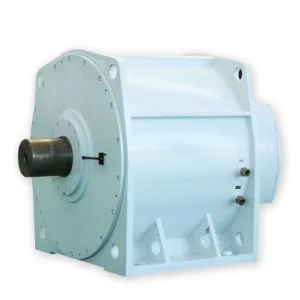
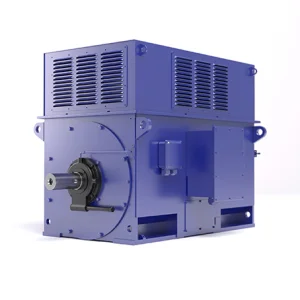
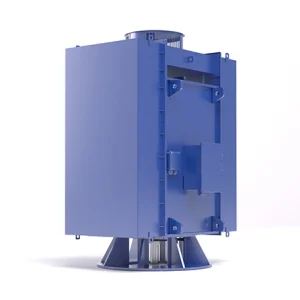
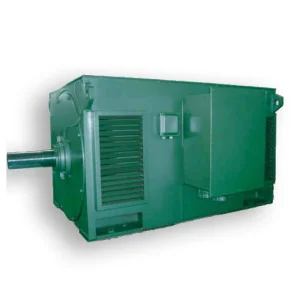
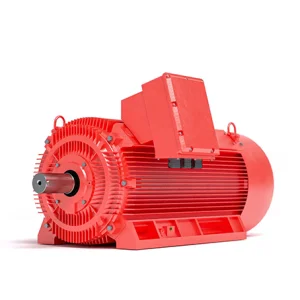
High-voltage heavy equipment and specialist synchronous systems designed to optimize energy budgets in large utility installations.
Expert technical answers regarding structural dynamics, grid compatibility, and heat management in equatorial installations.
 Sunvim Motor