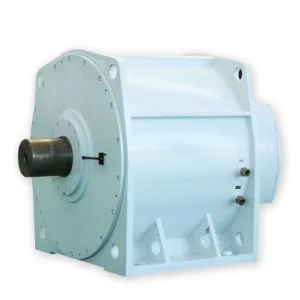
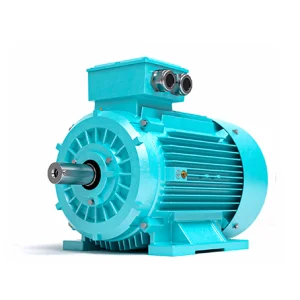
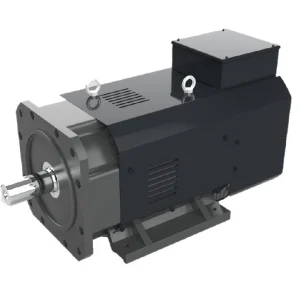
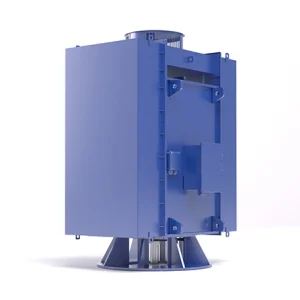
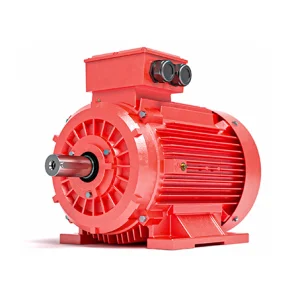
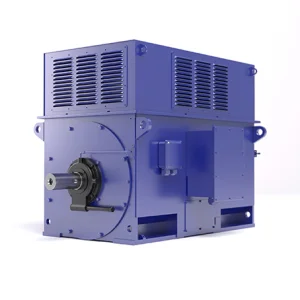
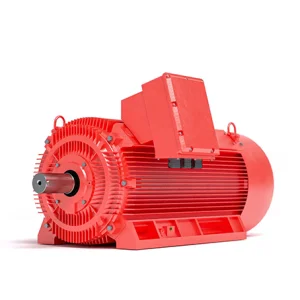
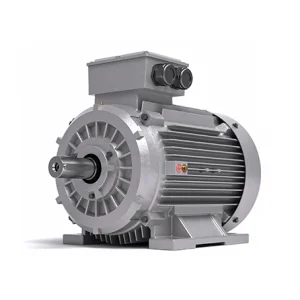
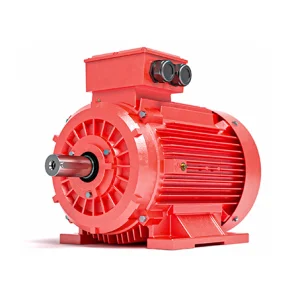
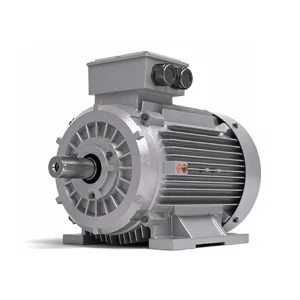
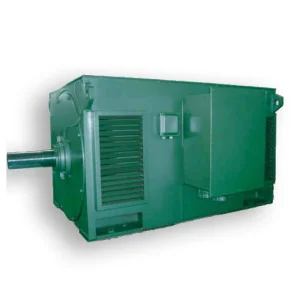
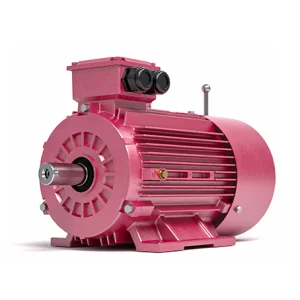
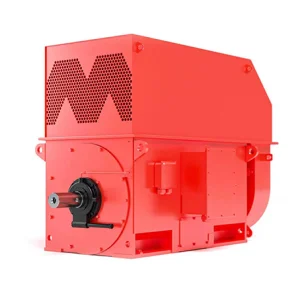
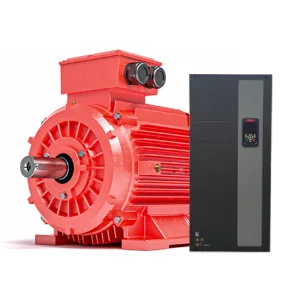
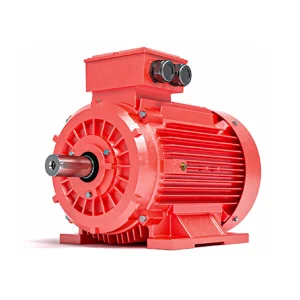
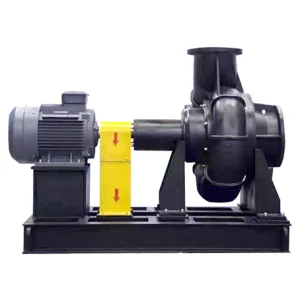
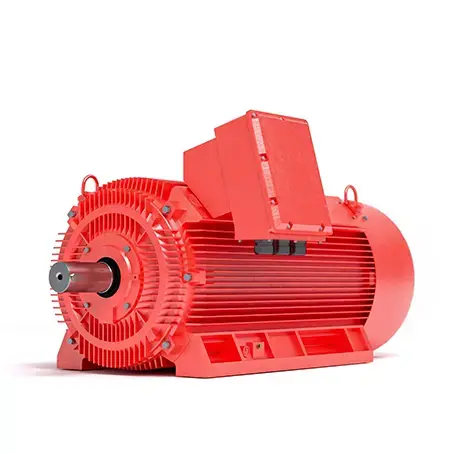
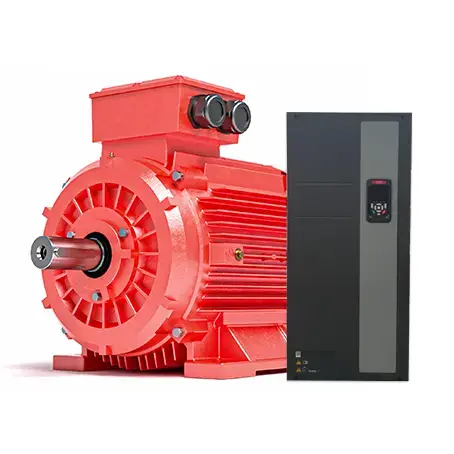
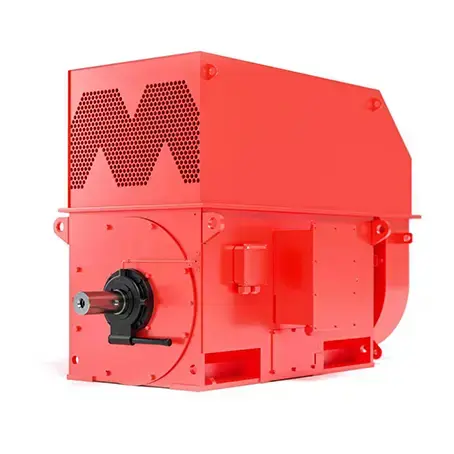
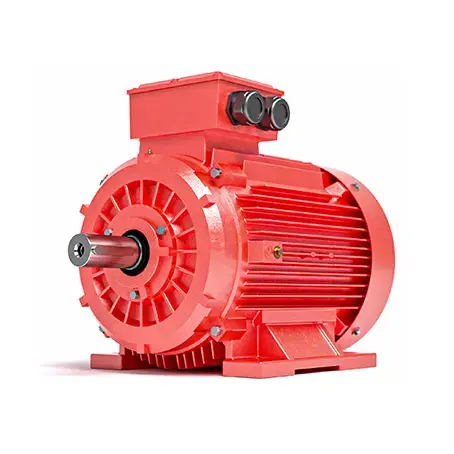
Explore our cutting-edge permanent magnet, high voltage modular, and high-efficiency induction solutions curated for complex global industrial infrastructure.
Established Year
RMB Capital
Facility Area
Annual Capacity
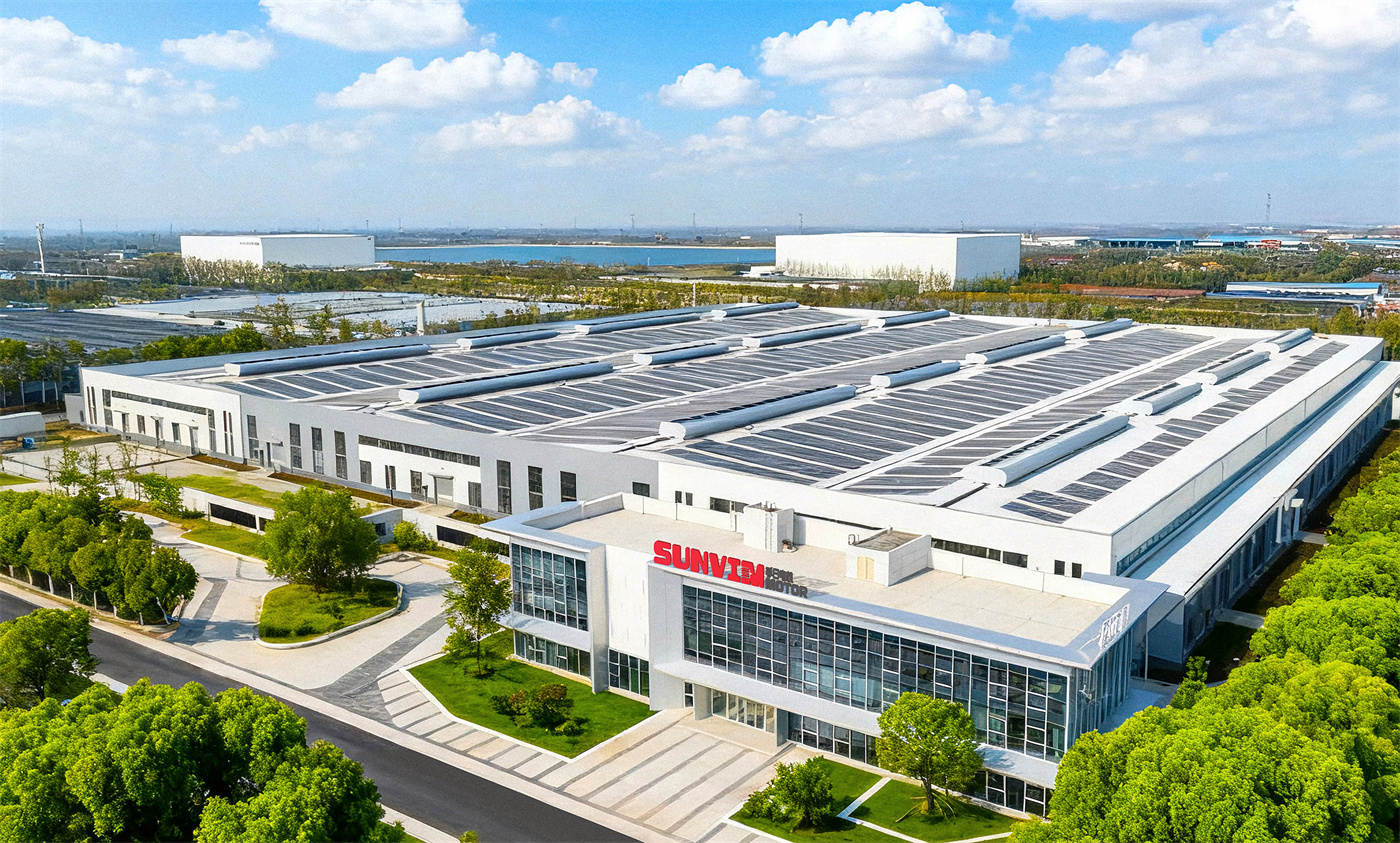
With over 60 years of deep-rooted expertise in electric motor research, structural design, and precision manufacturing, Shandong Sunvim Motor Co., Ltd. represents the pinnacle of modern industrial innovation. Following a comprehensive and strategic corporate transformation in 2022, the company has rapidly built a high-standard, digitized manufacturing ecosystem tailored to meet the dynamic needs of modern industrial operations worldwide.
As an elite subsidiary backed by the robust financial standing and resource network of Sunvim Group—a multi-billion RMB conglomerate—Shandong Sunvim Motor Co., Ltd. enjoys unparalleled financial stability and supply-chain resilience. Our manufacturing centers are equipped with over 400 sets of advanced precision machining, high-capacity fabrication, and state-of-the-art testing systems. This technical foundation enables an extraordinary annual manufacturing capacity of up to 3 million kilowatts, positioning Sunvim as a critical partner for global heavy industry and infrastructure projects.
While permanent magnet and standard induction motors are standard offerings, our industrial specialty lies in the engineering, customization, and deployment of premium slip ring induction motors, traditionally termed "Slipping Motors." Designed for heavy duty starts, these motors provide variable high torque, making them vital to heavy infrastructure, milling operations, and mining plants across the globe.
A Slipping Motor, widely referred to in advanced engineering environments as a Wound Rotor Induction Motor or Slip Ring Motor, utilizes a highly specialized construction featuring a three-phase wound rotor. The rotor windings are routed to external mechanical slip rings paired with heavy-duty carbon brushes. This electrical configuration allows for the insertion of external impedance or adjustable resistance in series with the rotor winding circuit.
The ability to modify rotor-circuit resistance delivers major operational advantages:
When specifying motors for high-inertia startup applications, engineering teams face the choice between squirrel cage induction motors and slip ring (slipping) motors. The table below details why wound rotor designs are preferred for heavy starting profiles.
| Parameters & Metrics | Slipping / Slip Ring Motor Systems | Standard Squirrel Cage Induction Motors |
|---|---|---|
| Starting Torque Capabilities | Ultra-High (up to 250% of rated torque with variable external resistance) | Low-to-Medium (typically limited to 100% to 150%) |
| Inrush Starting Current | Low (typically 1.5 to 2.5 times full-load current) | Extremely High (often 6 to 8 times full-load current) |
| Acceleration Profile | Stepped or stepless smooth acceleration under maximum loads | Abrupt acceleration curve; subject to high mechanical stress |
| System Efficiency (Thermal Management) | Startup heat is dissipated through external resistor banks | Rotor heat is completely retained within the motor housing during startup |
| Initial Investment Cost | Higher initial capital investment due to slip rings, brushes, and controllers | Lower initial cost; simple, robust construction with limited speed control options |
Modern global industries are prioritizing energy efficiency, digital integration, and carbon footprint reductions. The engineering of modern slipping motors is undergoing an evolution driven by these goals:
Procuring industrial slipping motors requires a deep understanding of total cost of ownership (TCO) variables rather than simple upfront pricing. The famous slipping motor pricelist is shaped by custom engineering choices, specialized protection ratings, and volatile raw material costs.
Enterprise procurement executives must analyze key variables that dictate the overall pricing structure for custom slip ring induction machinery:
Over a typical 20-year service lifecycle, the capital procurement cost of a slipping motor represents less than 5% of its total operational expenses. The remaining 95% is dominated by electricity consumption and routine maintenance costs. Specifying high-efficiency solutions, such as IE4 or IE5 efficiency class motors, can yield substantial operational savings, frequently delivering a full return on the initial technology upgrade cost in less than 24 months.
Delivering high-integrity engineering through ultra-precise automated machining, laser cutting, and specialized motor type testing centers.
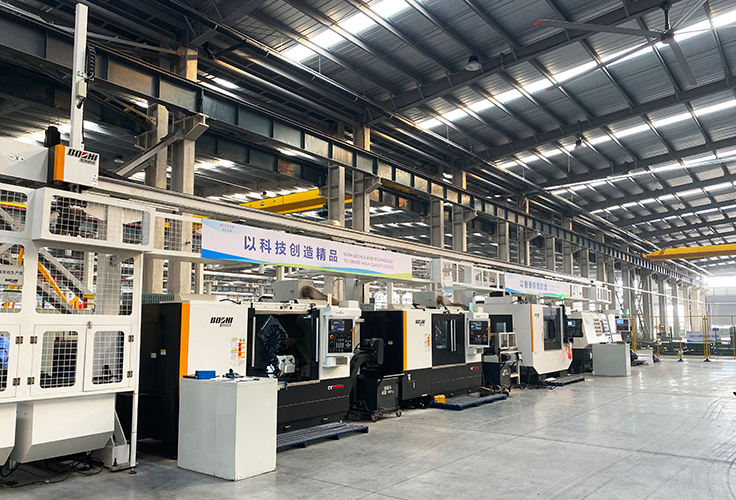
Employs robotic precision to turn, grind, and balance heavy-duty motor shafts, guaranteeing close dimensional tolerances and zero micro-structural flaws.
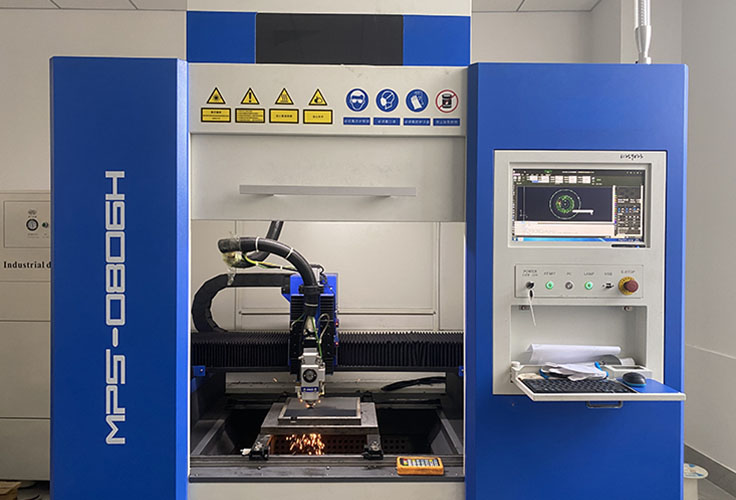
Advanced high-power industrial fiber lasers cleanly punch through silicon steel sheets, preventing edge stress and minimizing magnetic leakage.
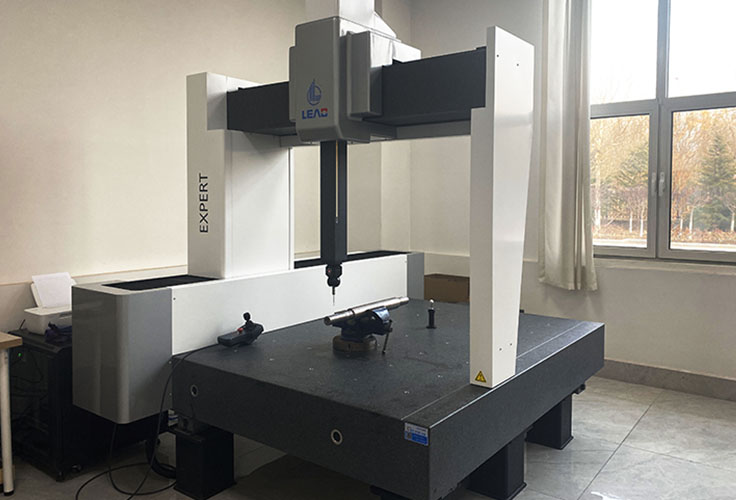
Ensures ultra-precise micrometer-level structural inspections on critical mechanical components, bearing pockets, and alignments.
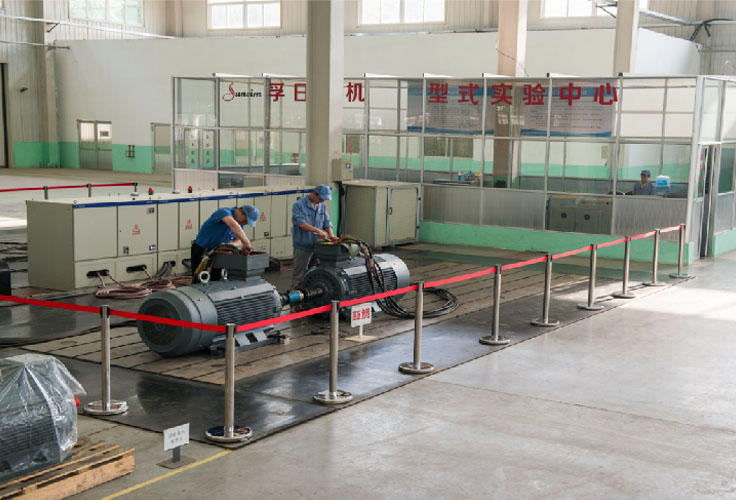
Conducts comprehensive load-profile analysis, insulation testing, thermal validation, and electrical efficiency audits under full load conditions.
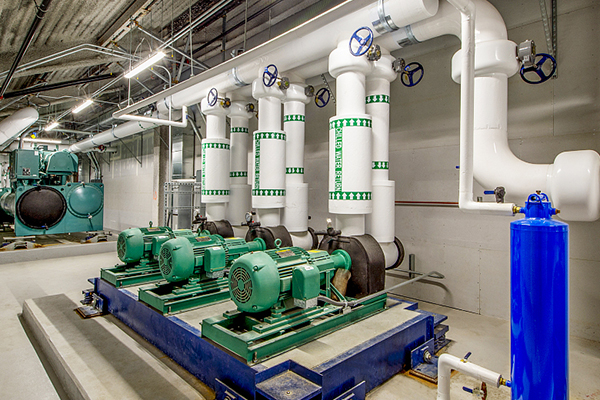
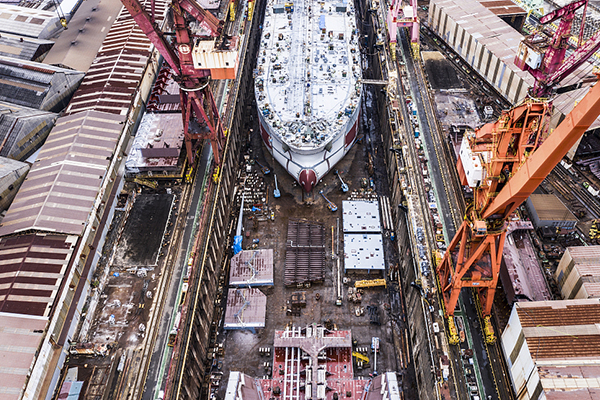
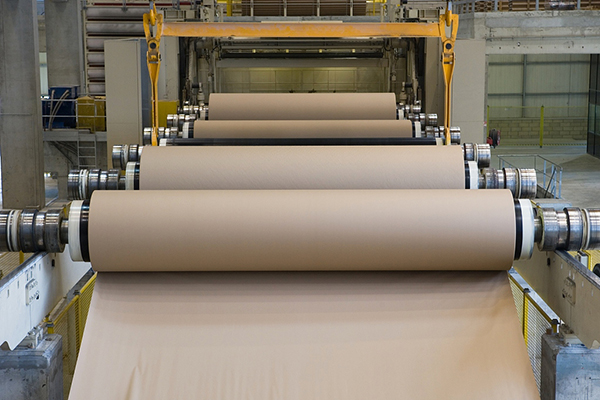
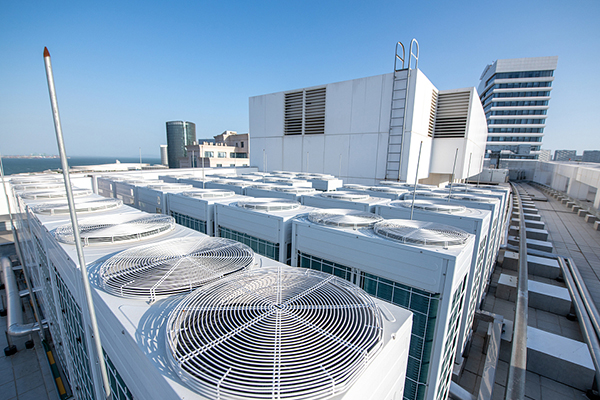
Sunvim motors deliver highly specialized performance, high starting torque, and superior durability across critical global industries.
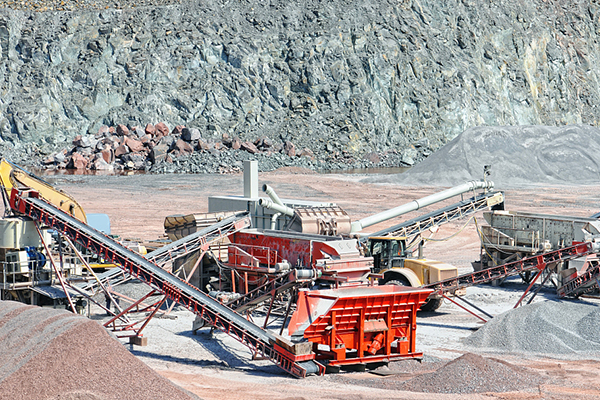
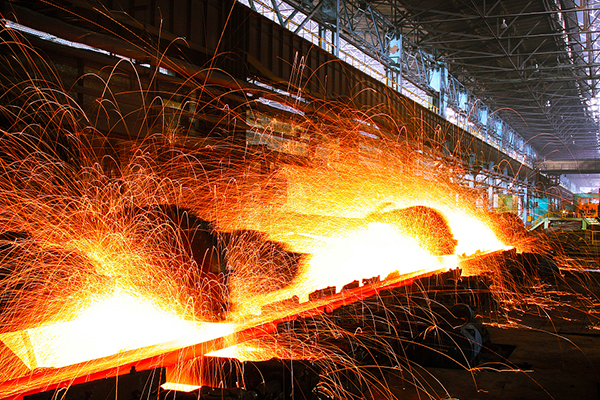
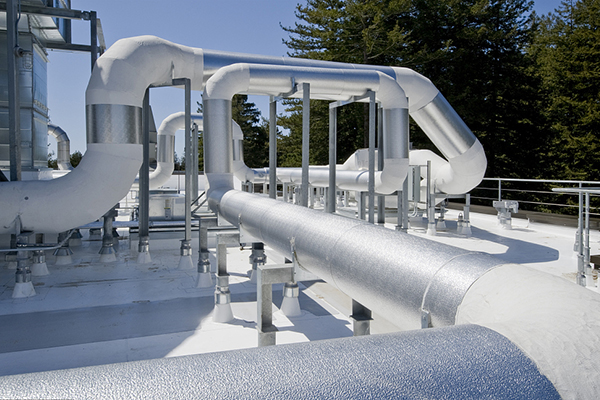


Trace the strategic progression of Sunvim Motor from its regional origins in 1963 to its status as a modernized, global engineering enterprise today.
Underpinned by rigorous quality certifications, Sunvim motors comply with international design standards to ensure safety and reliability in challenging environments.

ISO9001:2015
CE Compliance

UKCA Approved
UL Standard
SABS Approved
CCS Certification
ABS Certified
DNV Certified
As industrial systems move toward greater automation and digitalization, the requirements for large-scale rotating equipment are undergoing massive shifts. Shandong Sunvim Motor Co., Ltd. is positioned at the forefront of this industrial transition by actively designing the next wave of slipping motors, synchronous reluctance systems, and permanent magnet hybrid drives.
Historically, the primary maintenance concern for slipping motors has been the condition of the carbon brush and slip ring interface. Friction, fine carbon dust, and micro-sparking can lead to unscheduled downtime if not properly monitored. Sunvim's engineering team is leading the industry by introducing smart sensory arrays built directly into the slip ring enclosures.
These integrated IoT sensors continuously monitor critical variables:
Modern heavy-duty slipping motors are increasingly paired with advanced Variable Frequency Drives (VFDs) and Liquid Resistance Starters (LRS). Integrating slipping motors with automated liquid starters allows for controlled startup profiles, maintaining torque output at minimal current levels. Once standard running speed is achieved, highly efficient bypass contactors route the rotor circuit to maximize running efficiency.
With global emission targets tightening, energy-efficient motors are critical to industrial decarbonization. By optimizing electromagnetic design, reducing air-gap tolerances, and adopting low-loss steel laminations, Sunvim motors achieve IE4 and super-premium IE5 efficiency ratings. Operating at these high efficiency standards dramatically reduces carbon emissions and utility costs in heavy-duty applications.
Get professional answers from our engineering experts regarding slip ring motors, maintenance protocols, price metrics, and procurement guidelines.
Explore high-voltage modular induction motors, high-efficiency brake motors, synchronous reluctance systems, and industrial pump assemblies.
Browse our widely specified global designs, featuring high output parameters and specialized marine-grade construction.
 Sunvim Motor